
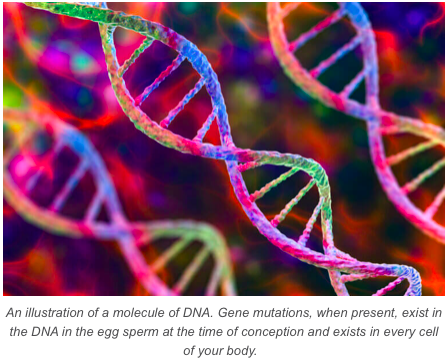
A gene mutation is a change in the genetic instructions in a cell. Genes are the DNA-encoded instructions for building proteins, which are the machinery that does the work inside our cells and our bodies. Some mutations change the function of proteins in ways that increase the risk of cancer or drive its growth.
Gene mutations are not all the same. An understanding of the difference between acquired mutations and inherited mutations can help you make better decisions about cancer care and prevention.
An acquired mutation is acquired during your lifetime.
An inherited mutation is passed down from one or both parents. (These mutations, called germline mutations, can have no effect, be detrimental to health, or be beneficial, or sometimes have both positive and negative effects)
Germline genetic testing identifies inherited mutations. Inherited mutations also tend to be silent until you see a clue, such as a pattern of cancer in your family. If you suspect that you have an inherited mutation, a genetic counselor might suggest germline genetic testing.
Inherited mutations that are associated with cancer don’t directly cause cancer, but they do increase the risk that cancer will develop at some point in a person’s lifetime.
 Lynch Syndrome Ireland