A = Assess Uncertainty
What to ask yourself
When facing uncertainty, start by asking two questions:
- Am I viewing this uncertainty as a danger or an opportunity?
- What type of uncertainty am I experiencing?
How we appraise uncertainty can influence how we feel, process information, and make decisions. If we view uncertainty as an opportunity, it can foster hope.
What this looks like in my life
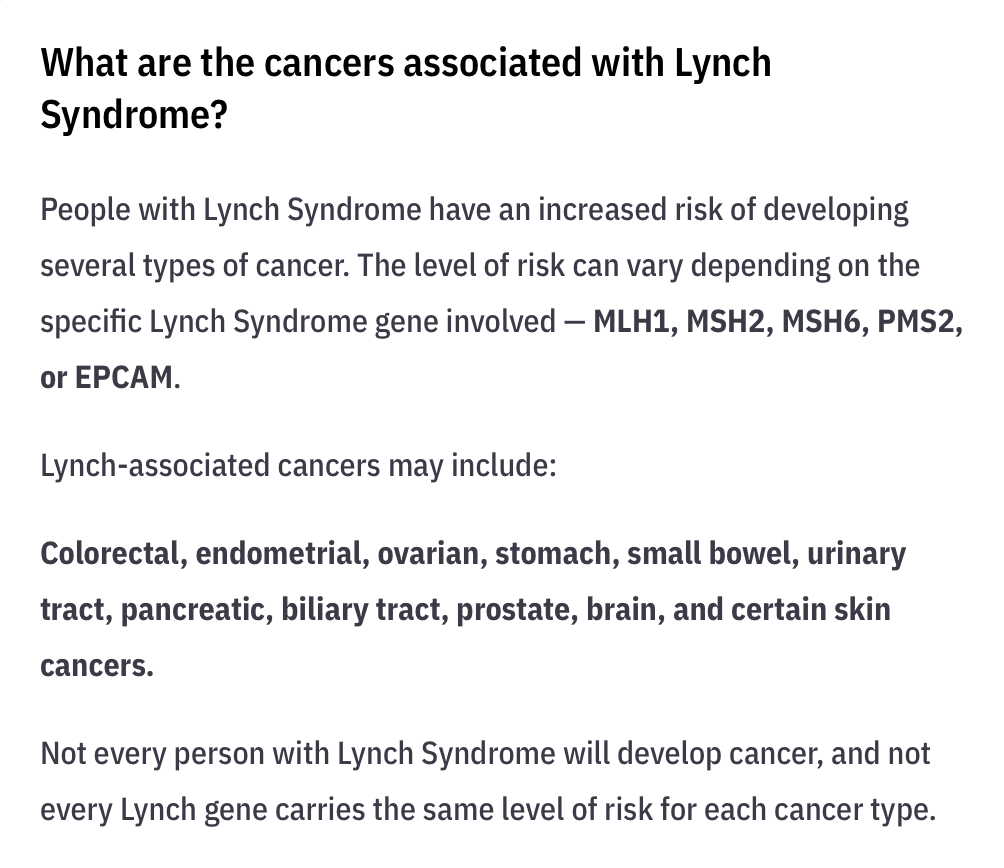
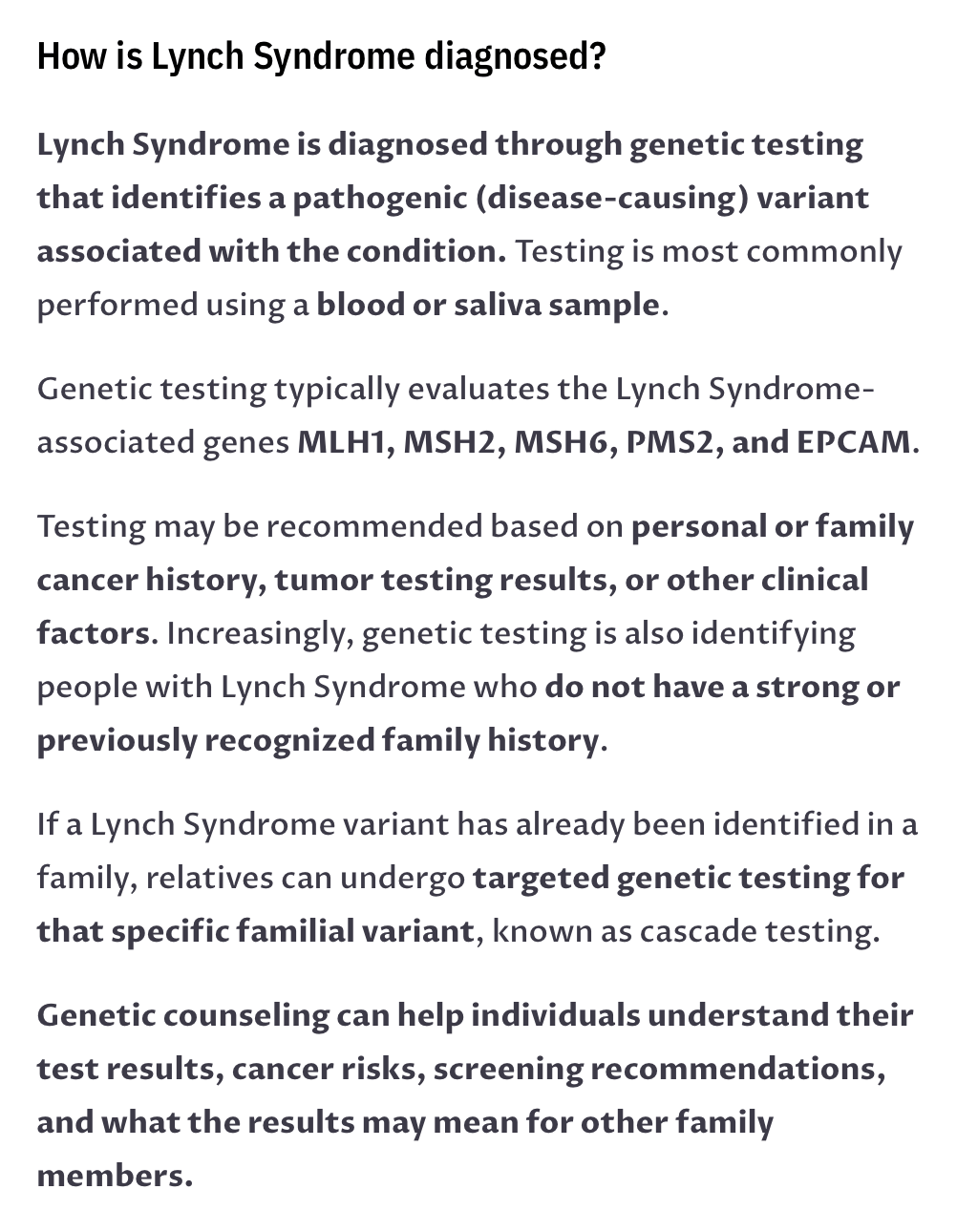
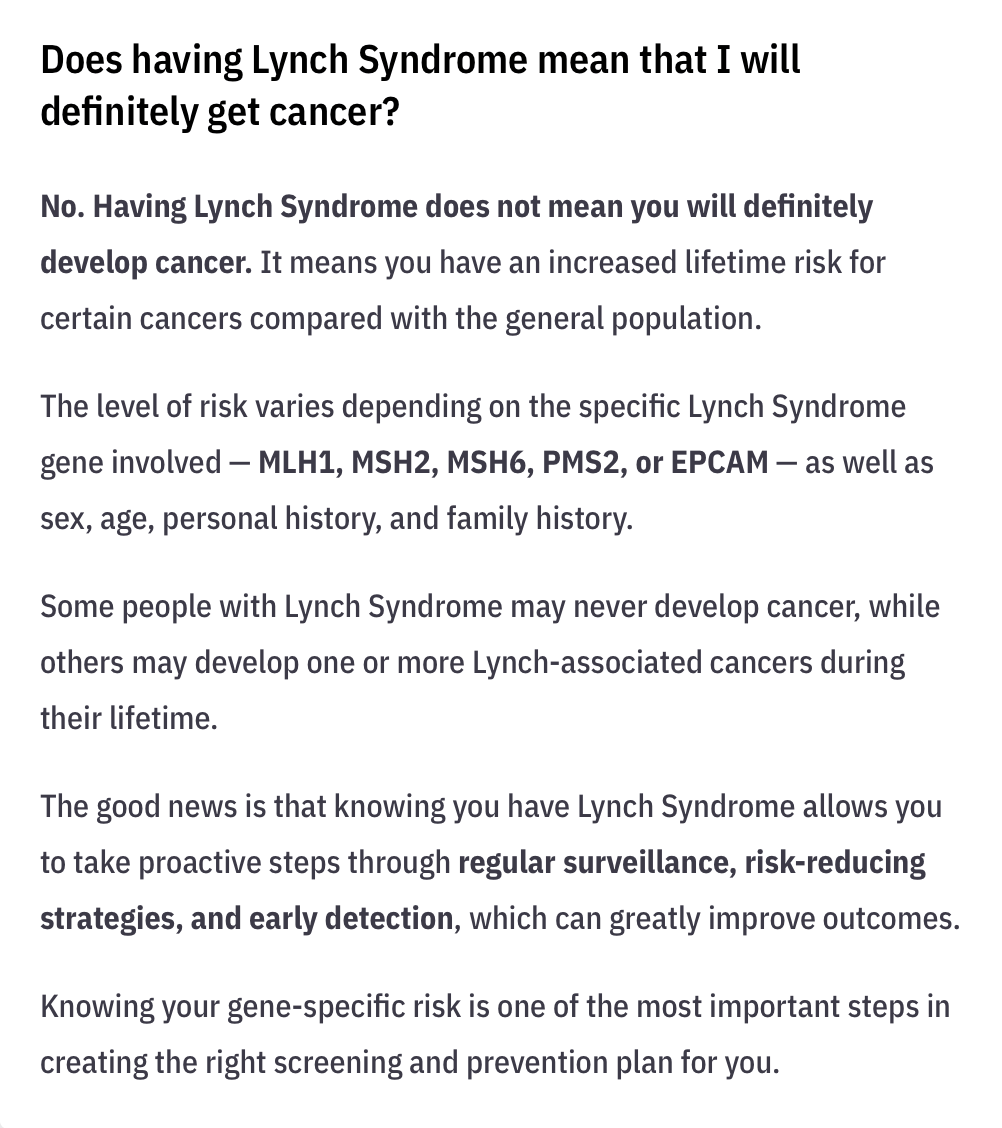
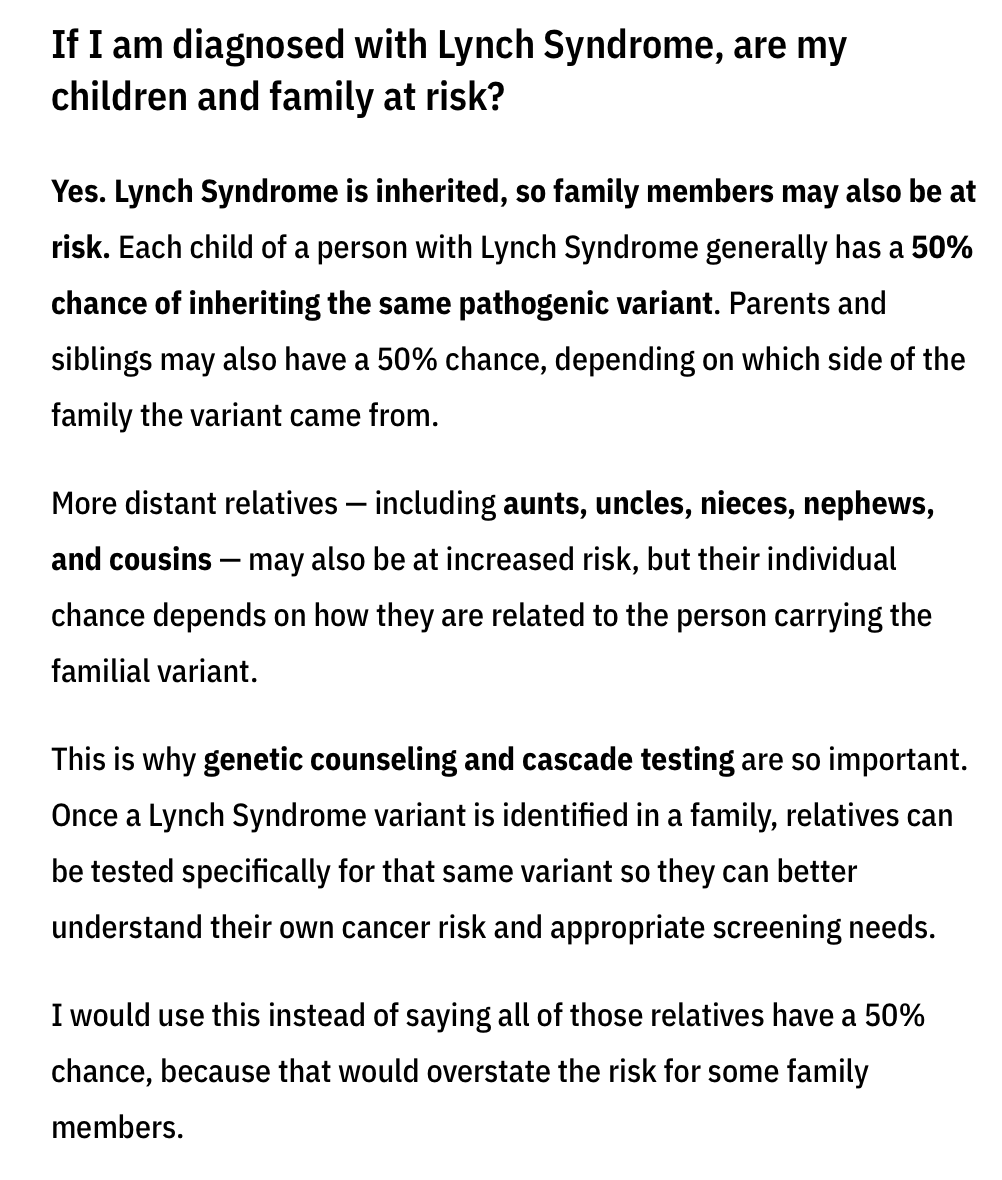
For me, living with an inherited mutation involves medical uncertainty about my future cancer risk, familial uncertainty about what my genetic results mean for relatives, and financial uncertainty related to managing my risk.
Recognizing the different types of uncertainty helps me identify the questions I need to address and the support I need.
R = Reframe and Respond
What to remember
Uncertainty doesn’t have to be feared. It can be focusing.
Research suggests that uncertainty can focus our attention and motivate us to seek information or consider our options.
What this looks like in my life
When I tested positive, I expected that knowing my genetic predisposition would be empowering. And it has been, but at the same time, I quickly learned just having more information didn’t reduce my uncertainty about if I would be diagnosed with cancer like my mother, my aunt, and my great-great grandmother.
I couldn’t control my future cancer risk. But I could learn about my options, work with healthcare professionals, and make informed decisions about managing that risk.
Strategies to try
When facing uncertainty, consider the following strategies from your toolbox:
- Seek information in a contained amount of time.
- Distinguish what is known from what is unknown.
- Connect with a trusted person.
- Find a decision partner.
There is no single strategy that works for every person or every situation, and almost every day, I use different strategies. I seek reliable information, talk with my healthcare team, and connect with others.
T = Take Action
What to do
Work through the uncertainty by taking one small step with the information available.
Taking action also means recognizing that decisions may need to be revisited as circumstances and information change.
What this looks like in my life
For me, that includes following recommended cancer surveillance and making informed decisions with my healthcare team. Surveillance helps me act on what is known about my risk, even though it cannot tell me everything about my future.
When navigating uncertainty, I often return to my mother’s advice:
“You make the best decision you can with the information you have at that time.”
How wise.
While we can’t make decisions with information we don’t have, we can make thoughtful decisions with what we know now, learn from those decisions, and adjust when needed.
So, next time you feel unsure, make ART:
Assess uncertainty.
Reframe and Respond.
Take action.
We don’t have to wait for certainty to move forward. We can embrace uncertainty now.