
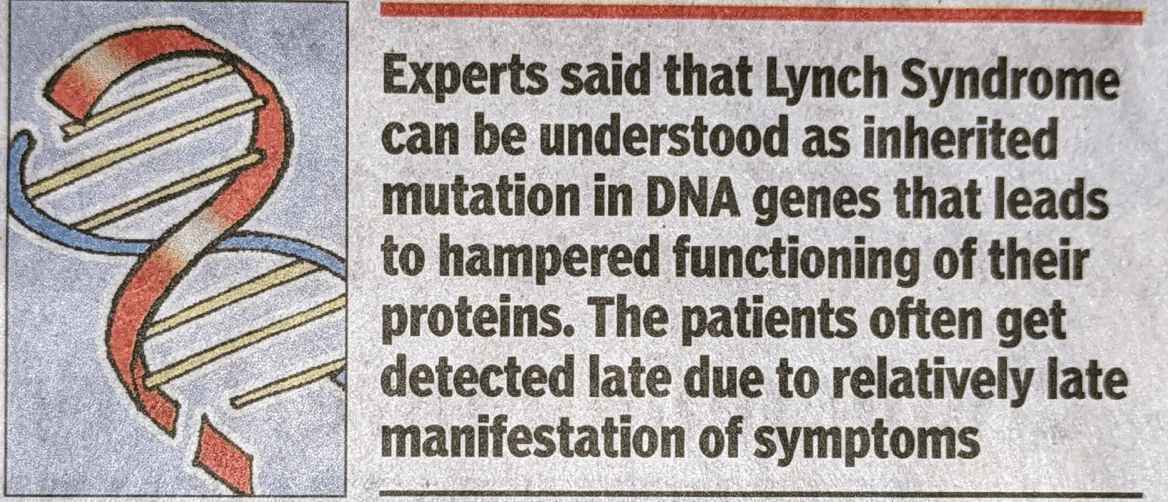
Identifying Lynch syndrome patients early on can be beneficial since there are several cancer screening and prevention strategies which can be used to reduce risk of developing cancer by half.
Considering the significant burden of this disease and opportunities to prevent cancers in these patients, the team at FRIGE lead by Dr. Harsh Sheth attracted funding to systematically study the prevalence of Lynch syndrome in cancers of oesophagous, stomach, liver, pancreas, small intestine and endometrium.
At this moment, we know very little about pan-cancer prevalence of Lynch syndrome and age-specific risk of cancers in the Indian population. It is astounding that Lynch syndrome can affect risk of cancers of oesophagous, stomach, liver, pancreas, small intestine and endometrium- which collectively is found in approximately 1 in every 8 patients seen in cancer clinics across India. Furthermore, it is remarkable considering that according to the WHO, nearly 1 in 300 people are estimated be Lynch syndrome carriers.
The study through its unique design will also collect data on patient’s lifestyle, diet and exercise, and will subsequently follow the patients for three years to see which factors contribute to the risk of cancer.
This would provide a tremendous opportunity to clinicians and genetic counsellors to offer personalised cancer surveillance and cancer risk reducing interventions to Lynch syndrome carriers of Indian origin.
The investigators through this study will provide the most comprehensive insight into the epidemiology and risk factors that contribute to cancer development in Lynch syndrome patients from India.
https://geneticcentre.org/news/frige-scientists-initiate-study-on-hereditary-cancer
 Lynch Syndrome Ireland