
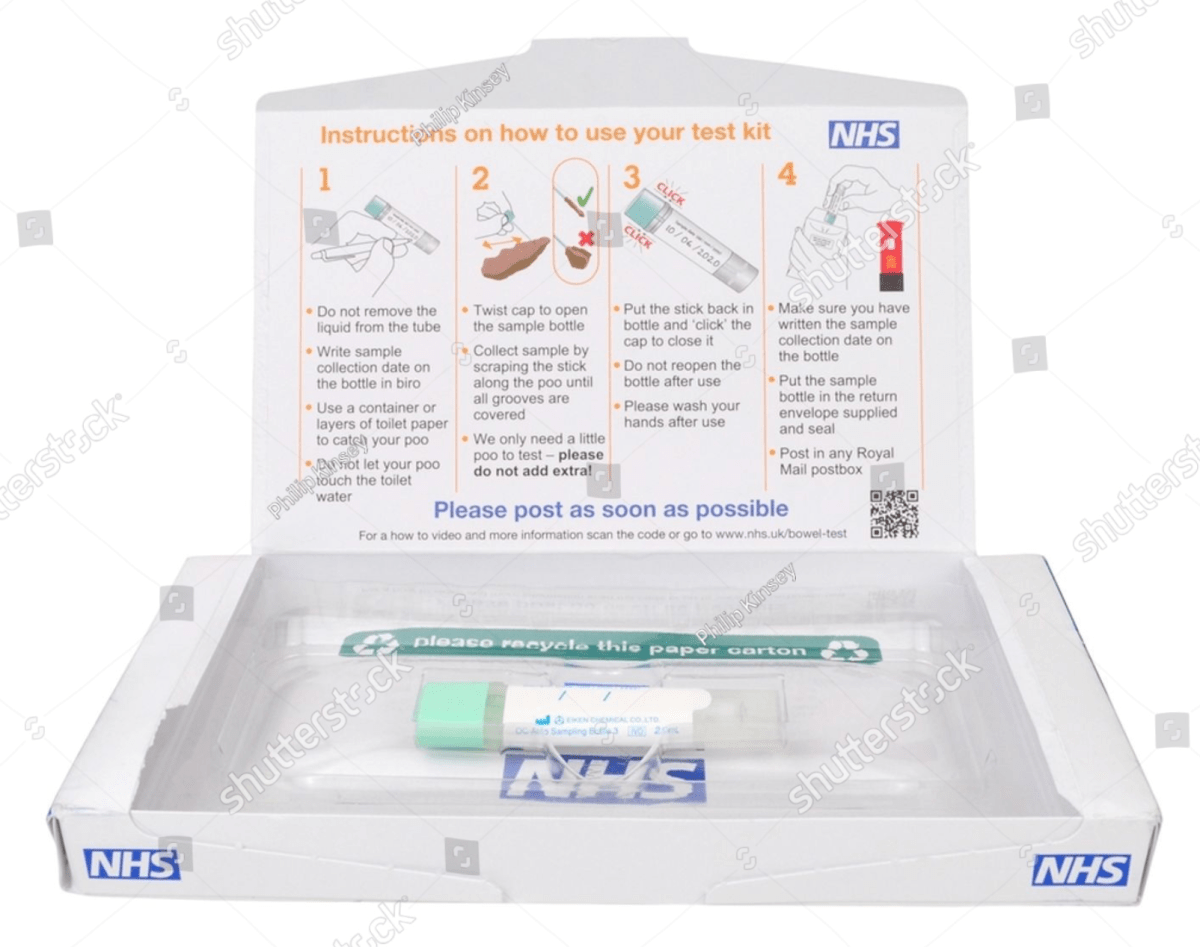
There is increasing interest in the use of less-invasive approaches to investigation of at-risk populations, driven in part by the COVID19 pandemic as resources have been increasingly constrained, alongside expanding evidence of clinical effectiveness.
Fecal hemaglobin immunochemical testing(FIT) has been validated in screening and symptomatic populations, is cost-effective, and acceptable to patients.
As a quantitative assay, lower fHb concentration thresholds increase CRC sensitivity albeit with decreased specificity, however FIT has a lower sensitivity for advanced adenomas of around 40-60%2. Therefore a ‘FIT only’ strategy may theoretically result in fewer prevented CRCs, notwithstanding a limited understanding of the natural history of familial CRC. However the estimated reduction in risk by removal of precursor advanced adenomas at colonoscopy provides an opportunity for a less-invasive combined strategy using FIT.
In conclusion the authors have developed a compelling rationale for a combined FIT:colonoscopy strategy where previous data has indicated that FIT alone would not be sufficient. Although their study did not identify differences according to levels of CRC risk, further refinement of risk estimates and investigative strategies may facilitate risk-stratified mixed-modality surveillance strategies.
https://www.gastrojournal.org/article/S0016-5085(24)05458-1/pdf
 Lynch Syndrome Ireland