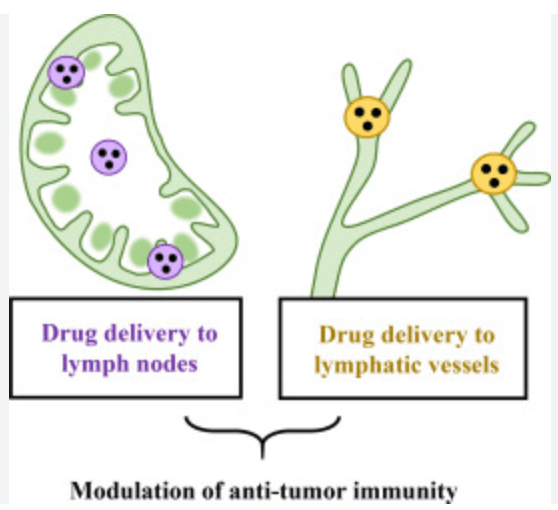
Immunotherapy given before surgery has changed the way many patients with a specific type of bowel cancer (called dMMR colorectal cancer) are treated. Studies show that these medicines can completely destroy cancer in the bowel and nearby lymph nodes in many patients. This suggests that lymph nodes are not just places where cancer spreads, but also play an important role in helping the immune system recognise and attack cancer cells.
However, standard scans are not very good at showing how well immunotherapy has worked. Lymph nodes can remain enlarged because of inflammation caused by the immune response, even when all the cancer has been eliminated. This means scans may suggest cancer is still present when it is not. To make the best treatment decisions, doctors need to combine scan results with other information, such as endoscopy, tissue analysis, and newer tests like blood-based tumour DNA (ctDNA).
These limitations are important because inaccurate scan results could lead to unnecessary surgery or more intensive treatment than a patient actually needs. Researchers are developing better ways to assess treatment response, including advanced imaging and blood tests, to distinguish active cancer from immune-related changes.
For now, surgery with removal of nearby lymph nodes remains the standard treatment for patients with operable dMMR colon cancer. In rectal cancer, avoiding surgery may be possible for some patients who have a complete response to immunotherapy, but only after careful assessment in experienced centres. Whether surgery or lymph node removal can be safely reduced in more patients remains an important question for future research. As more evidence becomes available, a better understanding of how the immune system interacts with lymph nodes may allow treatment to become less invasive while maintaining excellent cancer outcomes.
Nodal Staging and Response Assessment in Locally Advanced Mismatch Repair–Deficient Colon and Rectal Cancer in the Era of Neoadjuvant Immune Checkpoint Inhibitors