
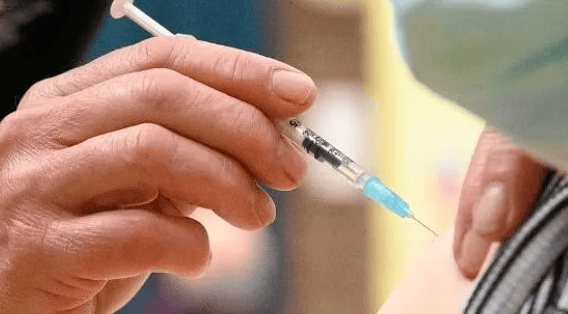
There is encouraging progress in research into vaccines that could help prevent cancer in people with Lynch syndrome. The Oxford LynchVax team has published the latest issue of its newsletter (Issue 7, November 2026), and there is plenty of encouraging news for the Lynch syndrome community.
1. INTERCEPT-Lynch vaccine trial – Part 1 is full
- More than 100 people volunteered for the first stage of the Oxford trial, and all available places have now been filled.
- The trial is testing an mRNA vaccine called mRNA-4194 to see whether it is safe, how the immune system responds and what dose is best.
- Part 2 is expected to start in spring 2027, recruiting another 80–120 people across several UK research centres.
- Details of participating hospitals will be announced when confirmed.
2. Another Lynch syndrome vaccine moves closer to major testing
- A company called Nouscom has secured €120 million to develop its vaccine, NOUS-209.
- The vaccine aims to train the immune system to recognise and destroy abnormal cells associated with Lynch syndrome.
- Early results are encouraging, with no advanced polyps or bowel cancers reported among the small groups assessed so far.
- A much larger international Phase 3 trial is now planned, potentially involving thousands of people over several years.
3. Positive results from a personalised cancer vaccine
- Moderna and MSD have reported promising results from a personalised mRNA vaccine called intismeran, tested in people with melanoma (skin cancer).
- The vaccine is designed specifically for each patient and aims to prevent cancer returning after treatment.
- When combined with immunotherapy, it reduced the risk of cancer returning by 42%.
- This demonstrates the growing potential of mRNA vaccines in cancer treatment, although it is not a vaccine designed for Lynch syndrome.
4. Not all vaccine research is successful
- BioNTech has stopped a trial of its personalised bowel cancer vaccine after results suggested it was unlikely to benefit the patients involved.
- Although disappointing, these findings help researchers understand what works and what doesn’t, allowing future research to improve.
What does this mean for people with Lynch syndrome?
The overall picture is encouraging. Research into cancer prevention vaccines is progressing, with two different vaccines specifically targeting Lynch syndrome moving through clinical development.
However, none of these vaccines is currently available for general use, and it will probably be several years before we know whether they can reliably prevent cancer.
In the meantime, people with Lynch syndrome should continue attending regular screening appointments and follow the advice of their genetics teams.
How to keep informed
Anyone interested in the next stage of the INTERCEPT-Lynch trial can join the Oxford LynchVax mailing list by emailing:
Sara Danielli: sara.danielli@medsci.ox.ac.uk
Part 2 is expected to recruit a further 80–120 volunteers from spring 2027.
The key message: There is genuine hope on the horizon for people living with Lynch syndrome. Scientists are making progress towards vaccines that could one day help prevent Lynch-associated cancers, potentially changing how the condition is managed. Although we are not there yet, these developments represent an important step forward.

