GeNotes has been created collaboratively with experts across the NHS to provide practical information and support for fellow clinicians who need to access genomic testing for their patients. Find out more here:
Author: Lynch Syndrome Ireland
Who should I tell if I have Lynch syndrome?
It is important to tell your parents, brothers and sisters and relatives about your diagnosis, as they have a 1 in 2 chance of having Lynch syndrome. Knowing if you or a family member has Lynch syndrome can help them to take steps to reduce their risk of developing cancer.
If you have children, they also have a 1 in 2 chance of developing Lynch syndrome. You will need to talk to them as well. Deciding how and when to have this conversation can be difficult. Talk to your children using language they understand and, in an age, appropriate way. Children are often more aware of adult worries than we expect. Being open with them can make them feel included and ease their worries.
In general, healthcare providers will not offer genetic testing to people who are under 18, unless there is a concern about childhood cancer.
If you don’t have children but you are considering starting a family and have concerns about the risk of Lynch syndrome, it is important to discuss different options with your healthcare provider and genetic counsellor. They will help you make an informed decision.
How does Lynch syndrome affect my family?
Genes are inherited in pairs. You inherit one from your mother and one from your father. If someone has Lynch syndrome, one copy of a mismatch repair (MMR) gene is altered and is not working properly. A mismatch gene is a gene involved in making repairs to errors in DNA. If a parent has Lynch syndrome, they can pass the affected gene on to their children. This means that each of their children have a 1 in 2 chance of also having Lynch syndrome.
Knowing this information means you can take steps to reduce your risk of developing cancer. Ask your healthcare provider about where you can get support to talk to your family.
If I have Lynch syndrome, will I get cancer?
Not everyone with Lynch syndrome will develop cancer, but you have an increased risk compared to the general population. People with Lynch syndrome have an increased risk of developing some types of cancer, such as:
• bowel (colorectal)
• endometrial or uterine
• ovarian cancer.
Lynch syndrome causes 1 in every 35 cases of bowel cancer, 1 in every 50 cases of endometrial cancer.
Your risk of developing cancer depends on which gene is affected, your age and being male or female.
Check out http://www.plsd.eu
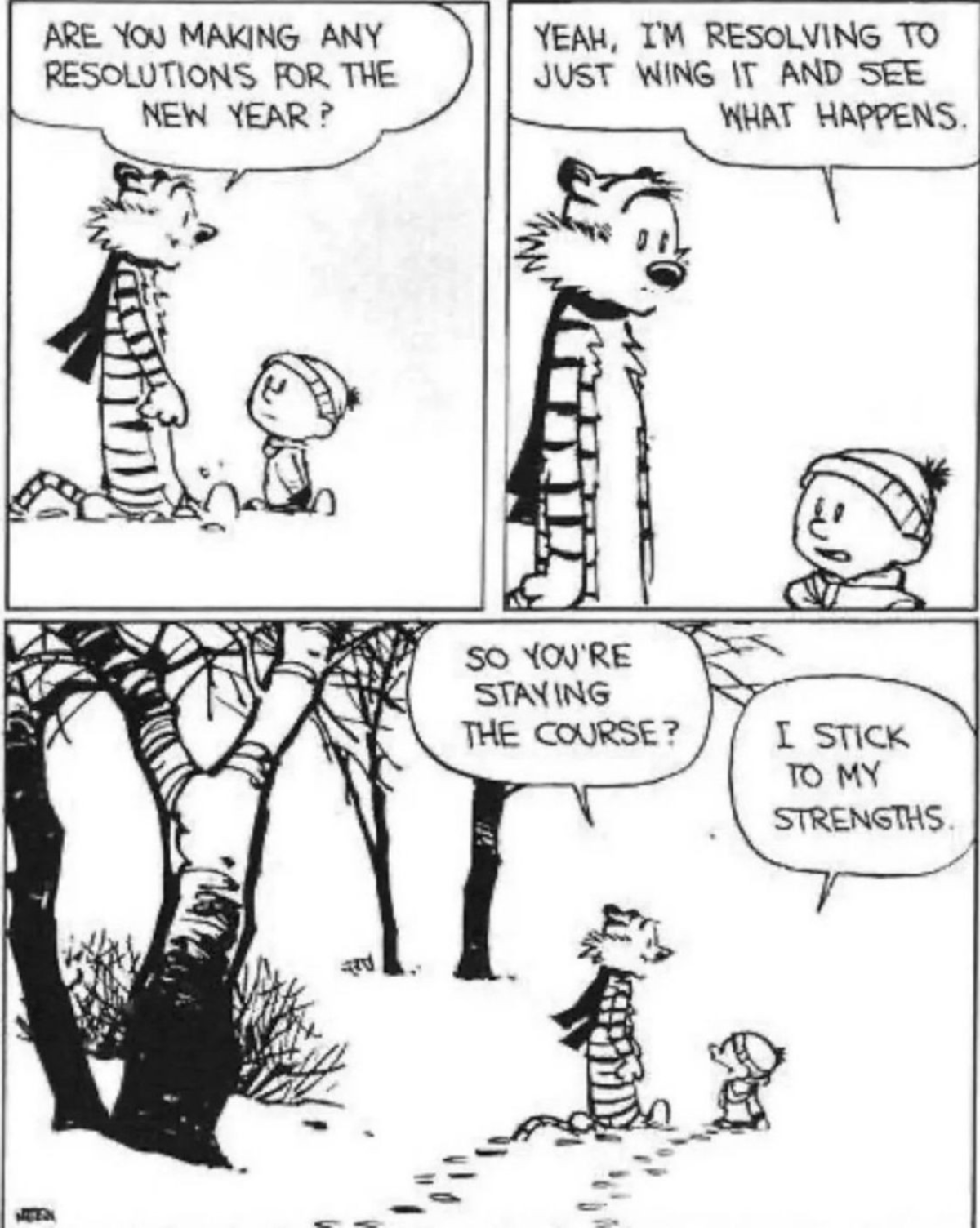
“I stick to my strengths”
2025
Achievement
Health literacy – clearer cancer communication for better Health
Health literacy is the ability to get, understand and use healthcare information.
The Irish Cancer Society want to empower people with confidence and skills to cope better with their cancer and avoid unnecessary physical and emotional difficulties.
Clear, efficient communication is vital to help patients to understand and make decisions about their treatment and to manage side-effects. Using established health-literacy friendly techniques can make interactions more effective, saving time and avoiding unnecessary follow-up and service use.
Hospital services in Ireland
There are 3 different types of hospitals in Ireland:
- Public hospitals run by the State through the Health Service Executive
- Voluntary public hospitals, are mainly state-funded but are sometimes owned by private bodies. For example, religious orders. Other voluntary public hospitals are run by boards often appointed by the Minister for Health
- Private hospitals receive no state funding
You’re Young, But It Might Be Cancer
At Digestive Cancers Europe(DiCE), they firmly believe that supporting early detection is essential for better outcomes and improving the quality of life for every patient.
By reading “You’re Young, But It Might Be Cancer,” you will gain valuable insights and perspectives from these brave survivors and contribute to DiCE’s efforts in raising awareness and empowering patients and their families.
https://digestivecancers.eu/youre-young-but-it-might-be-cancer/