Ovarian Cancer

What increases my risk of ovarian cancer?

Include: Family history of cancer:

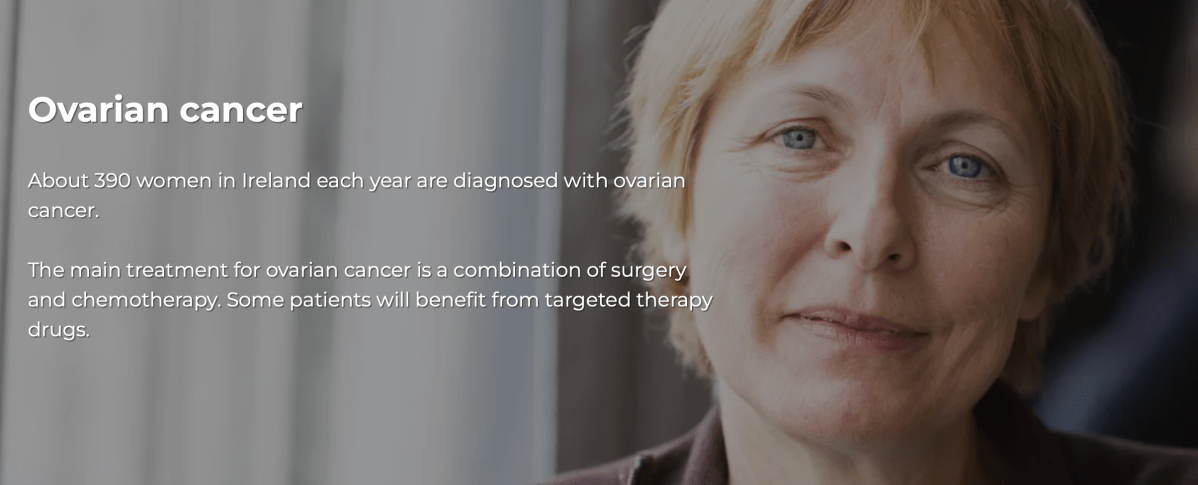
If you have two or more close relatives (mother, sister or daughter) who have had ovarian cancer or breast cancer, you may be at a higher risk of the disease. Having relatives with ovarian cancer does not necessarily mean that you have a faulty inherited gene in the family. Faulty genes can lead to ovarian cancer in a very small number of women – about 5-10%. These include the genes BRCA1 and BRCA2.  BRCA1 and BRCA2 are also linked to the development of breast cancer. There is also a risk of ovarian cancer if your family have the genetic mutation known as Lynch Syndrome

https://www.cancer.ie/cancer-information-and-support/cancer-types/ovarian-cancer#support

Symptoms of bowel cancer

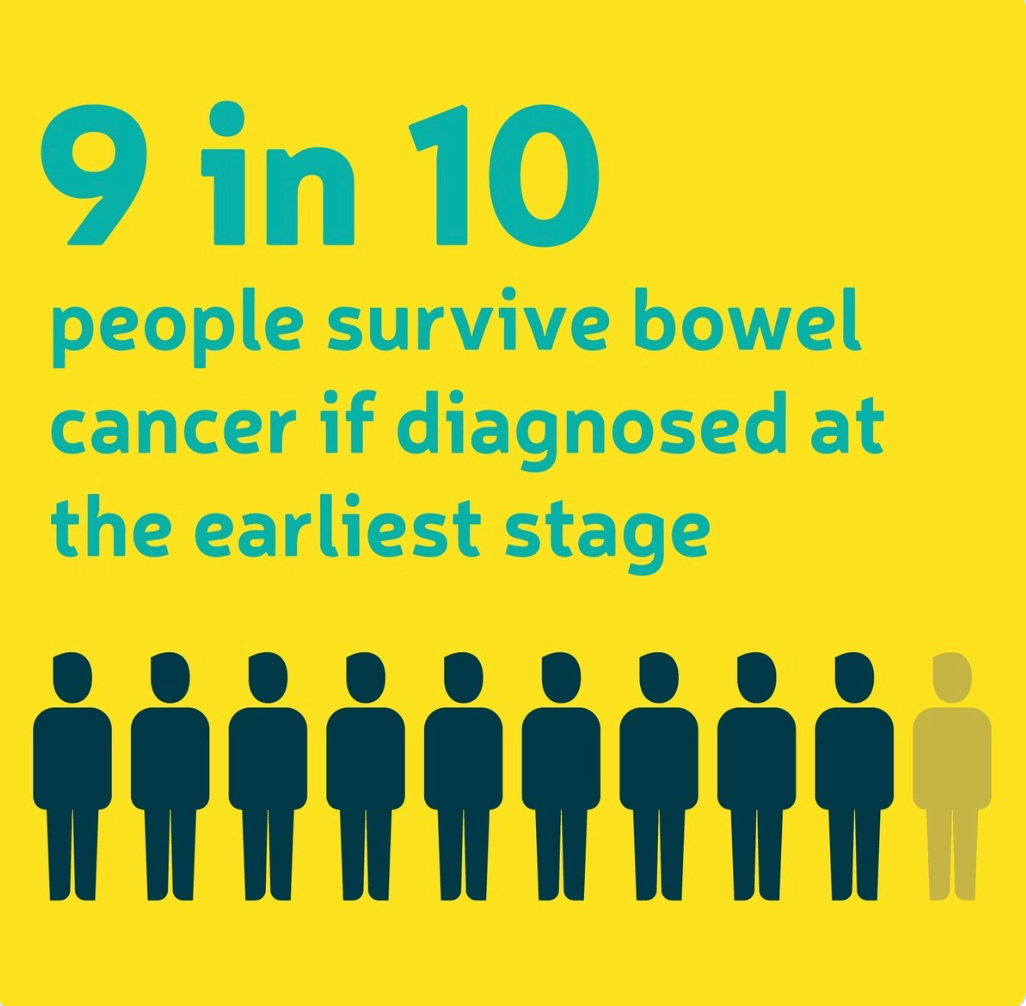
Knowing the symptoms is important to help spot bowel cancer early. The earlier that it’s found, the more treatable it’s likely to be.

https://www.bowelcanceruk.org.uk/about-bowel-cancer/symptoms/

A booklet with information on the different types of surgery you may have to treat bowel cancer.

This guide (by Bowel Cancer UK) describes the different types of surgery for cancer in the colon and rectum, and explains open, keyhole and robotic-assisted surgery.

It covers how to prepare for your operation and what you can expect after your operation, including having a stoma fitted. It also provide tips to help you recover at home.

https://www.bowelcanceruk.org.uk/about-bowel-cancer/our-publications/your-operation/

Hereditary Cancer Model of Care

The vision of this model of care is that it will provide clarity regarding the structure and governance of hereditary cancer services in Ireland.

Leveraging Electronic Health Record Data to Understand Gaps Underlying the Underdiagnosis of Lynch Syndrome

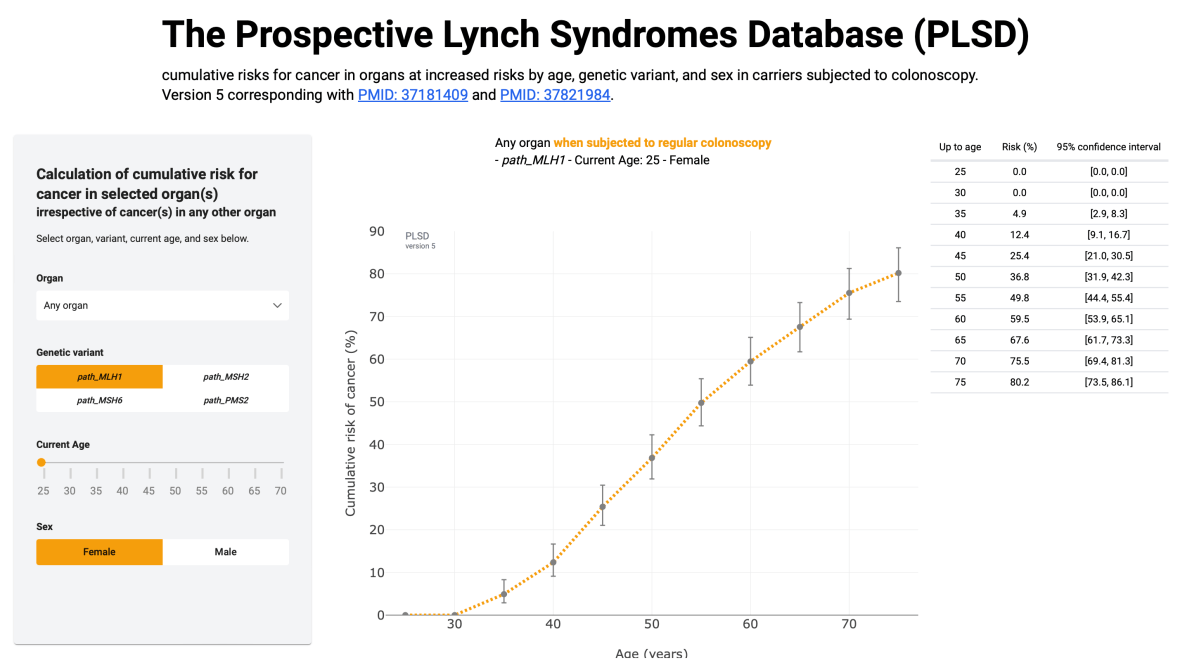
 LS predisposes to cancer in multiple organs, including colorectal, endometrial, upper GI, genitourinary, brain, and skin cancers.

Unfortunately, most individuals with LS remain undiagnosed4 and do not benefit from the growing medicines, equipment, and techniques available of early detection and prevention strategies that can prolong life, reduce cancer incidence, and thereby increase quality of life for individuals with LS.

In spite of the numerous diagnostic approaches to identifying individuals and families with LS, however, it is widely understood that LS remains underdiagnosed and thus opportunities for genetically driven cancer prevention remain missed.

The EHR(Electronic Health Record) can play an important role in identifying candidates for LS screening and advancing the clinical care of patients with LS. However, many limitations of the EHR need to be addressed and complementary approaches that incorporate input from all stakeholders are key to improving the lives of individuals with LS.

https://ascopubs.org/doi/full/10.1200/CCI.24.00032

ALTERNATIVES OR ADDITIONS

 “If you think about it, cancer loves stress and anxiety because the body becomes inflamed and therefore patients who engage in mental well-being tactics like counselling and exercise live longer, tolerate chemo more and have a better quality of life. However, anything other than that I do not know.”

It can be overwhelming and frankly too much when we get bombarded with leads on cures, from the potentially sound to the ridiculous and they are generally expensive. That’s why I love exercise, it does so much good, and it is potentially free depending on how you go about it. So please build up to that 150 minutes a week if you can. Ask your physiotherapist in your cancer centre if you need to get advice on how to start. It is never too late.

https://peakd.com/health/@clodaghdowning/alternatives-or-additions

What is palliative care?

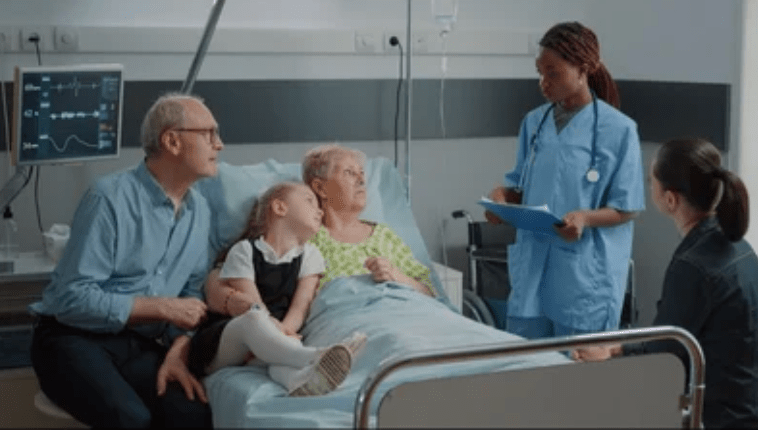
Palliative care is  specialised medical care focused on quality-of-life issues for patients and their families with serious illness. Palliative care is helpful at any age or stage of illness and is beneficial when started soon after diagnosis.

Why is this topic important?

Palliative care is about helping people with serious illnesses feel better, mentally and physically. While it initially developed from end of life care, research increasingly shows the value of beginning palliative care earlier. By talking with patients about palliative care, doctors can learn about their patients’ preferences and are better able to honor those preferences throughout treatment.

Many patients mistake palliative care for end-of-life care or hospice and may turn down the opportunity to receive palliative care that could help them deal with the side effects of their cancer or treatment.

https://www.facingourrisk.org/XRAY/palliative-care-for-cancer-patients

Life after cancer: Navigating survivorship and mental health

Cancer doesn’t just take over a person’s physical body, but their very life?

In short, when it comes to journeying through cancer care, there seems to have been prolific, yet strangely finite, consideration of that path, ceasing when it comes to post-treatment.

Screening and diagnosis to treatment and remission have been covered, but what about what happens after that?

What about cancer survivorship?

The good news is that a shift in the state of affairs is occurring.

https://pharmaphorum.com/deep-dive/life-after-cancer-navigating-survivorship-and-mental-health

Talking to Loved Ones About Increased Cancer Risk

After learning you inherited a higher risk of cancer, you may want to share your news and feelings with friends and family. Ask your loved ones to listen and support you. Let them know this information gives you the opportunity to take proactive control over your health.

https://www.everydayhealth.com/breast-cancer/how-to-talk-to-family-and-friends-about-hereditary-breast-cancer-risk/