Nivolumab plus Ipilimumab in Microsatellite-Instability–High Metastatic Colorectal Cancer

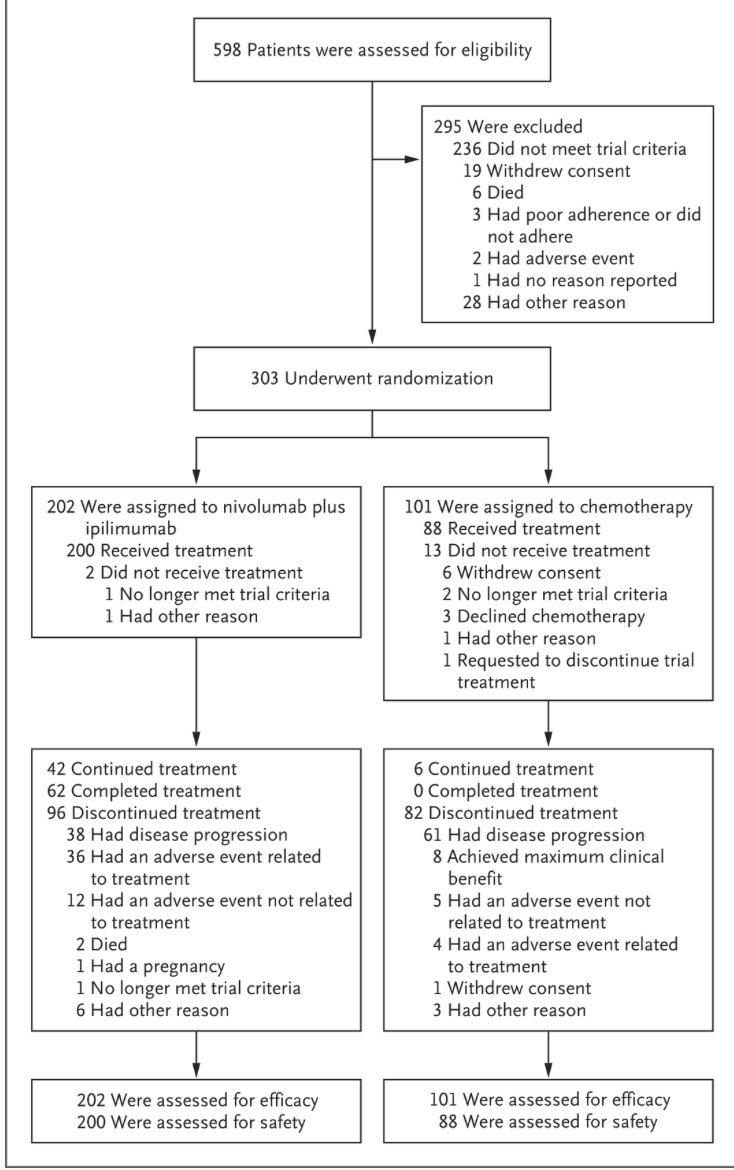
In this phase 3, multinational, randomised trial, , progression-free survival outcomes with nivolumab plus ipilimumab were superior to those with chemotherapy in the first-line treatment of MSI-H or dMMR metastatic colorectal cancer.

Grade 3 and 4 treatment-related toxic effects were consistent with the established profiles of each individual drug, and no new safety concerns were identified.

https://www.nejm.org/doi/full/10.1056/NEJMoa2402141

Improving Cancer Outcomes with Better Lynch Syndrome Testing: A Cost-Benefit Study

While testing of colorectal cancer tumours for mismatch repair defects has been recommended for years, the majority of patients with abnormal results do not complete the next steps, including genetic testing.

Completed genetic testing would determine whether a patient had Lynch syndrome (LS), a hereditary marker for a higher-than-average predisposition for developing colorectal cancer as well as other cancers, including endometrial and ovarian. Early identification of LS in a patient’s family members has the potential to reduce their cancer risk and mortality, increasing the medical benefit of and thereby ultimately lowering testing costs, the study found.

https://medicine.yale.edu/news-article/improving-cancer-outcomes-with-better-lynch-syndrome-testing-a-cost-benefit-study/

Metachronous colorectal cancer risks after extended or segmental resection in MLH1, MSH2, and MSH6 Lynch syndrome: multicentre study from the Prospective Lynch Syndrome Database

According to the European Hereditary Tumour Group’s latest position report, LS is now considered an umbrella term for four distinct types of LS: MLH1 syndrome, MSH2syndrome, MSH6 syndrome, and PMS2 syndrome. These syndromes vary with regard to the age of onset of the associated cancers, sex predominance, and cancer incidence rates.

Numerous retrospective studies and several meta-analyses support the increased risk of metachronous CRC, despite segmental resection, recommendations for extended resection remain a subject of debate due to the current absence of prospective studies and randomised trials.

Furthermore, no survival benefit has been demonstrated for extended surgery. A quality-of-life comparison between patients who had undergone segmental resection and patients who had undergone subtotal colectomy did not find a significant difference, but the latter group had poorer functional outcomes

https://academic.oup.com/bjs/article/112/4/znaf061/8113421#google_vignette

Colectomy

Colectomy is a surgical procedure to remove all or part of your colon. Your colon, part of your large intestine, is a long tubelike organ at the end of your digestive tract. Colectomy may be necessary to treat or prevent diseases and conditions that affect your colon.

There are various types of colectomy operations:

  • Total colectomy involves removing the entire colon.
  • Partial colectomy involves removing part of the colon and may also be called subtotal colectomy.
  • Hemicolectomy involves removing the right or left portion of the colon.
  • Proctocolectomy involves removing both the colon and rectum.

Colectomy surgery usually requires other procedures to reattach the remaining portions of your digestive system and permit waste to leave your body.

https://www.mayoclinic.org/tests-procedures/colectomy/about/pac-20384631

Recent Advances in Lynch Syndrome Diagnosis, Treatment and Cancer Prevention

Conclusion:

The identification and management of individuals and families with Lynch syndrome has evolved rapidly during the past decade or so. Advances in molecular testing and NGS technologies now allow all patients with colorectal and endometrial cancers to reliably receive screening for underlying Lynch syndrome, whereas innovations in immuno-oncology promise to continue revolutionising the treatment of Lynch-associated cancers.

To continue moving the needle forward, expanded efforts to diagnose Lynch syndrome in healthy, cancer-free individuals are needed, rather than relying on the identification of Lynch syndrome through a new cancer diagnosis.

Identification of Lynch syndrome offers the potential to prevent cancer-related morbidity and mortality, and continued progress in understanding the immune system’s ability to recognize, eradicate, and intercept Lynch-associated neoplasia offers many intriguing possibilities for immune-based primary cancer prevention.

https://ascopubs.org/doi/10.1200/EDBK_208341

Clinical challenges and patient experiences in early-onset colorectal cancer: insights from seven European countries

Results

Participants highlighted several key challenges, including low awareness of CRC symptoms among younger populations, diagnostic delays linked to age and gender biases, and limited access to age-appropriate support services. Many participants reported significant quality-of-life (QoL) impacts related to disrupted careers, intimacy issues, and challenges managing family responsibilities during treatment. Psychological support, physiotherapy, and nutritional counseling were inconsistently available, with significant disparities across public and private healthcare systems.

Evaluation of user experiences, perceptions and attitudes towards faecal immunochemical testing (FIT) for risk-stratified colonoscopy in people with Lynch syndrome

Objective: This study evaluates the experiences, perceptions, and attitudes of people with Lynch syndrome (LS) towards faecal immunochemical testing (FIT) as an adjunct to colonoscopy for colorectal cancer surveillance.

ConclusionsFIT is widely perceived as an acceptable supplemental tool among surveyed people with LS, who appreciate its potential to reduce intervals between colonoscopies without compromising surveillance quality.

Ongoing patient engagement is crucial to addressing concerns about FIT’s reliability. Future research should evaluate long-term outcomes and explore diverse population perspectives to guide FIT implementation in LS surveillance.

https://bmjopengastro.bmj.com/content/12/1/e001751

What I Wish I Knew

What do you wish you knew then that you know now about your cancer experience?

https://womenofteal.blogspot.com/2025/05/what-i-wish-i-knew.html

What Is Peripheral Neuropathy?

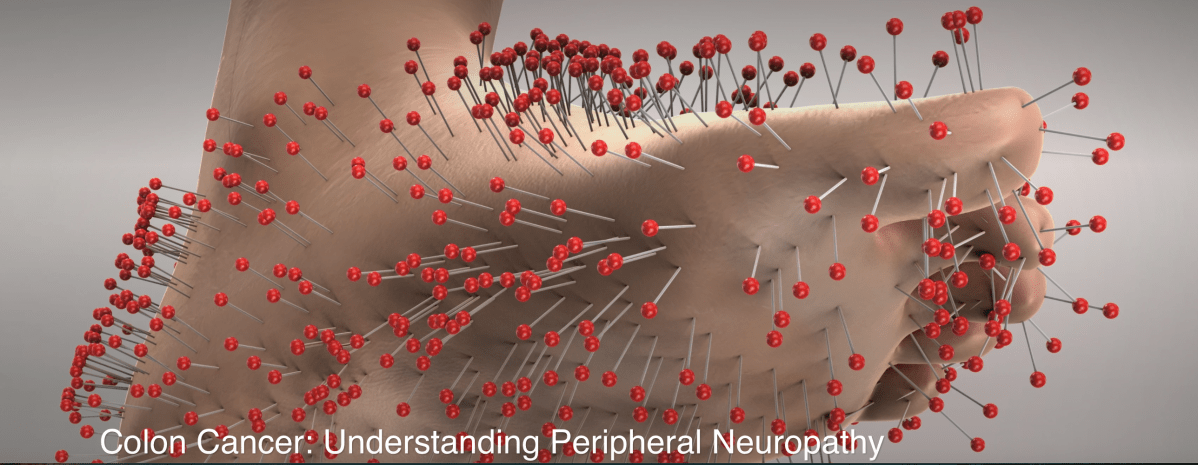
If you’ve received chemotherapy as part of your colon cancer treatment, one of the side effects you may experience is numbness and tingling in you extremities, also known as peripheral neuropathy. It is damage to the nerves that transmit signals between the extremities and the central nervous system.

If you have numbness and tingling in your fingers or toes, notify your doctor immediately. Addressing peripheral neuropathy at the onset of symptoms can prevent a long-term problem. The numbness and tingling are the symptoms most often associated with peripheral neuropathy, though other symptoms exist. These include weakness, pain in the arms, hands, legs and/or feet, and abnormal sensations such as burning, tickling, pricking or tingling

Oxaliplatin chemotherapy, as well as other drugs for the treatment of colon cancer may cause peripheral neuropathy. 

https://news.cancerconnect.com/colon-cancer/colon-cancer-understanding-peripheral-neuropathy