

Check out the presentations on YouTube.
Up to date information on Lynch Syndrome
Check out the presentations on YouTube.
Up to date information on Lynch Syndrome
Lynch syndrome (LS) is a genetic condition that is passed on between families (inherited). A syndrome is a group of signs and symptoms that occur together and point to a particular condition.
Most people who have Lynch syndrome are well and don’t know they have LS.
However, someone with LS is more at risk of developing certain types of cancer than other people of a similar age.
Check out our Men’s Health hub, full of helpful tips for healthy living and how to #SpotCancerEarly at: https://brnw.ch/21wKBEG
Also…
Many men with cancer in the family worry that they are at greater risk of getting it themselves. But this isn’t the case for most people. Cancer is a common disease among older people, so most families will include at least one person who has had cancer.
The strength of your family history depends on:
The more relatives who have had cancer, and the younger they were at diagnosis, the stronger your family history. You may have a strong family history if any of these situations apply to you:
Talk to your doctor who can help you find out if your family history of cancer is of concern. Your doctor may suggest that you visit regularly for screening. In this way, you can pick up problems early.
Your family history of cancer can change over time, so it is important to keep your doctor updated about any new cancers diagnosed in your family.
A new NHS testing programme for bowel cancer has been launched for people with Lynch Syndrome, following an initiative to increase genomic testing for the condition.
Around 10,000 people with Lynch syndrome will start receiving invitations to take part this year.
Dr Kevin Monahan, who led the NHS England Lynch syndrome transformation project, said: “Incorporating people with Lynch syndrome into the national colonoscopy screening programme is game-changing and will save many lives each year.
It will deliver prevention and early diagnosis of bowel cancer through timely and high-quality colonoscopy. Now diagnosis of this hereditary condition in England will be linked to lifelong patient-focused care.
“The most challenging part of dealing with Lynch syndrome for me is the uncertainty surrounding my son’s health. The fear of him possibly inheriting the mutation gives me anxiety, especially since he hasn’t been tested yet. If it were solely about me, I might have approached things differently — I may have postponed my prophylactic surgeries until after achieving menopause.”
“I didn’t have to face Lynch syndrome alone after realizing that support is always available. That support system, as well as staying ahead on check-ups and focusing on my wellbeing, guided my path after being diagnosed.”
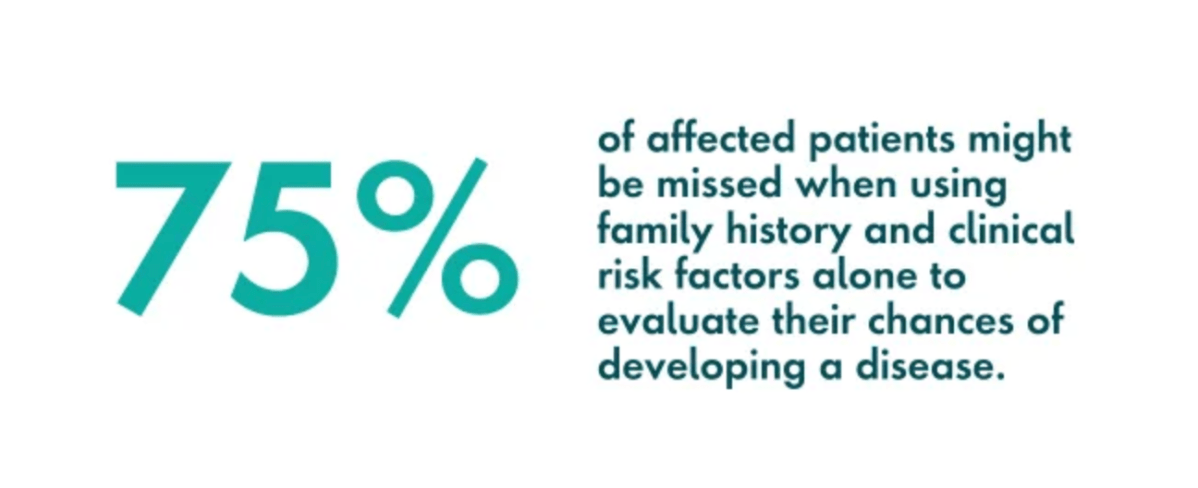
The landscape of Lynch syndrome has significantly evolved over the past decade, with advancements in genetic testing, universal screening and predictive models improving early detection.
https://www.curetoday.com/view/what-i-wish-i-was-told-about-lynch-syndrome
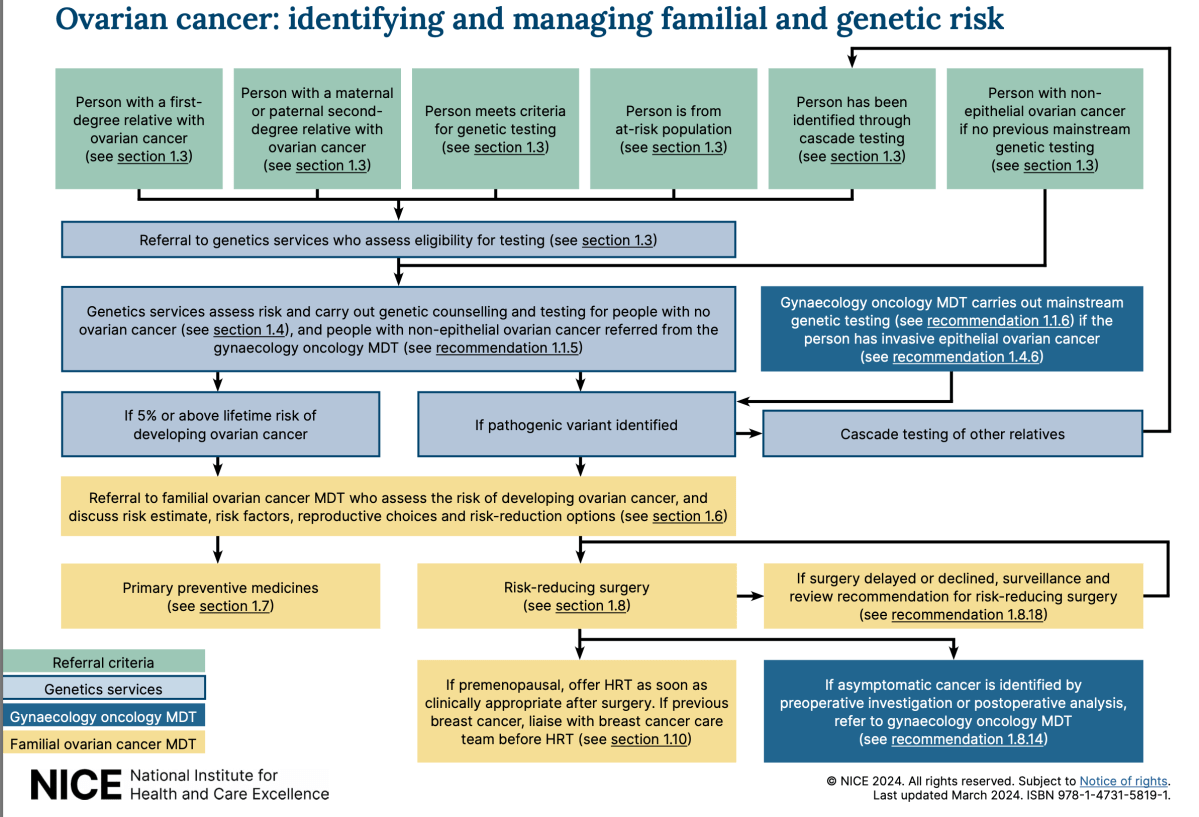
https://www.nice.org.uk/guidance/ng241
Collaborations like the eMERGE IV study can help show how diverse population screening, better communication of test results and integration of genetic information into health risk reports can improve our understanding of how to reduce health risks for all.
No guidelines exist for proactive genetic testing to understand overall health risks in otherwise healthy individuals with no family history of disease, so comprehensive risk assessments that include genetic testing aren’t yet standard practice for most healthcare practitioners.
Genetic testing can provide valuable information to mitigate personal disease risk, but the use of genetic results in life insurance underwriting is known to deter many consumers from pursuing genetic testing.
Many countries have restricted the use of genetic test results to assess individuals for risk-rated insurance products. Canada adopted the Genetic Non-Discrimination Act (GNA) in 2017, which prohibits the use of genetic information in services including insurance, with no exceptions or financial limits.
Participants stated a strong preference for government regulation to ensure adequate protection against Genetic Discrimination in life insurance and provide certainty to individuals considering genetic testing. The Australian Government is now considering its policy response to its public consultation into the use of genetic results in life insurance underwriting.
Small Study: Results show low trust in the life insurance industry’s self-regulation, and strong support for legislation from the Australian Government. Even after the introduction of the moratorium, these consumers remained concerned about the implications of their genetic test results on life insurance, and these concerns affected decision-making about genetic testing. Participants also showed little knowledge of the moratorium, or were concerned about others not being informed about it.
This study aims to understand the different goals and motivations individuals with an inherited gene mutation have when talking about their genetic cancer risk with family members in a conversation.
To participate, please email the study coordinator at cancercomm@usf.edu for the link to the online survey.




 Lynch Syndrome Ireland