Reforms needed to get quicker access to new medicines, says IPHA

The Irish Pharmaceutical Healthcare Association (IPHA) has said that patients in Ireland could get access to new medicines a year earlier, if there were reforms here.

The new Programme for Government said the coalition is committed to ensuring that patients have access to news medicines as quickly as possible.

The IPHA has said it is clear that the system for covering new medicines needs to be funded, governed and designed to operate within the legal 180-days timeline set by the Oireachtas.

Meanwhile, a new four-year Framework Agreement on the pricing and supply of medicines between the State and IPHA is due to be negotiated this year.

https://www.rte.ie/news/2025/0226/1498941-ipha-medicines/

Interesting discussion on the “human cost” of delayed approval….

“System not very transparent”

“Strategically a commercial process”

“Difficult conversations on a daily basis”

https://www.rte.ie/radio/radio1/today-with-claire-byrne/2025/0226/1499089-today-with-claire-byrne-wednesday-26-february-2025//

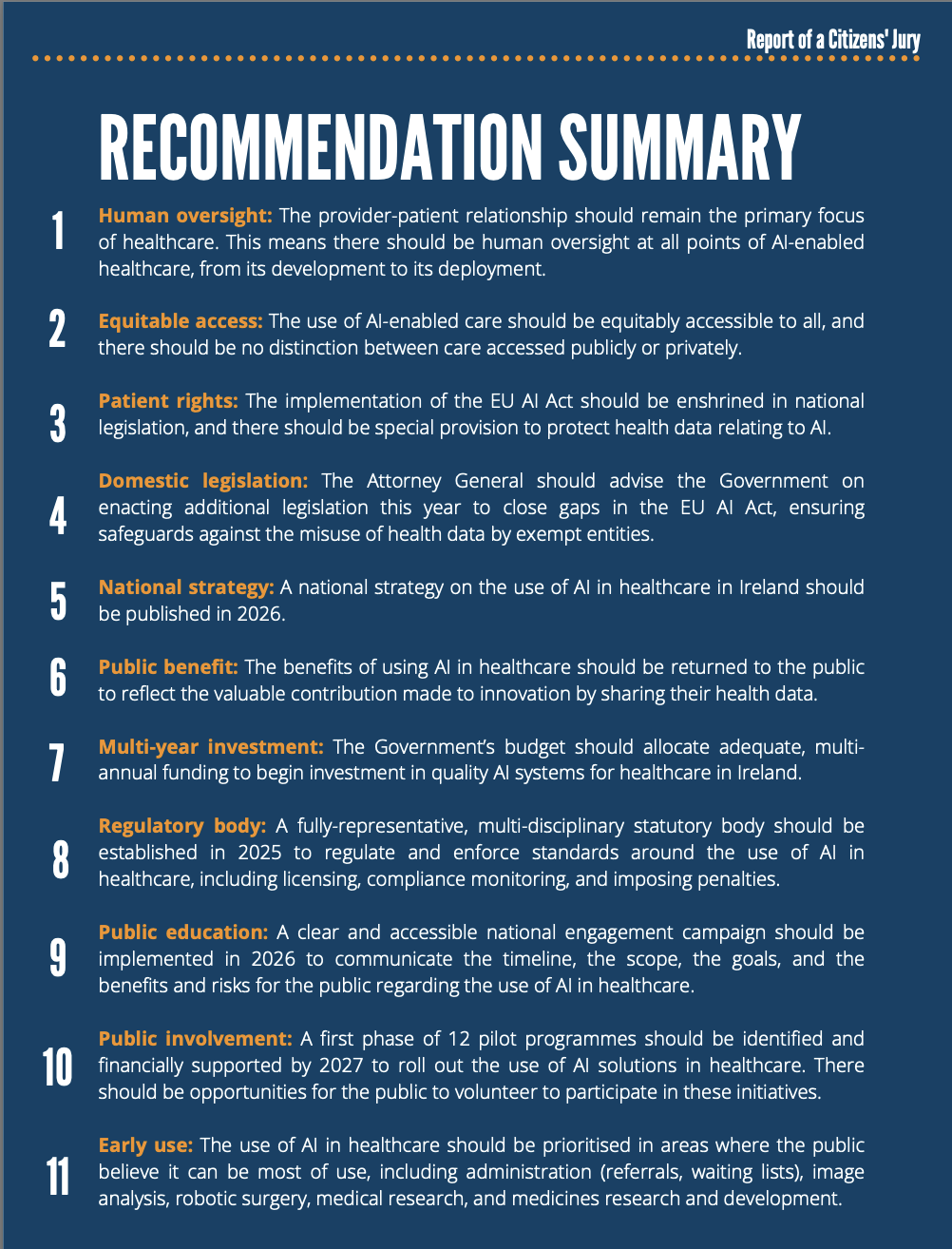
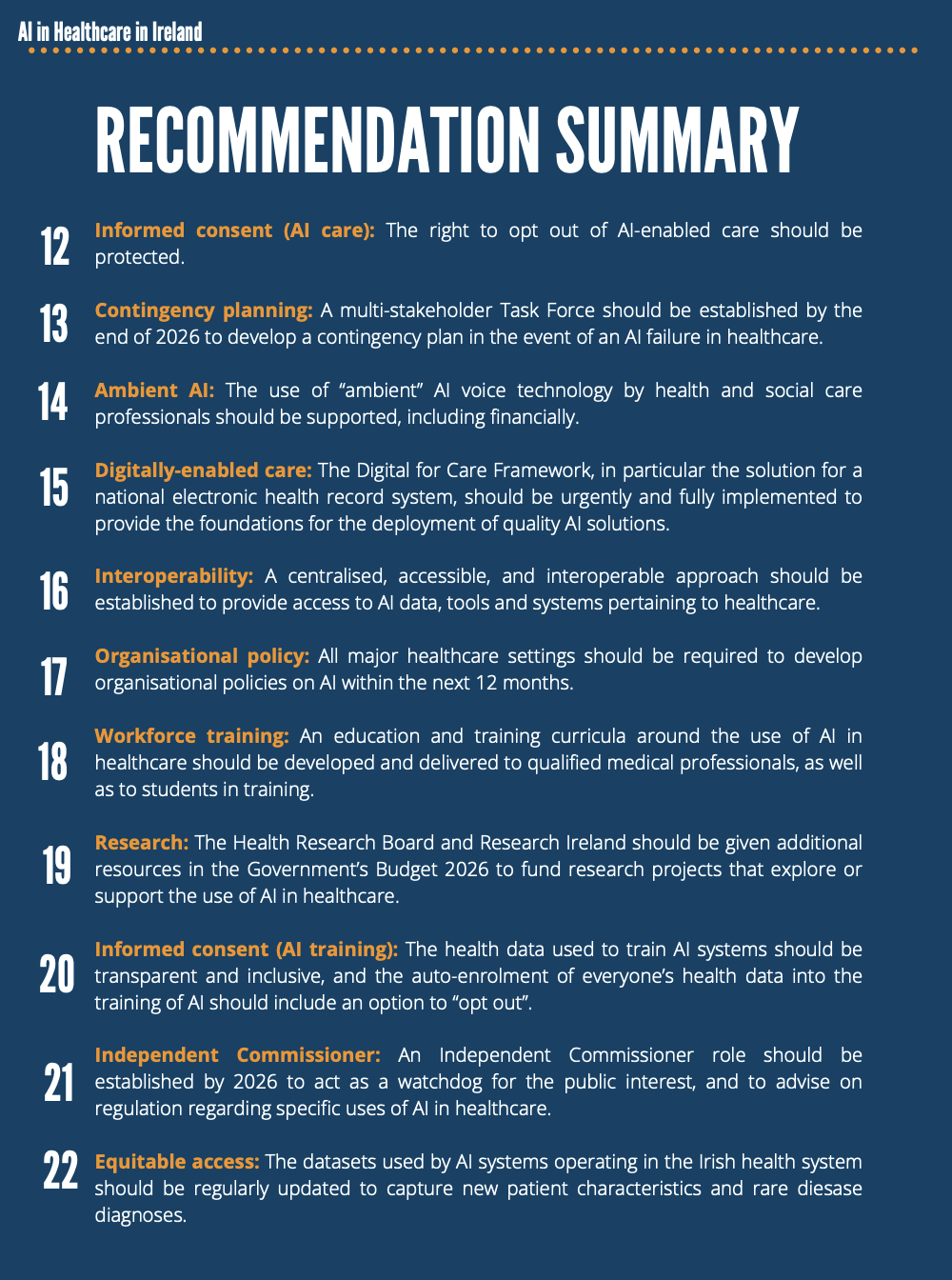
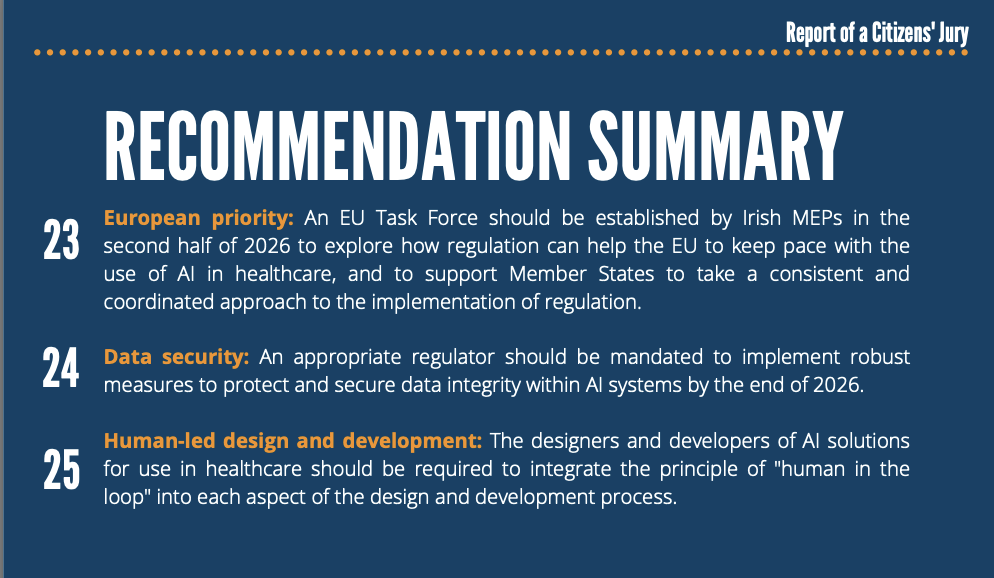
IPPOSI Citizens’ Jury report on Artificial Intelligence (AI) in Healthcare

Read the #IPPOSI Citizens’ Jury report on Artificial Intelligence (AI) in Healthcare- 25 recommendations calling for regulation, public interest champions, ongoing engagement, and more.

This report reflects the outputs from the 2024 IPPOSI citizens’ jury process and it has been compiled by the IPPOSI project team.

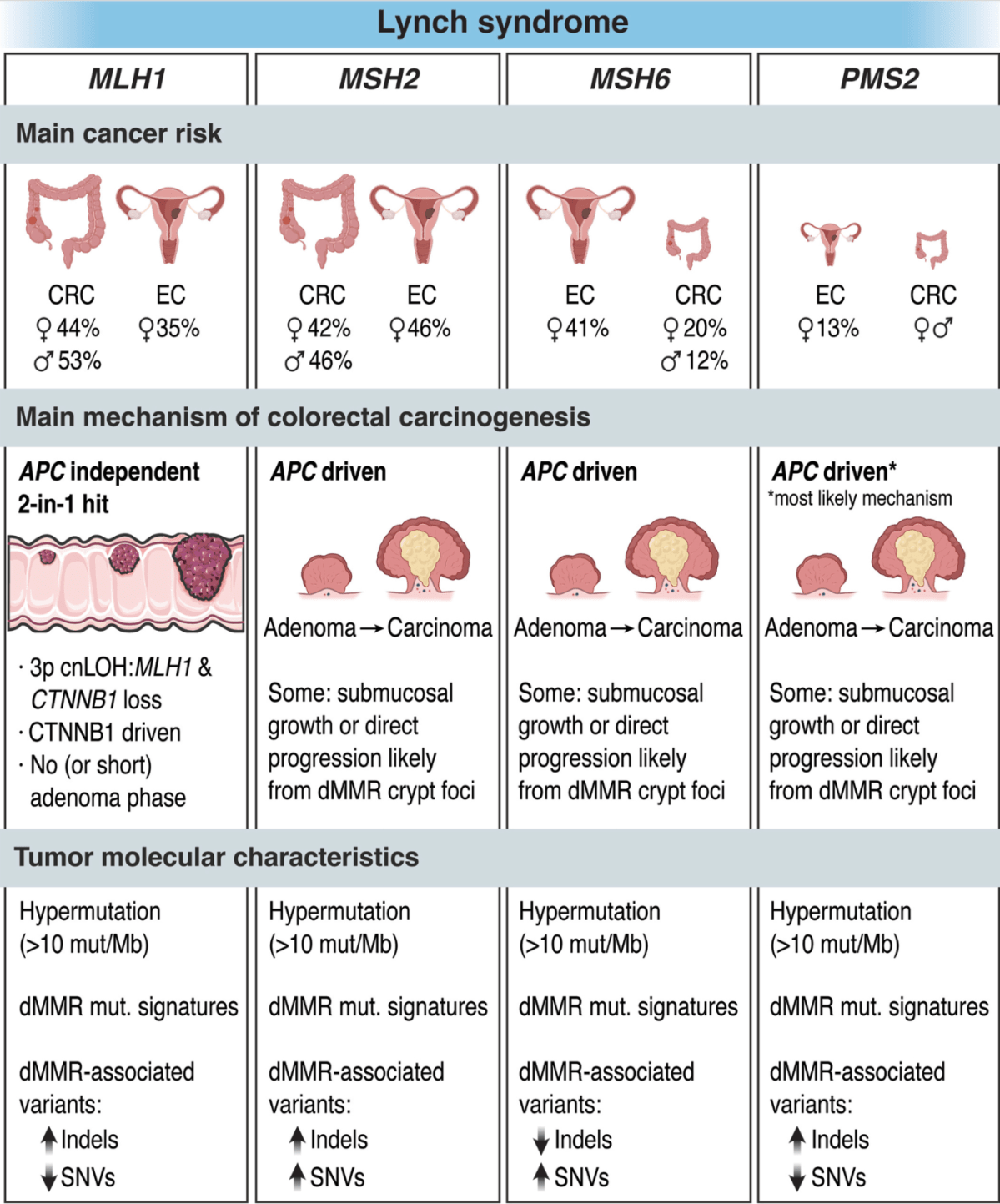
Lynch Syndrome: A Single Hereditary Cancer Syndrome or Multiple Syndromes Defined by Different Mismatch Repair Genes?

Lynch syndrome is the most common type of hereditary cancer syndrome, affecting 1 in 280–400 individuals. This predisposition to cancer is caused by inherited or germline pathogenic changes in the DNA mismatch repair (MMR) genes MLH1MSH2MSH6, and PMS2. In some cases, constitutional promoter methylation of MLH1 or MSH2 (secondary to an EPCAM5′ deletion) is also identified.

Conclusion: it may be appropriate to consider categorising Lynch syndrome as 4 distinct syndromes based on the specific altered MMR gene.

The varying carcinogenic mechanisms and associated cancer risks indicate the need for gene-specific surveillance recommendations in Lynch syndrome. Moreover, the growing understanding of gene-specific differences will likely affect treatment options and efficacy of Lynch syndrome vaccines.

https://www.gastrojournal.org/article/S0016-5085(23)00696-0/fulltext

CUTTING DOWN CANCER: The algorithms are not your friend when it comes to health 

Today, an estimated 86% of people get their news from a smartphone, tablet, or computer. Between websites, social media, podcasts, and search engines, the sheer volume of digital information available is vast.

Alarmingly, about 40% of the traffic on the internet is not created by humans, and fake news stories are 70% more likely to be forwarded than real ones.

Into this environment, 80% of us look for health information. Studies have found that the majority of this information is not in line with best medical advice.

Remember: The information we receive on our social media is determined by algorithms designed to show us more of what we want to see.

Misinformation is not new, but it is just as dangerous to big decisions now as it ever was.  

Know the facts – own your risk – decide for yourself.

https://www.southernstar.ie/news/the-algorithms-are-not-your-friend-when-it-comes-to-health-4319905

Diagnosis Delivery Images

Diagnosis Delivery Cards is an initiative originally created by ISGO-PPI, a member association of ENGAGe from Ireland.

These cards are designed to support physicians in communicating diagnoses to patients in a structured, step-by-step manner, ensuring that key information is conveyed from the very beginning.

Each booklet focuses on a specific disease, featuring perforated pages that allow physicians to visually illustrate the affected areas of the body and outline treatment options.

These pages can be easily torn off and given to patients for their reference, making it easier for them to understand their diagnosis and treatment plan. The illustrations concentrate on the female pelvis and its organs, while the accompanying text details surgical options, potential complications, and side effects.

https://engage.esgo.org/discover/projects/diagnoses-delivery-cards/

Olivia: is a guide and support throughout your ovarian cancer experience.

How can Olivia help you?

Olivia offers a wide range of resources for everyone affected by ovarian cancer, including a guide for the newly diagnosed, detailed information for every step of the ovarian cancer pathway, lifestyle articles, resource directories, and much more.

https://ovarian.gynecancer.org/en/

Permission to Feel: 10 Tips for Navigating Cancer and Treatments with Honesty and Humour

“The medical definition of “urgent” (e.g. appointments, test scheduling, results) may well be different from yours. No, really! Scanxiety is a thing.”

https://www.survivingbreastcancer.org/post/permission-to-feel

Creation of a future European Network of National Cancer Mission Hubs (NCMHs)

ECHoS is an European project, funded by Horizon Europe Programme, that aims to support the implementation of the Cancer Mission activities in all Member State and Associated Country (MS/AC) through the establishment and development of National Cancer Mission Hubs (NCMHs) operating at national, regional, and local levels. By establishing NCMHs in each MS/AC, European citizens and organisations in health, research, and beyond, will be voiced and their voices will echo together.

ECHoS broad scope seeks to take cancer-policy dialogues beyond research and innovation, and health systems, covering also other relevant areas in cancer control and support, such as employment, education, and socioeconomic aspects.

To guarantee alignment and progress in the field of cancer, ECHoS will be guided by impacting subareas of Cancer Mission – namely prevention, early detection and treatment, quality of Life and survivorship – as well as equity, sustainability, and cross-cutting EU priorities such as social engagement and digital health.

http://www.cancermissionhubs.eu

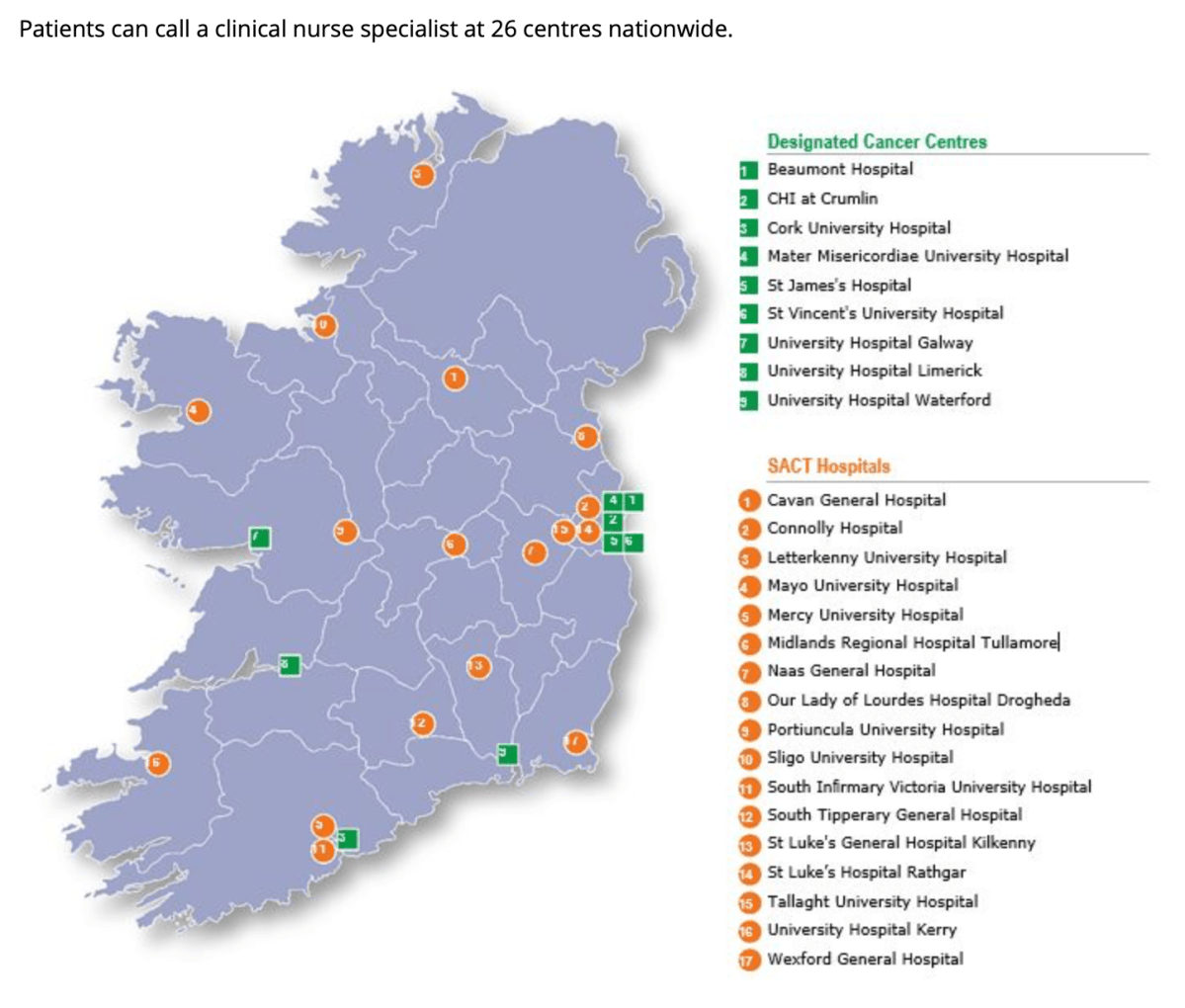
Acute Haematology Oncology Nursing Service SOS Hotline

This service provides cancer patients on treatment access to advice and support when they’re feeling unwell, without needing to go to the emergency department.

Patients can call a dedicated phone line to speak with a clinical nurse specialist at one of 26 centres across the country that offer cancer treatment. This service helps schedule immediate care for patients who need attention during their active treatment.

Oh….. by the way make sure you are unwell – (Monday -Friday between 0800 hrs and 1600hrs).

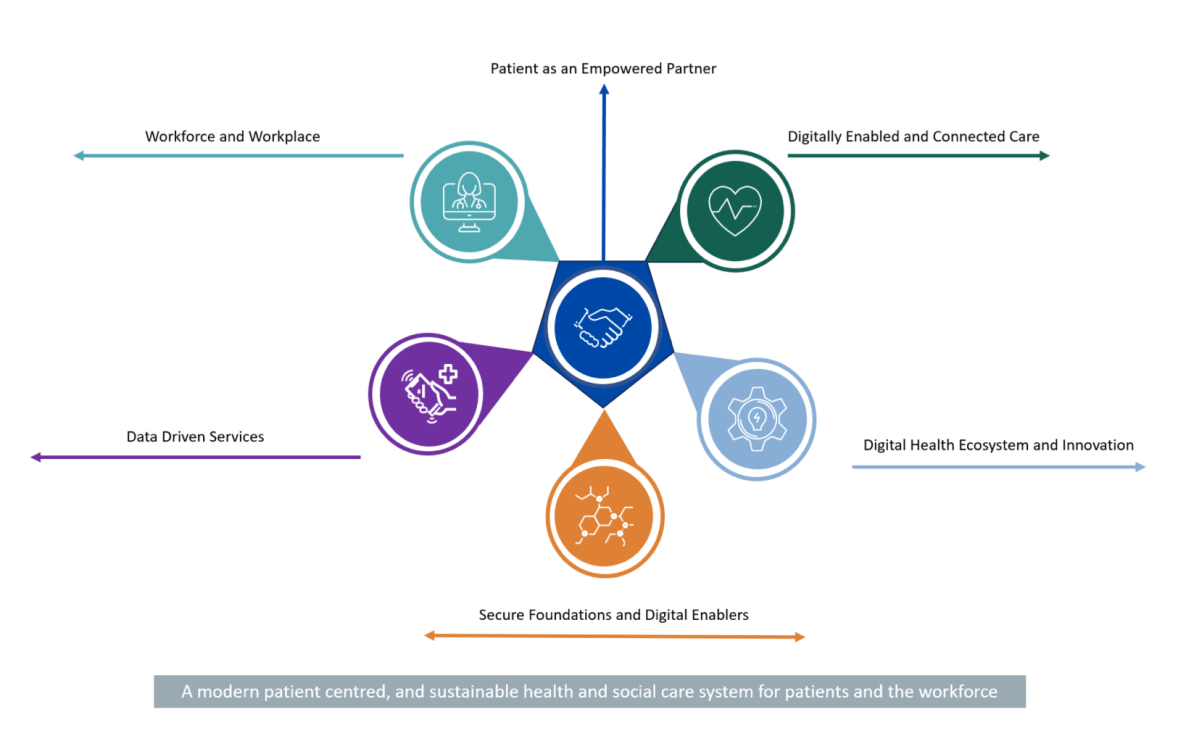
Digital for Care —A Digital Health Framework for Ireland: 2024-2030

-Patient as an empowered partner: We will empower patients by giving them broader access to their own health information through a patient app, provide access to more digital health services, including virtual care offerings, whilst enabling greater autonomy and choice over their care options.

Workforce and workplace: We will enable our workforce by providing them with the technology, systems, and skills they need to deliver the best possible care and services to patients in the modernised healthcare system. 

Digitally Enabled and Connected Care: We will drive future investment and make architectural decisions based on the ability of systems to share clinical information and deliver connected care. We will make it possible for healthcare professionals, and others who support delivery of care, to be able to access the information needed about their patients when and where they need it, regardless of where those patients were treated previously. 

Data driven services: We will leverage data analytics, business intelligence, visualisation, dashboards, and other digitally enabled management tools to provide greater insights into the health service and its operation. This will create opportunities for increased productivity, efficiency and more precise direction of resources to areas of greatest need, and where they will have the maximum impact. 

Digital health ecosystem & innovation: We will embed continuous improvement within the health and social care system. This will be enabled by innovation via improving ongoing collaboration, improved procurement pathways, increased participation, and promoting research excellence. This strategic principle also details key considerations for the Digital health ecosystem as we prepare for the technologies of the future.

Secure foundations & digital enablers: We will continue to build cyber resilience and put in place the key enablers needed to deliver this digital health strategic roadmap, underpinned by strong governance, cultural change, standards, interoperability, infrastructure, architecture, and legislation.

https://www.gov.ie/en/publication/0d21e-digital-for-care-a-digital-health-framework-for-ireland-2024-2030/