Restricted access to effective anti-cancer drugs

Almost all new ‘cutting edge’ or practice changing cancer therapies are developed commercially, by private companies. This is deliberate, even strategic, on behalf of the public sector.

Not cost-effective does not mean not effective.

Is the Two-tier system failing patients?

https://twitter.com/mccarthymt7/status/1860385822953902315

Private patients have swift access to European Medicines Agency (EMA) approved anti-cancer drugs, the charity said.

However public patients must wait on average two years to find out if they will get access to the same drugs.” Irish Cancer Society

https://www.rte.ie/news/health/2024/1122/1482285-cancer-health-funding/

Steering the Treatment of Gynecologic Cancers With Biomarkers

Over the past 10 years, PARP inhibitors, immunotherapy and antibody drug conjugates have changed the treatment landscape of gynaecologic cancers, providing options for patients beyond chemotherapy.

Most of the recent FDA approvals for treating patients with gynaecologic malignancies are based on biomarkers. In ovarian cancer, germline genetic testing (patient’s blood or saliva) or somatic profiling (next-generation sequencing of a patient’s tumor) can focus on several biomarkers. For example, it can identify BRCA and homologous recombination deficiency — which occurs in approximately 50% of patients with ovarian cancers and can be treated with PARP inhibitors — and Lynch syndrome, which is a mismatch repair deficiency.

https://www.curetoday.com/view/steering-the-treatment-of-gynecologic-cancers-with-biomarkers

It’s time to Deliver the Cancer Care Ireland Deserves

https://twitter.com/IrishCancerSoc/status/1858645024570802553

@mccarthymt7 With the General Election in Ireland approaching, I had a look through the @FineGael, @fiannafailparty and @labour party manifestos this evening as they relate to cancer services – so that you don’t have to (although feel free to look)!

https://twitter.com/mccarthymt7/status/1858282148069003642

In an Ideal World: We would have….

  • A central point to support people who are affected by Lynch Syndrome or other Genetic Cancer defects.
  • An integrated Cancer Genetics service.
  • An increased Genetics workforce.
  • A Genetics Testing center in Ireland.
  • A comprehensive IT system to Manage/Track and generally improve the collection/storage of relevant information.
  • Improved awareness by Public and Medics of Genetics.
  • A dedicated Pathway for people with a genetic cancer issue.
  • Improved support available to help in relaying a diagnosis to the wider family.
  • A national BioBank to improve/help research in this area.

Blood Clots

Cancer patients, especially those who are receiving chemotherapy, have a much higher risk of DVT than other people.

https://www.cancer.ie/cancer-information-and-support/cancer-information/cancer-treatments-and-side-effects/coping-with-side-effects/blood-clots

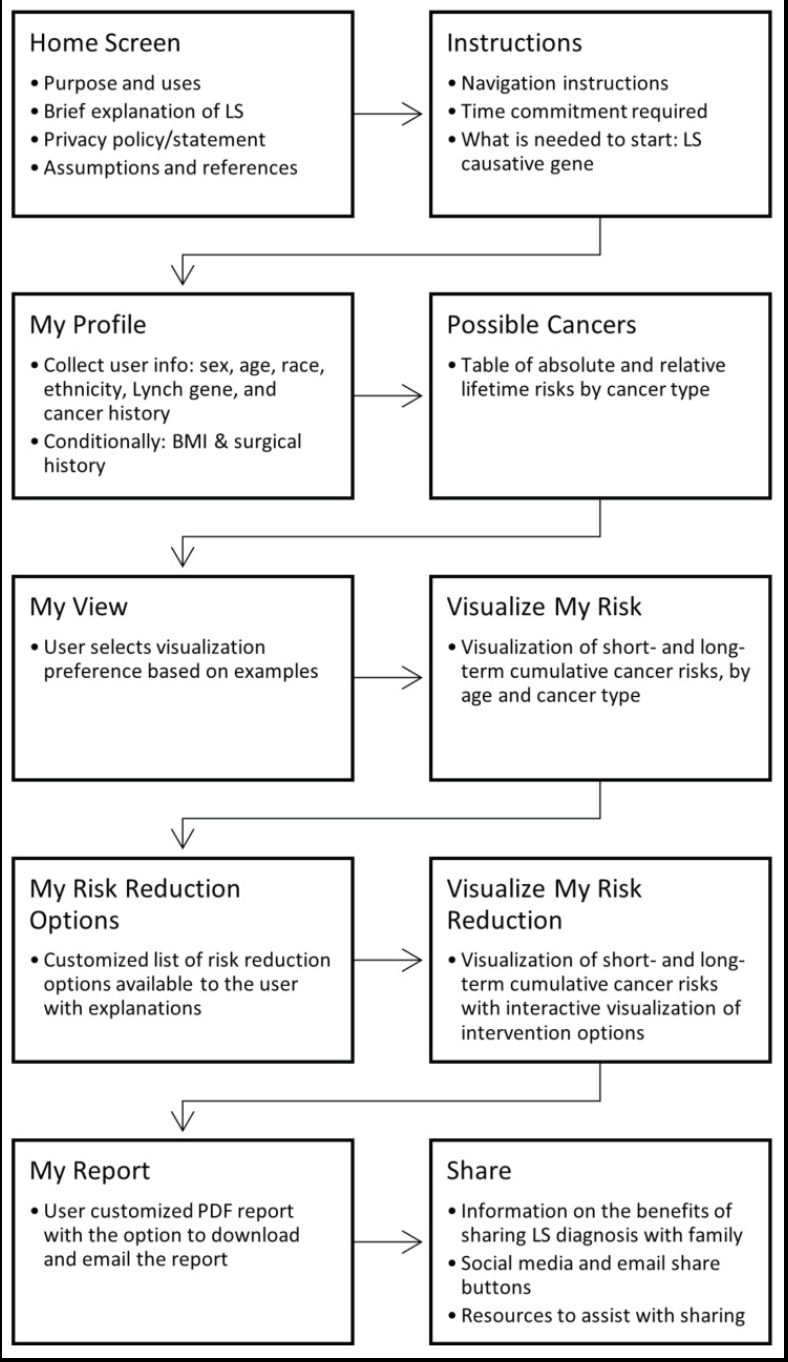
MyLynch: A Patient-Facing Clinical Decision Support Tool for Genetically-Guided Personalized Medicine in Lynch Syndrome (USA)

MyLynch, a patient-facing clinical decision support(CDS) web application that applies genetically-guided personalised medicine(GPM) for individuals with Lynch syndrome. 

As genetic panel testing becomes more widely available, GPM will play an increasingly important role in patient care, and CDS tools offer patients and providers tailored information to inform decision-making.

MyLynch provides personalised cancer risk estimates and interventions to lower these risks for patients with LS.

https://pubmed.ncbi.nlm.nih.gov/36672340/

What -7 years away from delivering a comprehensive electronic health record system for all citizens to replace traditional paper-based records. Who is in charge/responsible?

Is it the Minister? Is it the CEO? Hmm…. surely we could blame the Agency Cat.

The HSE is roughly seven years away from delivering a comprehensive electronic health record system for all citizens to replace traditional paper-based records.

In 2004…yes 2004..…Patients can expect improved and safer care under the new blueprint, which will modernise the gathering and use of health information, Health Minister Micheal Martin said. “AN ELECTRONIC healthcare record for all patients, allowing a range of information on their medical history to be automatically called upon, is promised under a new health plan launched yesterday“.

Now 2024.….An electronic healthcare record in 7 years? EHRs are currently standard of care in all developed western countries. A range of tried and tested commercial solutions have been available for a long time now. In 7 years, it will be 27 years since

An oncologist(Michael Mc Carthy on X):….”The amount of time I spend every day logging in and out of 10 separate computer systems would boggle anyones mind. When I arrived in Mayo this morning, I had to enter my username and password 7 times to get into evolve. As a conservative estimate, I probably entered usernames and passwords about 50-60 times over the rest of the day. Hard to imagine, but true.”

People without health insurance increasingly unable to get cutting-edge cancer meds they need

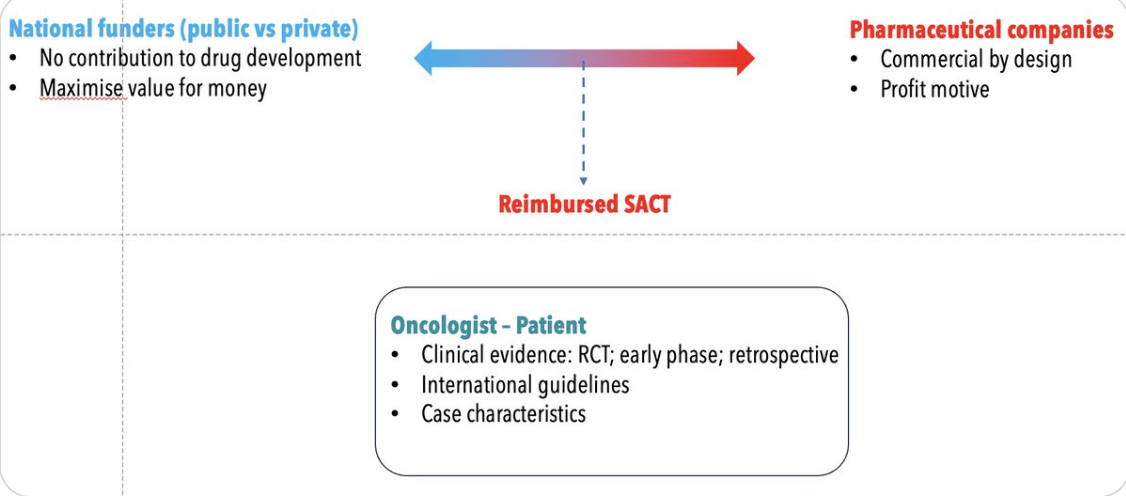
While new best-in-class drugs are available privately immediately, EMA(European Medicines Agency) approval is only the first step in getting such treatments through the public drug reimbursement process. The pharmaceutical companies must approach EU health services separately for assessment even after EMA approval.

While new best-in-class drugs are available privately immediately, EMA approval is only the first step in getting such treatments through the public drug reimbursement process. The pharmaceutical companies must approach EU health services separately for assessment even after EMA approval.

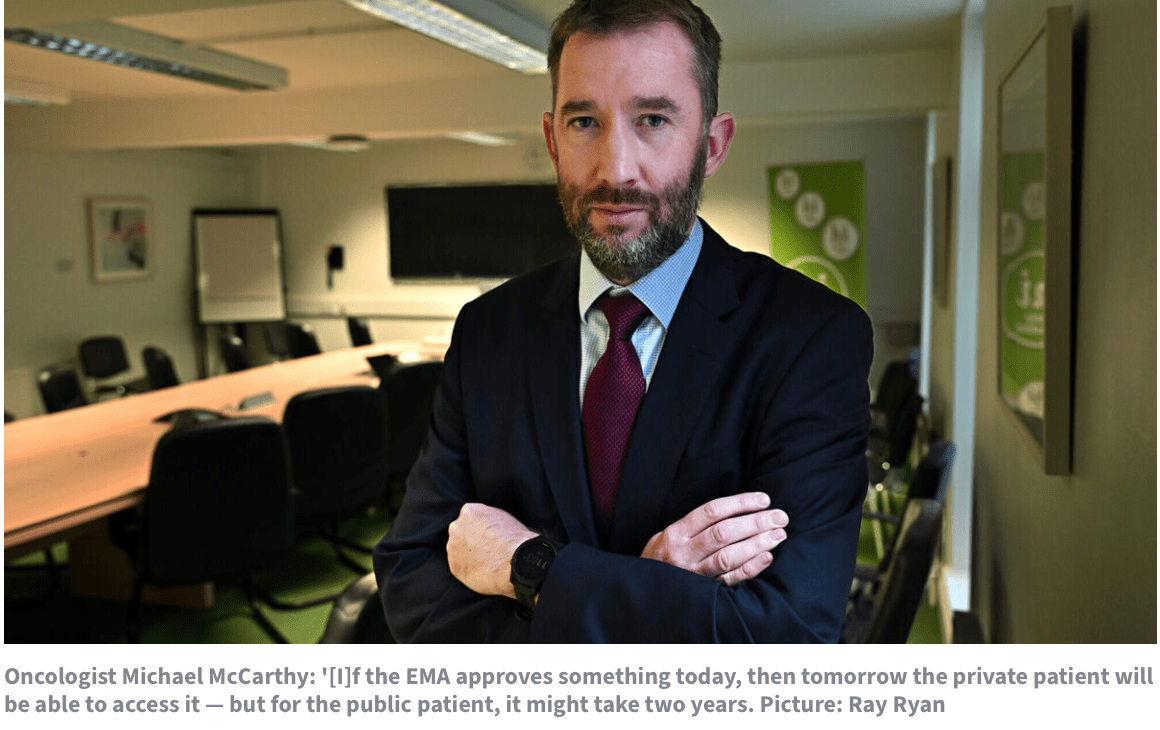
“As things stand right now, if the EMA approves something today, then tomorrow the private patient will be able to access it — but for the public patient, it might take two years,” Dr McCarthy said.

Some 55% of adults in Ireland do not have health insurance, according to the latest figures.

https://www.irishexaminer.com/news/arid-41363869.html