
Category: Information
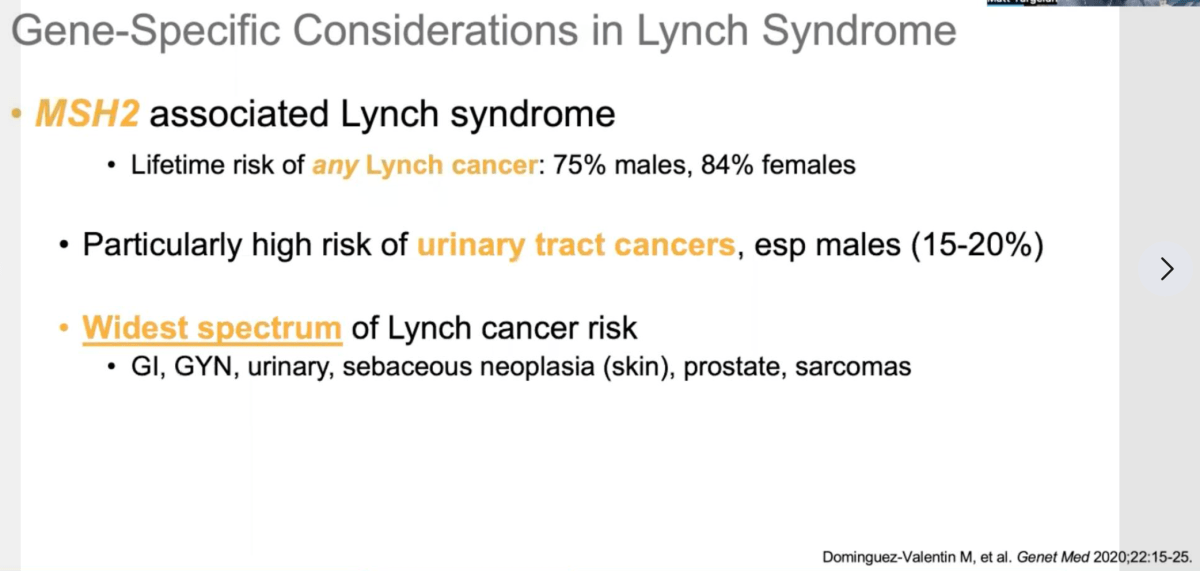
Gene-Specific Considerations in Lynch Syndrome -MLH1
Launch of Hereditary Cancer Model of Care (Ireland)

Hereditary Cancer Model of Care provides the blueprint for the necessary development of services for the identification and management of people with an inherited cancer predisposition (e.g. Lynch syndrome or BRCA gene cancer risk), in order to harness the power of genetics to reduce cancer risk, and improve patient outcomes and quality of life.
The model of care will ensure/support the development of:
- Development of national guidance to underpin standardised best practice, including mainstreaming of cancer genetic testing
- Equitable access to hereditary cancer services for all
- Clear governance and clarity regarding the roles of national genetics and genomic structures, specialist cancer genetics services and regional cancer predisposition services, within an overarching model of care
- Commitment to the Sláintecare principles of right person, right place, right time – through the integration of genetic assessment and testing into regional services, with access to specialist genetic expertise as required
- Maximal use of technological solutions
- Timely access to genetics assessment and testing, including specialist cancer genetics expertise as required
- Timely access to clinical management of cancer predisposition, including risk reduction options
- Comprehensive and coordinated approaches to ongoing management
- Quality assurance of service
- Access to high quality patient information, psychological support and peer support for patients
- Education and training of health care professionals, including accredited training for those delivering mainstreamed pathways
Children’s cancer – Irish Cancer Society
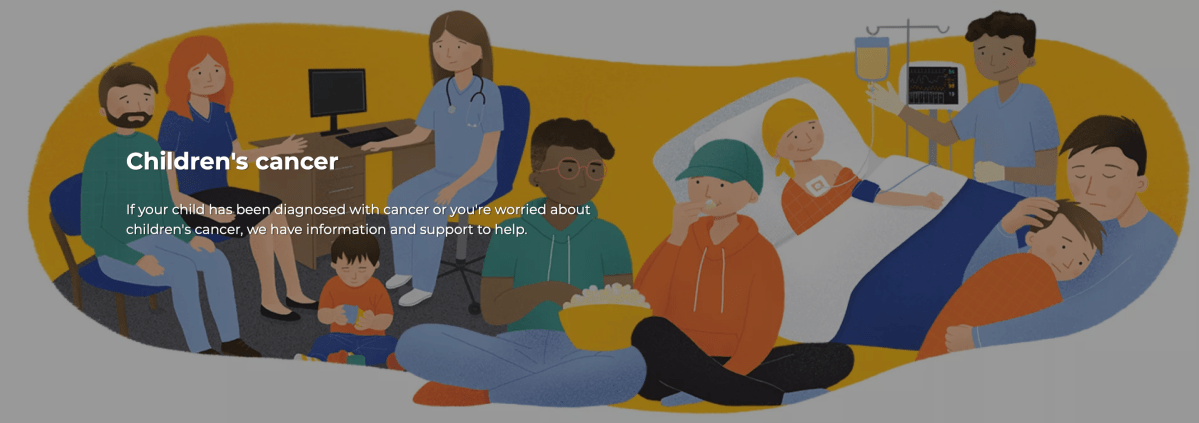
Cancer is rare in children. Around 190 children and teenagers under the age of 16 are diagnosed each year in Ireland. Children’s cancers are different to adult cancers. They often affect different parts of the body and behave differently. About 1 in every 3 cancers that affects children is leukaemia, which is a blood cancer. The most common tumours in children are brain and central nervous system tumours.
After a diagnosis of children’s cancer
Publications about children’s cancer
https://www.cancer.ie/cancer-information-and-support/childrens-cancer#classroom
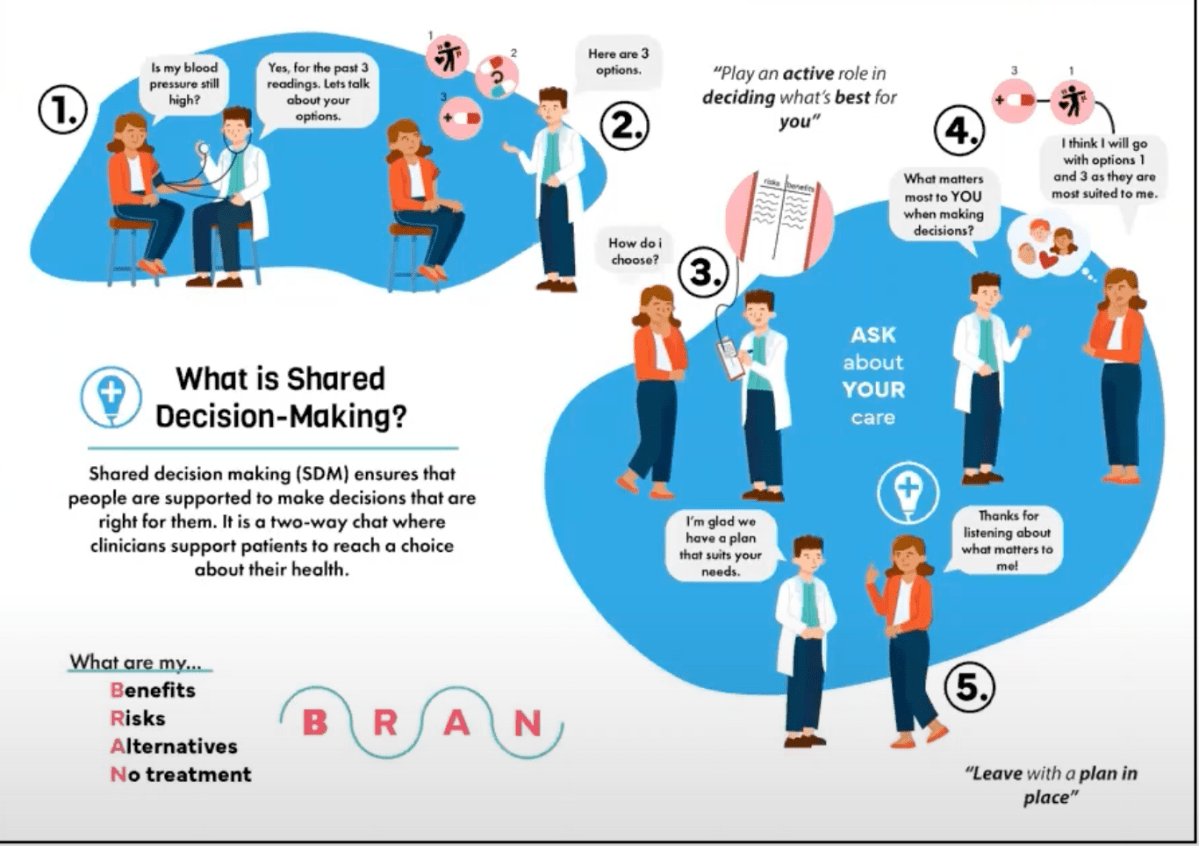
Shared decision making – examples of great practice
Long-term outcomes of hysterectomy with bilateral salpingo-oophorectomy: a systematic review and meta-analysis
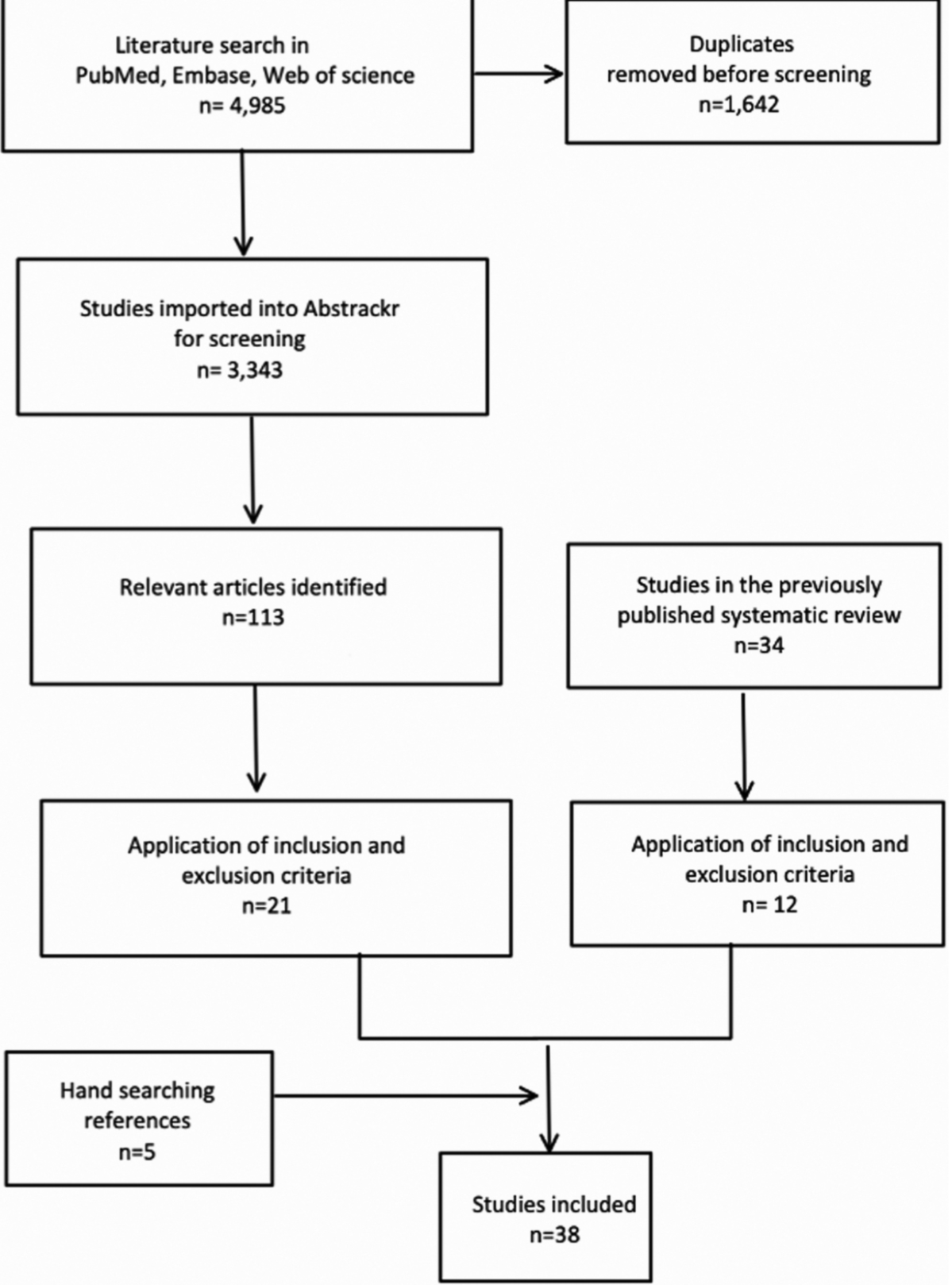
What does this add to what is known?
Our findings show that hysterectomy with BSO at any age reduces the risk of ovarian cancer and that hysterectomy with BSO at a young age is associated with a reduced risk of breast cancer. Nevertheless, this risk reduction should be balanced against the possible increase in the risk of CVD, colorectal cancer, and all-cause mortality in young women. Furthermore, more evidences on the efficacy of hormone replacement therapy in mitigating the adverse effects of the premature cessation of estrogen are needed.
Conclusion:
Hysterectomy with bilateral salpingo-oophorectomy was associated with multiple long-term outcomes. The benefits of the addition of bilateral salpingo-oophorectomy to hysterectomy should be balanced against the risks.
Do you know a child who has been bereaved by cancer?

The Irish Cancer Society has partnered with Barretstown to run a camp, from Sept 29th – Oct 1st, helping children who have lost a parent to cancer.
Please contact Amy Nolan at anolan@irishcancer.ie for more info
Early detection of cancer

Early detection of cancer makes treatment more likely to be successful.
Here’s a reminder of some of the most common signs & symptoms. Remember, these signs can be linked to other conditions too, but it’s important to talk to your GP if they persist for 3 weeks or more
https://x.com/BreakthroCancer/status/1702698796801556671?s=20
 Lynch Syndrome Ireland