Cancer treatment in the last 6 months of life: when inaction can outperform action

The implications of the decision to treat a terminally ill patient are multidimensional, but the ultimate goal should be to help patients with a peaceful life-death transition.

To that end, education and training of oncologists on end of life care, managing expectations of patients and communication skills are important, as is the role of the media in promoting the importance and complexities of navigating quality end of life care and discouraging the ‘war’ metaphor for cancer.

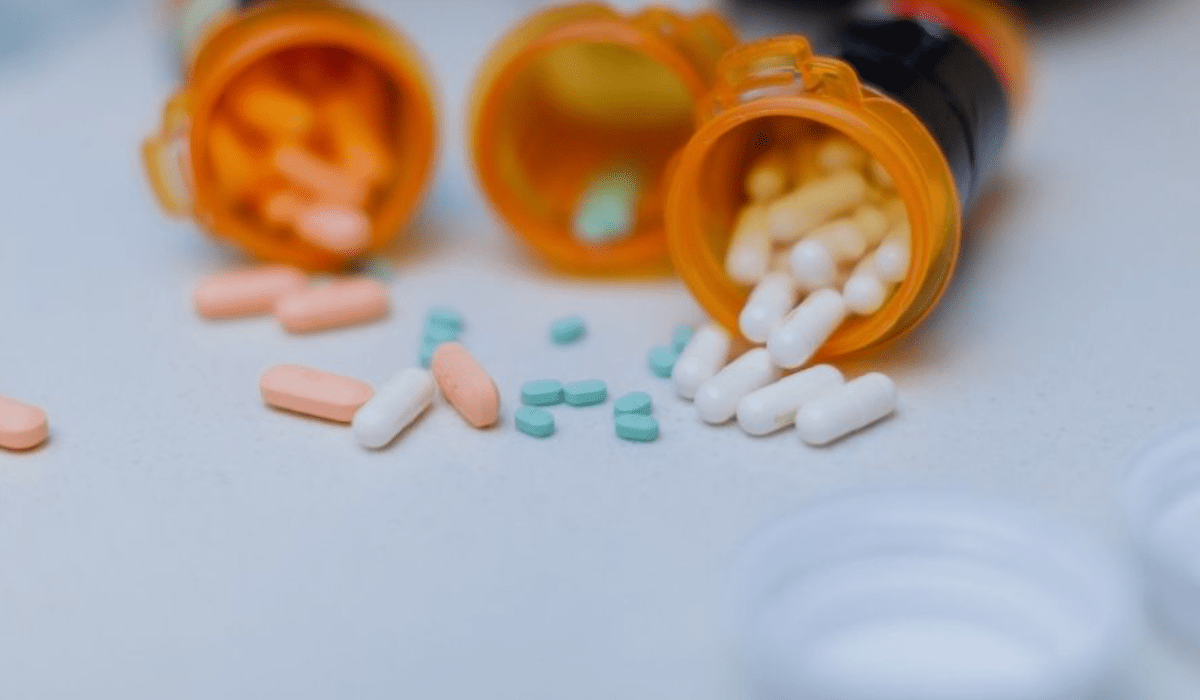
It is also the case that prescribing drugs in the last 6 months of life constitutes a substantial proportion of total healthcare costs, and we may be able to avoid some of these costs if patients better understand the benefit/risk trade-off offered by anticancer drugs tested in this population.

https://ecancer.org/en/journal/article/826-cancer-treatment-in-the-last-6-months-of-life-when-inaction-can-outperform-action

Yes, I still think about cancer every day!

“There is wisdom in survival. There is wisdom in grief, in forgiveness, in having lived through things that could have broken me. That wisdom doesn’t belong in a drawer. It belongs in the world, where it might do some good.”

Cancer treatment is hard. Life when active treatment ends can be harder. In other words, the work continues. We all do this work and incorporating differently.

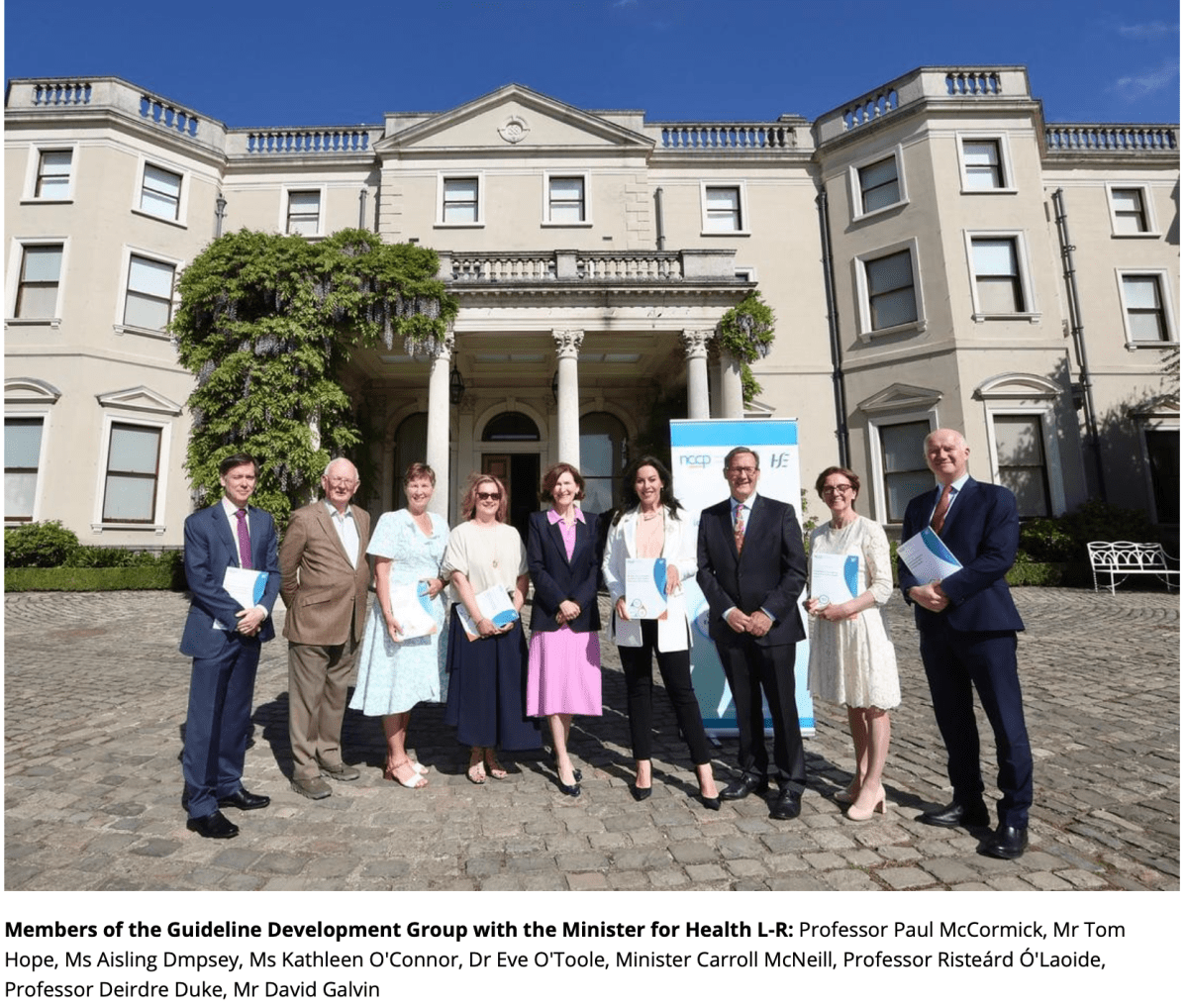
NCCP launches three HSE National Clinical Guidelines

The previous and current National Cancer Strategies recommend that the NCCP develop guidelines for cancer care to improve the quality of care delivered to patients.

https://www.hse.ie/eng/services/list/5/cancer/news/nccp-launches-three-hse-national-clinical-guidelines.html

To date, nine national clinical guidelines for cancer have been developed, with various updates throughout the years and further updates to continue.

National Clinical Guidelines play a pivotal role in shaping cancer care. They offer patient-centred, evidence-based recommendans that enhance the quality of care provided to patients. They also empower patients to actively participate in decisions relating to their care.

The NCCP recognises the importance of patient input and their role as key stakeholders in developing guidelines. Several patients were invited to contribute to the development of these guidelines which has helped to capture important quality of life issues and patient values.

The guidelines are intended for use by all healthcare professionals involved in multiple stages of the cancer pathway for the three most common cancers in Ireland. They will also be of interest to patients undergoing diagnosis, staging and treatment of these cancers, and their families and carers.

https://hli.ie/cancercare/guidelines

Awash in a Sea of Cancer Misinformation

Experts warn a lot of the information patients encounter online could do much more harm than good

Just because a post has a lot of views or likes, doesn’t mean the information it contains is accurate. In fact, the opposite may be true.

The internet is full of posts and sites designed to sell supplements or other products that supposedly treat or prevent cancer. In that case, a patient may spend hundreds or even thousands of dollars on unproven, often useless products, but there are other, more serious risks to following bad information online.

To get the most current and accurate information pertaining to your unique diagnosis, you should turn first and often to the medical professionals on your cancer care team.

https://www.nextavenue.org/awash-in-cancer-misinformation/

Immune Checkpoint Inhibitors and Their Side Effects

Checkpoint inhibitors don’t kill cancer cells directly. They work by helping the immune system to better find and attack the cancer cells, wherever they are in the body.

Part of how the immune system does this is by using “checkpoint” proteins on immune cells. The checkpoints act like switches that need to be turned on (or off) to start an immune response.

But cancer cells sometimes find ways to use these checkpoints to avoid being attacked by the immune system. Medicines can be designed to target these checkpoint proteins.  These drugs are called immune checkpoint inhibitors 

It’s very important to report any new side effects to someone on your health care team as soon as possible. If serious side effects do occur, treatment may need to be stopped and you might be given high doses of corticosteroids to suppress your immune system..

https://www.cancer.org/cancer/managing-cancer/treatment-types/immunotherapy/immune-checkpoint-inhibitors.html

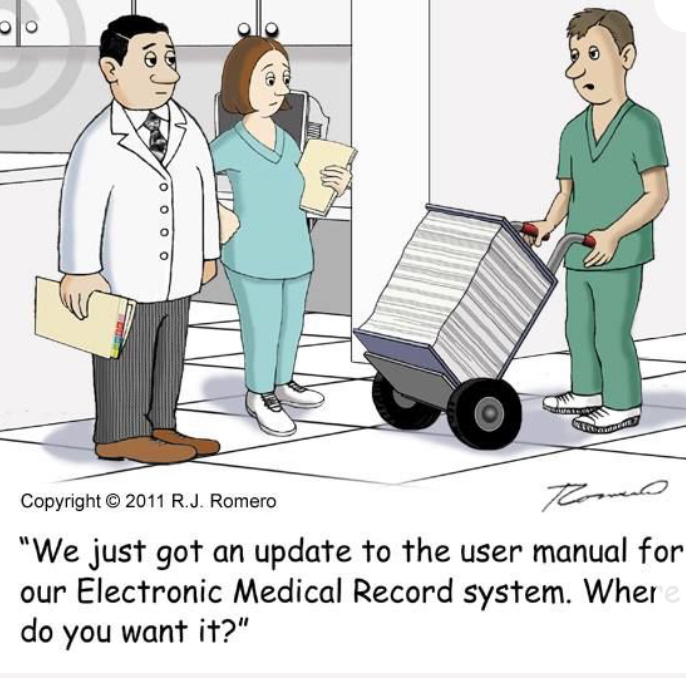
Health plan pledges new records of every patient

AN ELECTRONIC healthcare record for all patients, allowing a range of information on their medical history to be automatically called upon, is promised under a new health plan launched yesterday.

“We have been criticised in the past for producing strategies without funding. This has the envelope of money with it,” the minister insisted.

A Health Information and Quality Authority will also be established and this will play a major role in implementing the contents of the strategy.

Another Authority? Will this help or hinder???

Call for people to mind their gut health and not ignore heartburn ahead of World Barrett’s Day

Barrett’s Oesophagus is a potentially pre-cancerous, inflammatory disease that affects the lining of the oesophagus (that is the 12-inch food pipe or gullet connecting your mouth to your stomach).

While it is estimated that over 35,000 people in Ireland could have Barrett’s, the majority are unaware, undiagnosed and possibly under the illusion that persistent heartburn or reflux is no big deal.

Furthermore, they don’t go to the GP and are treating it themselves with over-the-counter antacids for far too long, according to OCF.

Role of industry in drug ‘delays’ should be acknowledged

The timetable for access to new drugs in Ireland is “significantly” influenced by decisions made by the pharmaceutical industry, according to Prof Michael Barry, Clinical Director of the National Centre for Pharmacoeconomics (NCPE).

Medicines are often launched in larger European countries before Ireland. Prof Barry highlighted that the HSE has “nothing to do” with the decisions of the pharmaceutical industry.

@mccarthymt7 “When a process is designed to cause delays, and it results in delays”

What Is Peripheral Neuropathy?

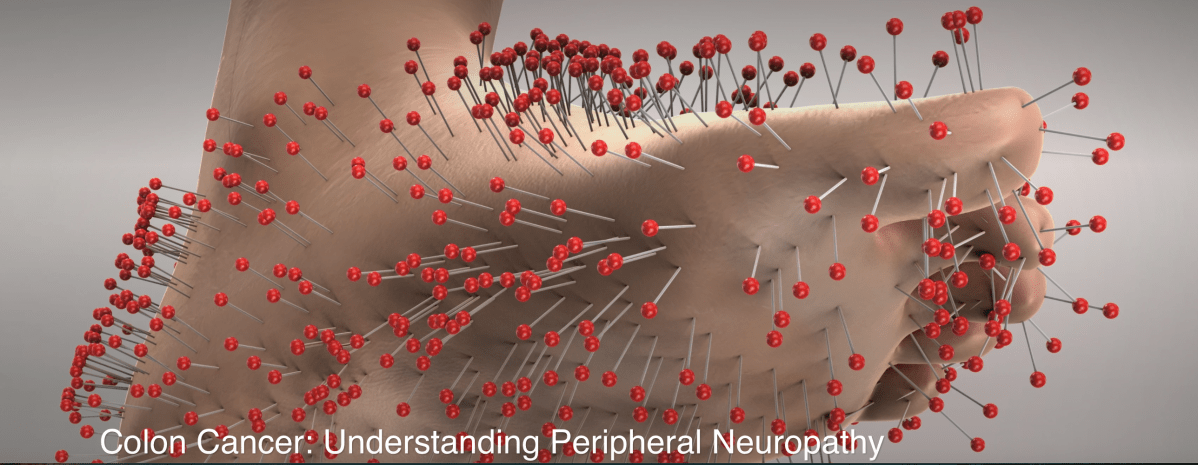
If you’ve received chemotherapy as part of your colon cancer treatment, one of the side effects you may experience is numbness and tingling in you extremities, also known as peripheral neuropathy. It is damage to the nerves that transmit signals between the extremities and the central nervous system.

If you have numbness and tingling in your fingers or toes, notify your doctor immediately. Addressing peripheral neuropathy at the onset of symptoms can prevent a long-term problem. The numbness and tingling are the symptoms most often associated with peripheral neuropathy, though other symptoms exist. These include weakness, pain in the arms, hands, legs and/or feet, and abnormal sensations such as burning, tickling, pricking or tingling

Oxaliplatin chemotherapy, as well as other drugs for the treatment of colon cancer may cause peripheral neuropathy. 

https://news.cancerconnect.com/colon-cancer/colon-cancer-understanding-peripheral-neuropathy