“Patients will die waiting for cancer treatment” – advocate

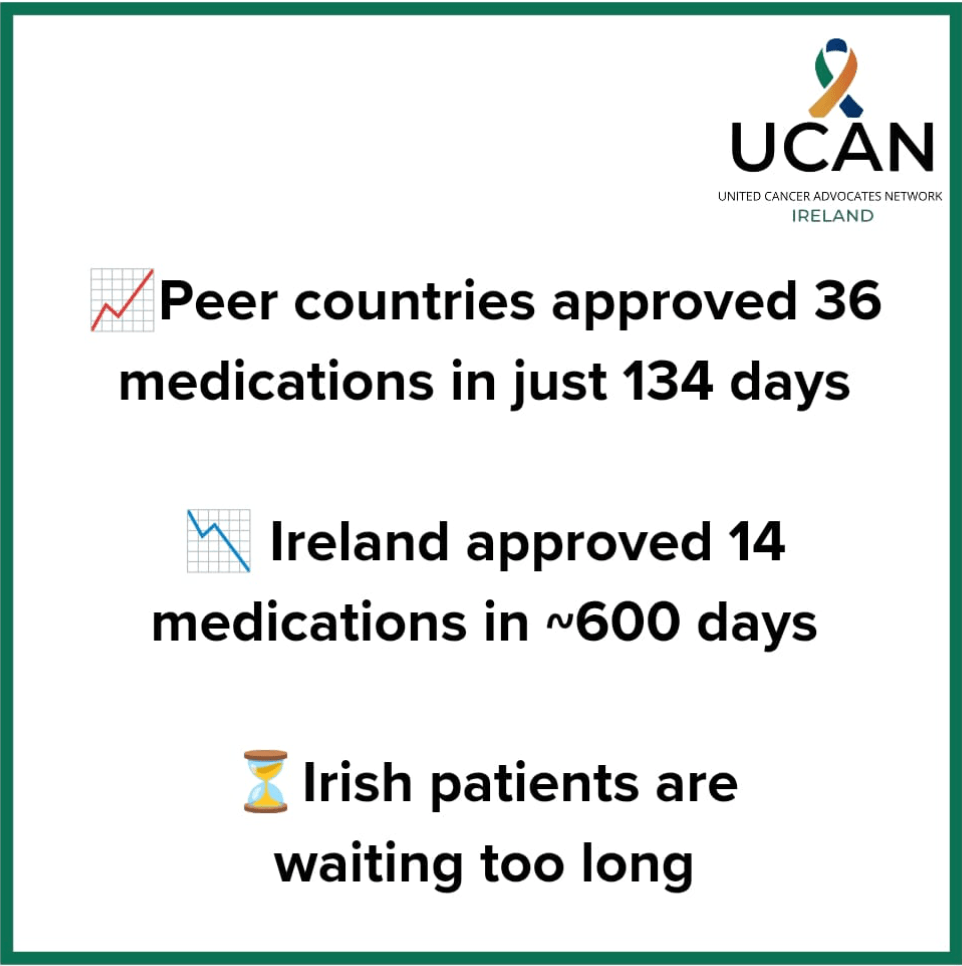
A study showed Ireland has the lowest availability for new cancer medicines in Western Europe. Of the 56 oncology medicines which were granted a European Medicines Agency (EMA) licence since 2020, only 14, or 25%, are currently available in Ireland.

It comes as figures show Ireland has the lowest availability for new cancer medicines in Western Europe, according to the Irish Pharmaceutical Healthcare Association (IPHA).

The United Cancer Advocates Network (UCAN) said there is no early access scheme in Ireland, so Irish patients are forced to wait for full assessments and negotiations with drug companies to take place.

“Medical Oncologists have a very peripheral role (and very little influence) in the HSE system for drug reimbursement. So far, to my knowledge, every approach made by medical oncologists to the HSE to address this issue has been listened to but ignored fully.” @mccarthymt7

https://www.rte.ie/news/health/2025/0507/1511477-cancer-drugs-ireland/

InSight

The International Society for Gastrointestinal Hereditary Tumours (InSiGHT) is a multidisciplinary scientific organisation, whose mission is to improve the care of patients and families worldwide with any hereditary condition resulting in gastrointestinal tumours.

They have nearly 300 members, including scientists, clinicians and other healthcare professionals, from all parts of the world.

Lynch Syndrome Risks

The Prospective Lynch Syndrome Database (PLSD) now provides the most accurate estimates of cancer risks in LS, both in individuals who have yet to develop a cancer and those who have survived a cancer. An individual’s risks can be found according to their age, gender and the underlying gene.

Lynch syndrome-related tumours include:

  • Colon and rectal cancer
  • Endometrial cancer
  • Small intestine cancer (MSH2 & MLH1)
  • Hepato-biliary and pancreatic cancer (MSH2 & MLH1)
  • Gastric cancer (MSH2 & MLH1)
  • Ovarian non-serous cancer (MSH2 & MLH1)
  • Renal pelvis and ureter cancer (MSH2 & MSH6)
  • Bladder cancer(MSH2 & MSH6)
  • Sebaceous gland cancer (and adenoma – Muir-Torre syndrome)
  • Prostate cancer (MSH2)
  • Breast cancer (MLH1)
  • Central nervous system cancer

The risks associated with some EPCAM deletions appear not to be restricted to GI cancers.

https://www.insight-group.org/about/

Digital for Care 2030 Overview

With the focus on the evolving needs of patients and their families, Digital for Care 2030 will ensure that healthcare professionals have access to modern digital tools for delivering better, safer care. Explore more by clicking on the tiles below to discover the key elements of Digital for Care. 

The aim is to implement the work outlined collaboratively by both the Department of Health and the HSE to digitally transform our health services into a modern, integrated care system which will:    

  • Improve delivery of safe patient care. 
  • Deliver better health outcomes and access to care.  
  • Make all relevant data available to patients to manage their health more effectively. 
  • Allow for more capacity in our health services. 
  • Reduce hospital admissions. 
  • Reduce the cost of care. 

https://www.ehealthireland.ie/technology-and-transformation-functions/digital-for-care-2030/digital-for-care-2030-overview/

Eating a nutritious diet is essential during cancer

It is important to remember that keeping well-nourished is vital for recovery, can help you feel better, and your body stays strong and yields many physical and mental benefits.

There is no scientific evidence that following any diet can cure cancer or replace cancer treatment. In recent years there has been a lot of interest in diet and cancer. Complementary or alternative fad diets are often restrictive and make false claims about curing or treating cancer.

After cancer treatment, it is helpful to maintain a healthy body weight to reduce your risk of cancer recurrence, diabetes, and heart disease. If you are considering following a particular diet, discuss it with your doctor or a dietitian.

You can find evidence-based information, resources and recipes to support people with cancer who are in active treatment or post treatment here

https://breakthroughcancerresearch.ie/cancer-diet/

The ins and outs and ups and downs of a colonoscopy

Going for a #colonoscopy?

This popular blog answers your-most asked questions: how to get ready for the test, what you can and can’t eat, what happens and how long the test takes…

https://www2.healthservice.hse.ie/organisation/nss/news/the-ins-and-outs-and-ups-and-downs-of-a-colonoscopy/

HSE Health A-Z

https://www2.hse.ie/conditions/?fbclid=IwY2xjawJkYm5leHRuA2FlbQIxMQABHkFLUBpOydNbjldMlqnKhFD4QPIqKDYAcq9evuEd5_8reM0IMb1AqnvBNIVo_aem_MZRw4PsbrQDiYxV5n49fCA#L

Check out new addition on “Lynch syndrome” thanks to NCCP.

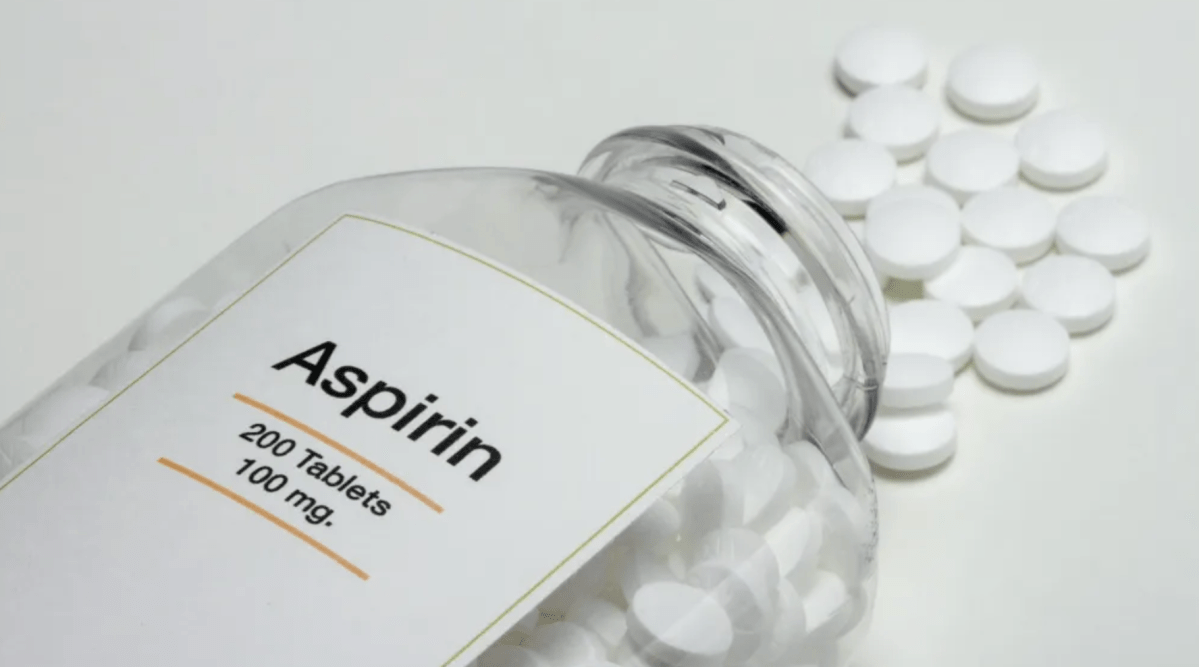
A common drug sitting in your medicine cabinet right now may help fight cancer

It’s been a go-to for headaches, fevers, and sore muscles for over a century. But new research suggests that aspirin—the everyday over-the-counter medication sitting in your cabinet—might also have another, far more unexpected use as an anti-cancer drug.

A 30-year study from researchers at Harvard is catching attention

By analyzing data from over 100,000 people, researchers found that taking aspirin at least twice a week was associated with a reduced risk of colorectal cancer—but especially among people who don’t follow other health guidelines, like eating well or not smoking. So, while it isn’t a mind-blowing anti-cancer drug, it could very well have some promising potential to become one.

These newest findings could point toward a future where aspirin is used strategically based on someone’s genetic makeup and lifestyle risk factors to help treat dangerous cancers. However, there’s still reason for caution (Aspirin carries several known side effects, including the risk of stomach bleeding, especially in people over the age of 70. That’s why researchers are increasingly calling for personalised guidelines rather than blanket recommendations when treating it as an anti-cancer drug)

https://bgr.com/science/a-common-drug-sitting-in-your-medicine-cabinet-right-now-may-help-fight-cancer/

Presentation: Patient with a genetic diagnosis of Lynch syndrome

Attention GP’s

Lynch syndrome is an inherited colorectal cancer condition that confers a high risk of developing other cancers. It is essential to identify the causative gene variant before making management recommendations.

https://www.genomicseducation.hee.nhs.uk/genotes/in-the-clinic/presentation-patient-with-a-genetic-diagnosis-of-lynch-syndrome/

Navigating Patient Vulnerability During Medical Procedures

The person actually taking a sharp object to cut me open to remove my port, he never introduced himself to me.

This act of restraint heightened feelings of vulnerability and helplessness.

No one acknowledged that I was speaking.

It’s scary to be so vulnerable, no matter how old you are, no matter how many procedures you endure, especially when you’ve never met the person performing it and can’t see.

I couldn’t anticipate the impact.

The doctor who performed the procedure never came to talk to me.