Acquired vs. Inherited Mutations in Cancer: What You Need to Know 

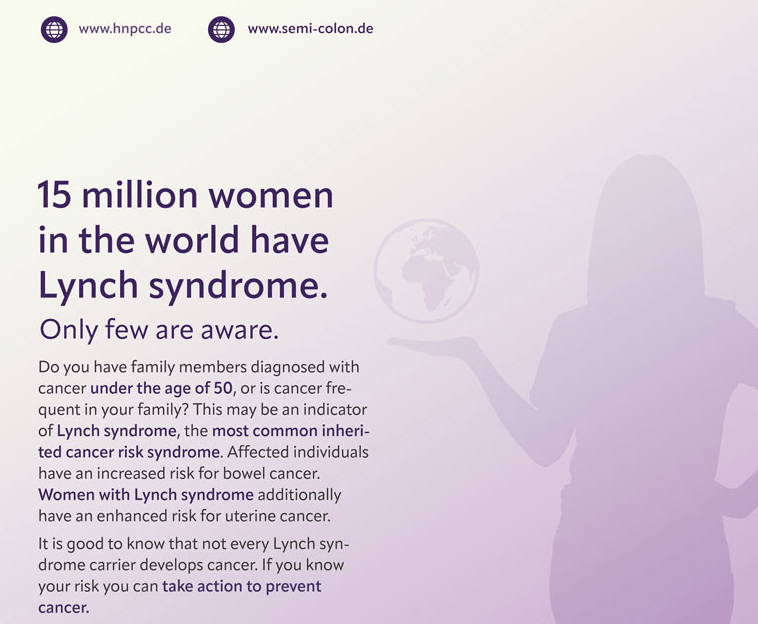
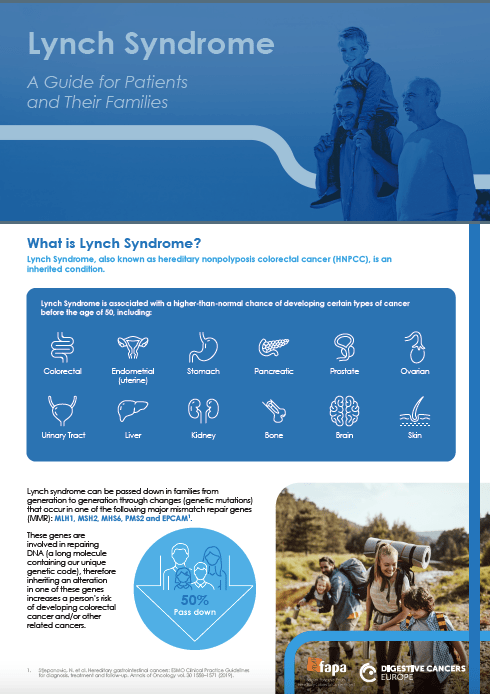
An example of an inherited risk of cancer is Lynch syndrome. A person with Lynch syndrome has an elevated risk of colorectal, endometrial, stomach, ovarian, urinary tract, other intestinal cancers, and additional cancers.

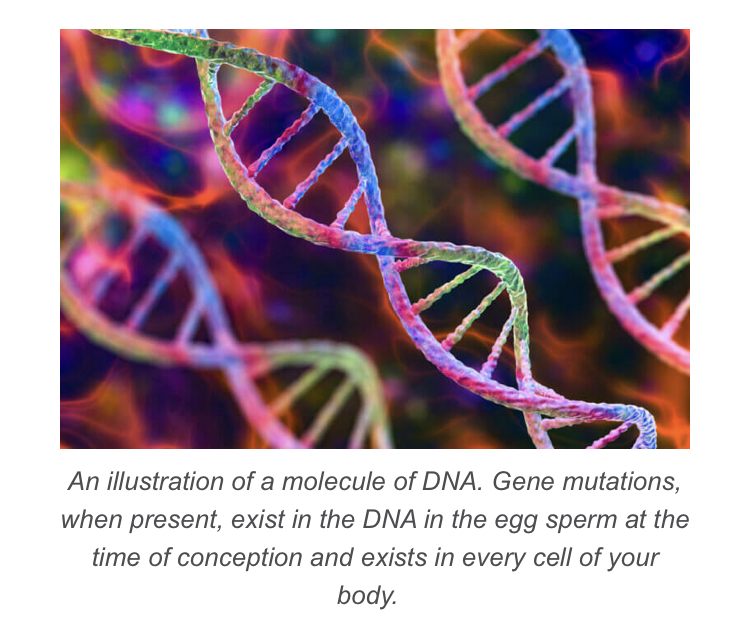
The increased risk is due to a mutation in one of several genes that fix mistakes made when DNA is copied. These genes are called DNA mismatch repair genes. The body has many mechanisms that work hard to prevent DNA copying errors and protect against cancer.

When one of those mechanisms is disabled by mutations, cancer is more likely to occur and at a younger age.

Is Colon Cancer Risk Hiding in Your Genes?

Most people diagnosed with colorectal cancer are at least 65 years old, but I was only 45 when doctors discovered my cancer, which they believed had been growing inside me for at least a decade. As someone who exercises regularly and maintains a healthy diet, I was shocked by my diagnosis. My doctors and I assumed that it was simply a case of bad luck.

“as many as 10% of colorectal cancer patients have an inherited gene mutation that caused their illness. I should know, because I was one of them.”

“I’ve heard people say that they don’t want to get genetic testing because there’s no way to prevent hereditary cancer, therefore it’s better not to know. But that couldn’t be further from the truth.”

https://www.sfgate.com/sponsoredarticles/lifestyle/health-wellness/article/is-colon-cancer-risk-hiding-in-your-genes-17816195.php

Lynch Syndrome Cancer Risk to Age 70

Individuals with Lynch syndrome are at increased risk for multiple cancer types (common ones shown here). Note: MLH1 has the highest pancreatic cancer risk, MSH2 has the highest urothelial & prostate cancer risk, & PMS2 risks are mainly CRC & EC.

Lynch Syndrome: Know your risk | Dana-Farber Cancer Institute


Dana-Farber’s Matt Yurgelun, MD, discusses Lynch Syndrome research and the challenges of a Lynch Syndrome diagnosis. Dana-Farber’s Lynch Syndrome Center offers genetic testing to help identify Lynch Syndrome carriers who may be at increased risk for a variety of cancers.

What is Lynch Syndrome?

Be aware of gene changes and cancer in your family and take part in screening to reduce your risk of cancer.

https://www.cancer.ie/node/982

MSH2 is the very young onset ovarian cancer predisposition gene, not BRCA1

Our study has shown that while the genetic predisposition for many early onset ovarian cancers is still unknown, MSH2 is the most important EOC predisposition gene at age <35 years.

The cumulative likelihood of an EOC in MSH2 heterozygotes would appear to be >2% by 35, with this likelihood still below 0.5% for BRCA1 and rare for BRCA2; indeed, two-thirds of cases identified in BRCA2carriers may not have been driven by HRD.

This increased incidence despite the good long-term survival in MSH2 should prompt awareness of the increased risk and consideration for early risk-reduction strategies.

(Flaum N, Crosbie EJ, Woodward ER, et al MSH2 is the very young onset ovarian cancer predisposition gene, not BRCA1 Journal of Medical Genetics  Published Online First: 09 March 2023. doi: 10.1136/jmg-2022-109055)

https://jmg.bmj.com/content/early/2023/03/08/jmg-2022-109055.share

 Lynch Syndrome 

A Guide for Patients and Their Families 

 Lynch Syndrome is associated with a higher-than-normal chance of developing certain types of cancer before the age of 50.

What does it mean to live with Lynch Syndrome? 

thisisGO – Lynch Syndrome

thisisGO.ie is an online personalised resource for you and yours who have been impacted by a gynaecological cancer.

Also an excellent resource for Lynch Syndrome.

National Nursing Workshops: An introduction to Lynch syndrome & the national Lynch syndrome project(UK)

These workshops are aimed at nurses looking for an introduction to Lynch syndrome and the project, and will cover the basics.