Prospective Lynch Syndrome Database

Aims of PLSD

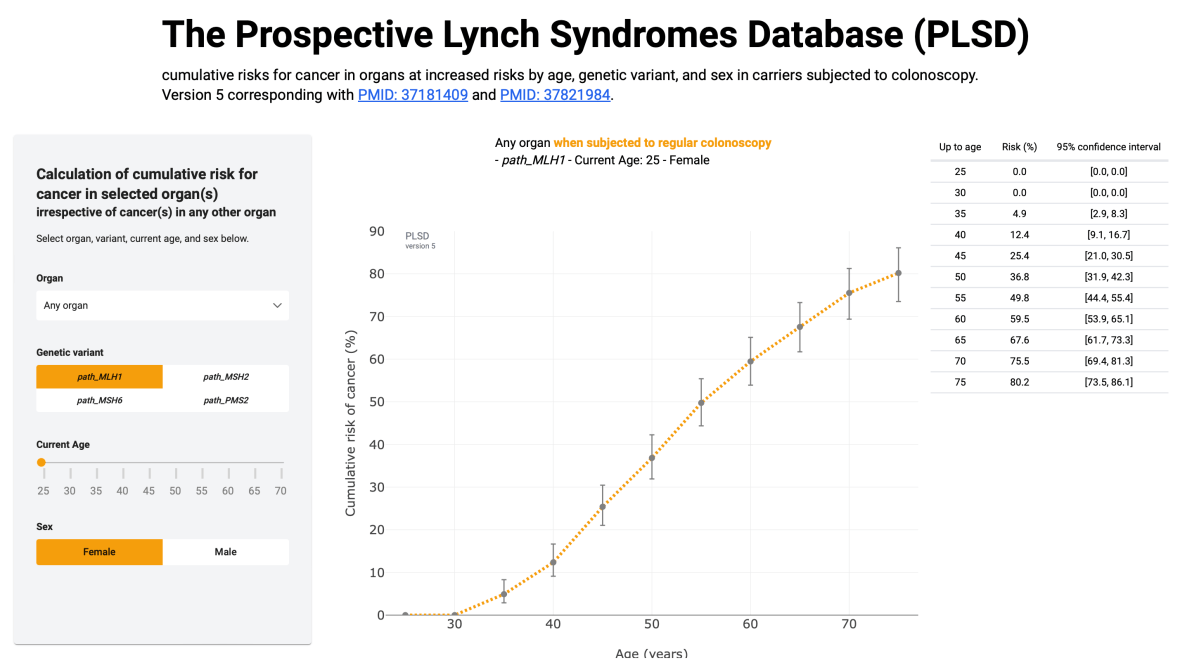
Based on the observation that removal of adenomas with colonoscopy did not reduce CRC incidence as assumed, in 2012 the European Hereditary Tumor Group (EHTG), at that time denoted the Mallorca Group, decided to compile information on follow-up of path_MMR carriers across multiple specialist centres to answer three questions:

  • To what degree does colonoscopy surveillance reduce CRC incidence in path_MMR carriers?
  • What is the penetrance and expressivity of pathogenic variants in each of the four Lynch syndrome-associated genes?
  • What is the survival of carriers when followed-up as recommended, to facilitate early diagnosis and treatment?

path_MMR carriers: Inherited predisposition to colorectal, gynaecological, urinary tract, upper gastrointestinal and other cancers may be caused by pathogenic variants of mismatch repair (path_MMR) genes and commonly referred to as Lynch syndrome.


http://www.plsd.eu

ALTERNATIVES OR ADDITIONS

 “If you think about it, cancer loves stress and anxiety because the body becomes inflamed and therefore patients who engage in mental well-being tactics like counselling and exercise live longer, tolerate chemo more and have a better quality of life. However, anything other than that I do not know.”

It can be overwhelming and frankly too much when we get bombarded with leads on cures, from the potentially sound to the ridiculous and they are generally expensive. That’s why I love exercise, it does so much good, and it is potentially free depending on how you go about it. So please build up to that 150 minutes a week if you can. Ask your physiotherapist in your cancer centre if you need to get advice on how to start. It is never too late.

https://peakd.com/health/@clodaghdowning/alternatives-or-additions

Talking to Loved Ones About Increased Cancer Risk

After learning you inherited a higher risk of cancer, you may want to share your news and feelings with friends and family. Ask your loved ones to listen and support you. Let them know this information gives you the opportunity to take proactive control over your health.

https://www.everydayhealth.com/breast-cancer/how-to-talk-to-family-and-friends-about-hereditary-breast-cancer-risk/

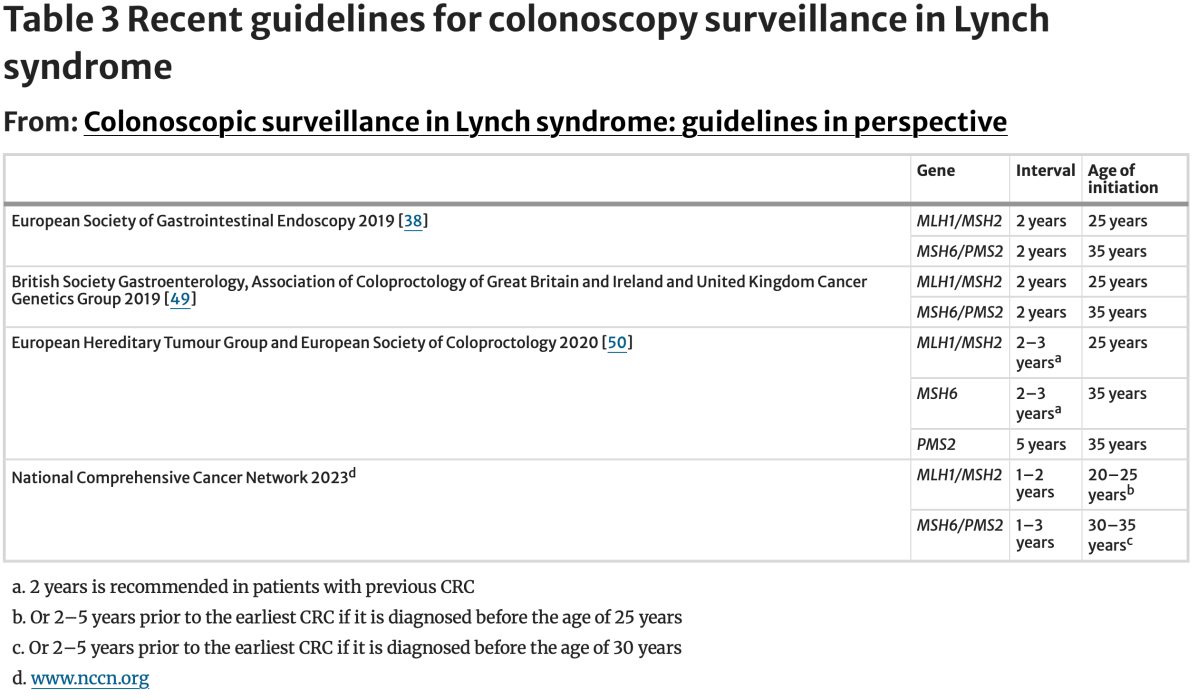
Colonoscopic surveillance in Lynch syndrome: guidelines in perspective

The prevention of colorectal cancer through colonoscopy relies on identifying and removing adenomas, the main precursor lesion. Nevertheless, colonoscopy is not an optimal strategy since post-colonoscopy colorectal cancer remains an important issue.

LS is currently understood as a four clinically distinct syndromes with consistent genotype-phenotype associations. Since CRC lifetime risk varies depending on the mismatch repair gene involved, screening guidelines are evolving to become gene specific. 

Despite recent advancements, the definitive role of colonoscopy in LS has yet to be established. Current evidence of the variable effect of colonoscopy effectiveness depending on quality indicators in LS suggests that the full potential of colonoscopy has not been achieved. 

The coming years are going to be very exciting with the results of the CAPP-3 study that will establish the role of different doses of ASA as cancer prevention, as well as the results of the first trials evaluating the effectiveness and safety of preventive vaccines in LS 

https://link.springer.com/article/10.1007/s10689-024-00414-y#Abs1

Cancer treatments and side-effects

It’s very important to be aware of any changes and let your medical team know about them, even if they happen some time after treatment. There are treatments to help with most side-effects. 

https://www.cancer.ie/cancer-information-and-support/cancer-information/cancer-treatments-and-side-effects/chemotherapy

Colonoscopy and Upper Endoscopy Surveillance in Lynch Syndrome: A Longitudinal Study from a Large Tertiary Healthcare System

Aimed to evaluate colonoscopy and EGD surveillance outcomes and compare CRC surveillance findings by the mutated gene.

Method:

101 patients with LS were included and colonoscopy results were compared by MMR mutation.

Conclusion:

Surveillance colonoscopy outcomes differed in patients with Lynch Syndrome and suggest the need to guide surveillance based on MMR gene mutation.

https://www.ghadvances.org/article/S2772-5723%2824%2900098-0/fulltext

Risk of Gastric and Small Intestinal Cancer in Patients With Lynch syndrome – Data From a Large, Community-Based U.S. Population

This retrospective cohort study included all patients diagnosed with LS between 1/1/1997-12/31/2020 at Kaiser Permanente Northern California. Cumulative incidence of gastric cancer and small intestinal cancer was calculated using competing risk methodology.

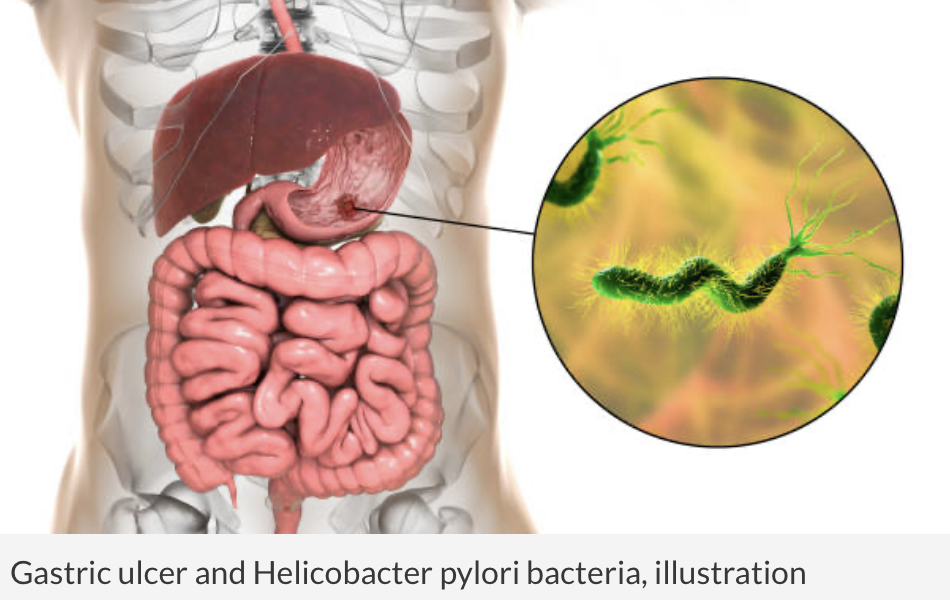
Discussion: Patients with LS, particularly MSH2 and MLH1 PV carriers, had significantly increased lifetime risk of gastric and small intestinal cancer. Testing and treatment of H. pylori should be considered for all patients with LS.

Helicobacter pylori (H. pylori) infection occurs when Helicobacter pylori (H. pylori) bacteria infect your stomach. This usually happens during childhood. A common cause of stomach ulcers (peptic ulcers), H. pyloriinfection may be present in more than half the people in the world.

Most people don’t realize they have H. pylori infection because they never get sick from it. H. pylori infection is treated with antibiotics.

https://pubmed.ncbi.nlm.nih.gov/38920292/

Lynch syndrome is the most common cause of inherited colorectal cancer

How Is Lynch Syndrome Diagnosed?

Lynch syndrome is diagnosed by genetic testing of a blood sample and often involves testing for multiple gene variants.

Prior to genetic testing for Lynch syndrome, individuals should be counseled about screening benefits (early initiation of cancer screening if Lynch syndrome is diagnosed or reassurance if Lynch syndrome is ruled out) and risks (potential difficulty with insurability and psychological consequences of being diagnosed with a genetic disease).

How Is Lynch Syndrome Diagnosed?

People with cancer are waiting too long for treatment in Ireland

Insufficient capacity to deliver existing services is one problem. Insufficient capability to deliver standard-of-care cancer management in key areas is another.

In most areas of cancer care, Ireland is performing well on capability, but there are gaps.

The most obvious gap is the absence of Electronic Healthcare Records. Ireland is 20-30 years behind Europe.

Have you ever had to explain to your GP the results of your scans, the procedures that you underwent, the new medications that you are now taking following an extended stay in hospital?

That is probably because the letter hasn’t arrived in the post yet.

It is not your GP’s fault.

The first step in securing the quality of cancer care that we deserve is a commitment to provide the NCCP(National Cancer Control Programme) with predictable and ring-fenced multi-year funding to deliver the agreed National Cancer Strategy.

https://www.thejournal.ie/readme/oncology-wait-treatments-funding-ireland-6432861-Jul2024/

Cancer prevention vaccine (Nous-209) for people with Lynch syndrome

This US study is testing a vaccine, known as the Nous-209 vaccine, which is intended to decrease the chances that people with Lynch syndrome will develop polyps that can turn into cancer. 

People with Lynch syndrome who enroll in the study will participate for one year. It evaluates the safety and effectiveness of the Nous-209 vaccine in people affected with Lynch syndrome.

https://www.facingourrisk.org/research-clinical-trials/study/278/cancer-prevention-vaccine-nous-209-for-people-with-lynch-syndrome