Long-term outcomes of hysterectomy with bilateral salpingo-oophorectomy: a systematic review and meta-analysis

What does this add to what is known?

Our findings show that hysterectomy with BSO at any age reduces the risk of ovarian cancer and that hysterectomy with BSO at a young age is associated with a reduced risk of breast cancer. Nevertheless, this risk reduction should be balanced against the possible increase in the risk of CVD, colorectal cancer, and all-cause mortality in young women. Furthermore, more evidences on the efficacy of hormone replacement therapy in mitigating the adverse effects of the premature cessation of estrogen are needed.

Conclusion:

Hysterectomy with bilateral salpingo-oophorectomy was associated with multiple long-term outcomes. The benefits of the addition of bilateral salpingo-oophorectomy to hysterectomy should be balanced against the risks.

Colonoscopy screening in Lynch syndrome

https://link.springer.com/article/10.1007/s10689-023-00347-y

Evidenced-based modelling studies of gene and gender stratified populations suggest a start age and frequency later and less frequent, for MSH6 and PMS2 variant carriers (35 years and 2–3 yearly). The penetrance of MLH1 and MSH2 variant carriers on the other hand does not allow the later start time at least as agreed in most guidelines. This differential surveillance by gene is now being implemented in various guidelines around the world. Such prescription however needs prudent implementation given variable intragenic and even intravariant penetrance estimates in large studies. Note that the confidence intervals in these estimates is relatively large.

There is still the “here and now” which needs to engage carriers and optimize adherence to whatever scheduling is prudent and advised.

How do we do this?

First, registries. Registries keep track of carriers, can provide automated time alerts for the need to attend scheduling ….Registries save lives.

Secondly, patient navigators. Time and time again it has been shown that navigators personally chaperone carriers through the complexities of the healthcare system, to actually reach colonoscopy. They are worth their cost-benefit weight in gold at least in the syndromic scenarios we are discussing.

Thirdly, a pleasant experience helps maintain adherence – the least offensive and effective bowel preparation, a comfortable colonoscopic experience (sedation is important for adherence), and compassionate staff. Efficient throughput (less time for patients) on the day is also valuable. Bowel preparation regime should be personalized against previous experience.

Fourthly, the governance of the risk management service needs to be comprehensive (not just gastrointestinal), patient-centred, interactive with the patient navigators, general practitioners. associated familial cancer clinics (not losing opportunities for time and age appropriate cascade testing across the family), and hospital electronic medical records.

The current study amongst others is important if we are to benefit from the wealth of science that has been uncovered in the understanding of familial cancer. Minimizing the burden of colonoscopies is an important variable, warranting that debate herein described.

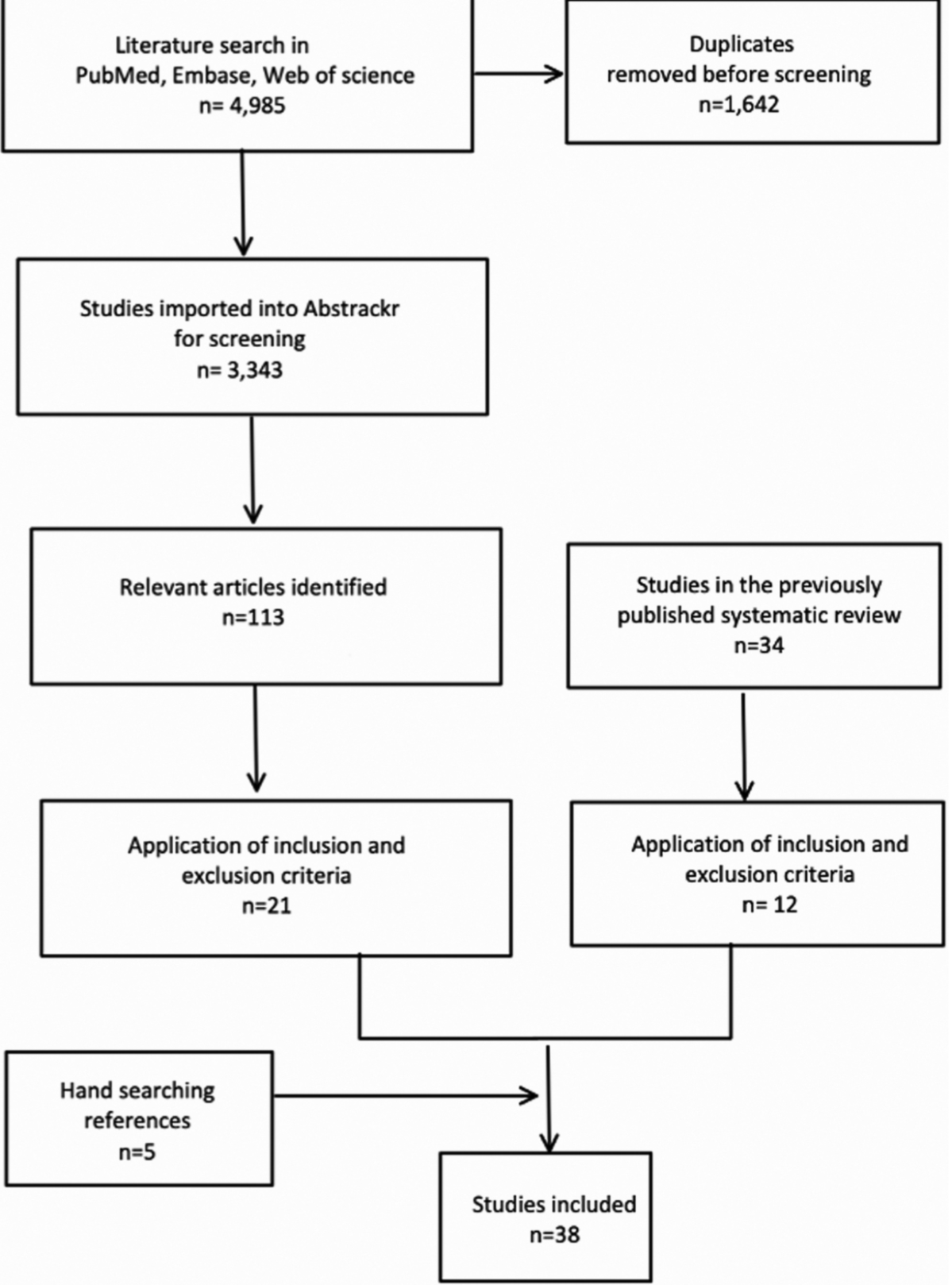
Family history of Colorectal cancer – what’s next?

Expert Guest Kevin Monaghan,Gastroenterologist from @StMarksGenomics with an interest in hereditary bowel cancer.

8th UEG Talks #Podcast episode!

🎙️

http://ueg.eu/podcast Listen to our esteemed host,

@pradeepmundre, and expert guest

@kevinjmonahan

Early detection of cancer

Early detection of cancer makes treatment more likely to be successful.

Here’s a reminder of some of the most common signs & symptoms. Remember, these signs can be linked to other conditions too, but it’s important to talk to your GP if they persist for 3 weeks or more

https://x.com/BreakthroCancer/status/1702698796801556671?s=20

#GOforTesting #GOforPrevention

What do negative results from a genetic test mean?

Sounds like good news. Negative test results means that the laboratory didn’t find any mutations in one´s 🧬 DNA that are known to increase the risk of developing cancer.

☝️ But don’t forget! It is still necessary to undergo regular check-ups and take care of your health every day.

The Big Prostate Quiz

Stand Up for Your Prostate and take the Big Prostate Quiz this Blue September to check if you need to be more aware of your prostate health. It will take less than 5 minutes to take the Quiz, about the same time it takes to get your PSA Checked!

We are asking the men of Ireland to once again to Stand Up for Your Prostate.
Get your PSA checked once you reach the age of 50 or at 45 if you have a family history of Prostate or Breast Cancer. It could save your life.

Does Colon Cancer run in YOUR Family?

The genetic risk for colon and rectal cancer.

  • The risk of developing colorectal cancer increases 2-3 times when a parent, sibling, or child is diagnosed compared to those with no family history.
  • The risk increases 3-6 times over the general population, when a relative is diagnosed at a young age or if there is more than one relative with colorectal cancer.
  • About 20% of all colorectal cancer patients have a close relative who was also diagnosed with the disease.
  • About 5% of patients with colorectal cancer have a well-defined genetic syndrome that causes the disease like Lynch syndrome or familial adenomatous polyposis (FAP).  These conditions are linked with higher risks for colon and other cancers.
  • Lynch syndrome accounts for 2- 4% of all colorectal cancer cases.
  • FAP is the second most common predisposing genetic syndrome; for these individuals, lifetime risk of colorectal cancer approaches 100% without intervention.