
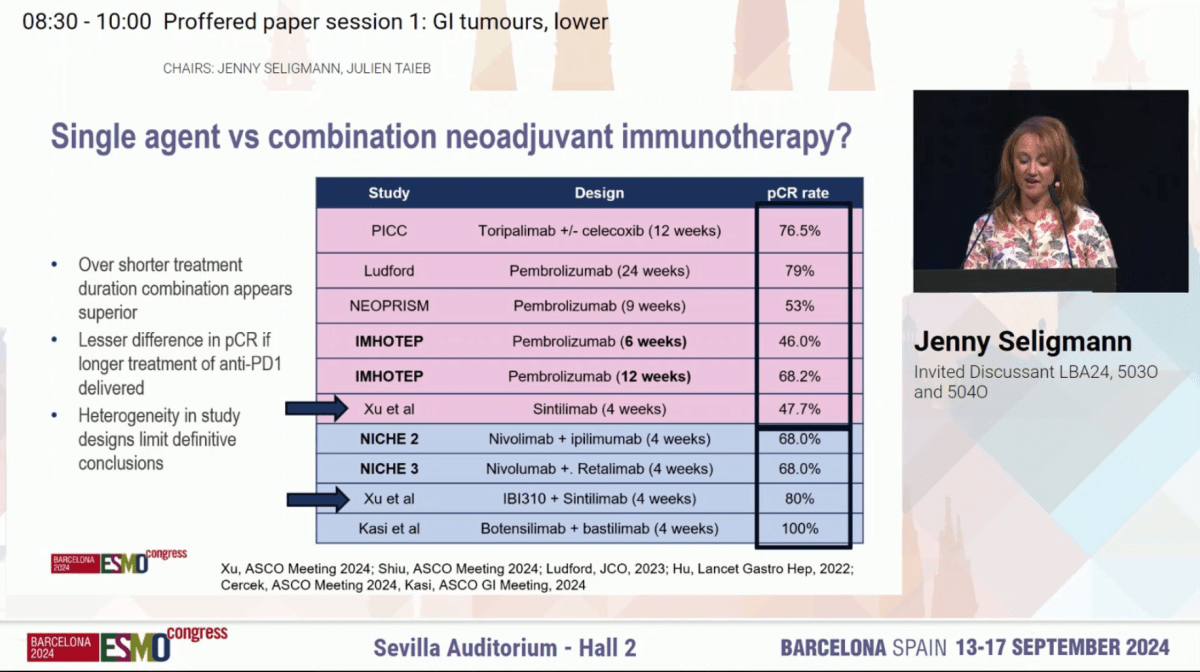
Three-year disease-free survival data from NICHE-2 and findings from NICHE-3 add to current knowledge on the benefits and provide further evidence for neoadjuvant immunotherapy in the treatment of mismatch repair-deficient (dMMR) colon cancer
Category: Research
Understanding Immunotherapy Side Effects
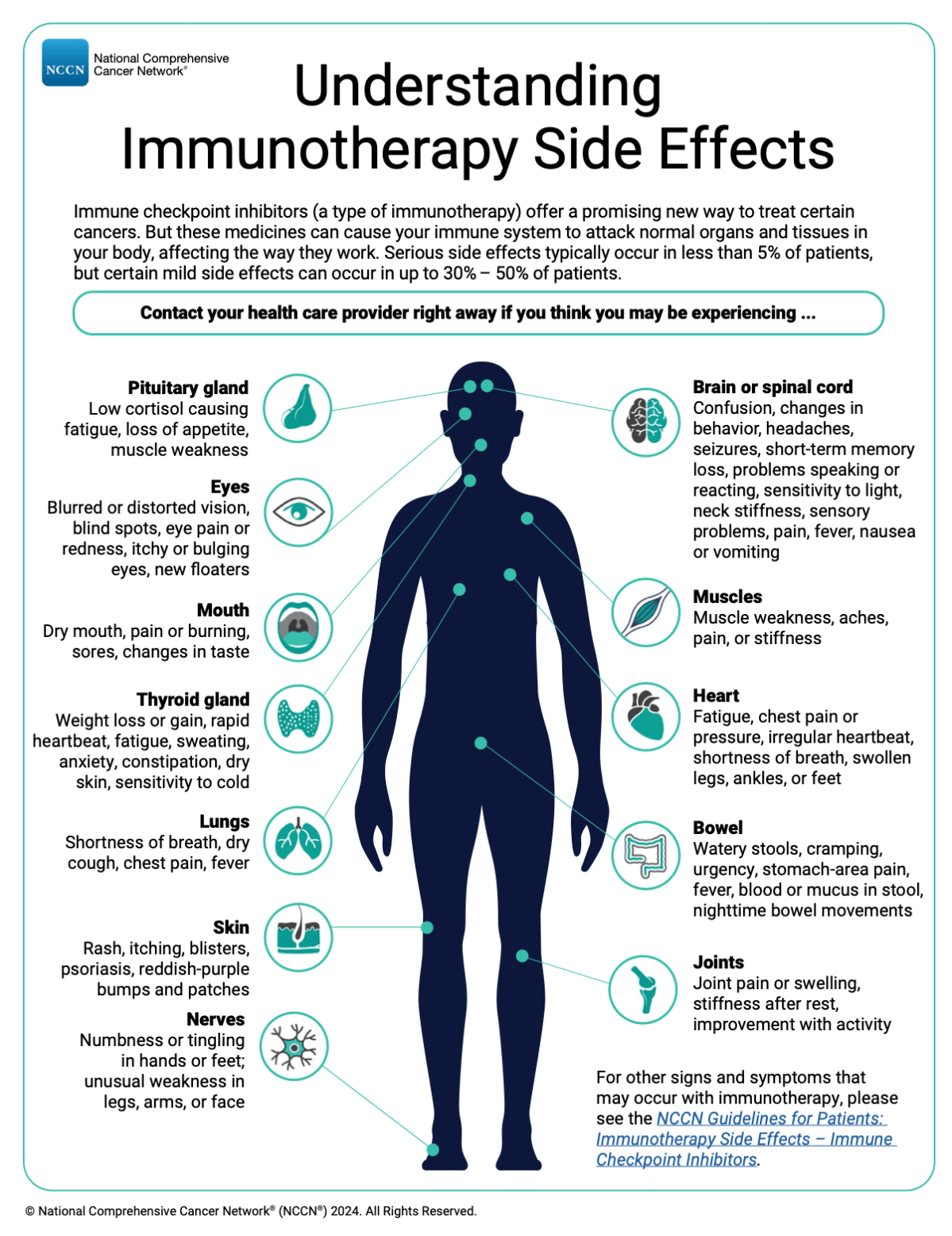
Immune checkpoint inhibitors (a type of immunotherapy) offer a promising new way to treat cancer for some patients. But these medicines can cause your immune system to attack normal organs and tissues in your body, affecting the way they work.
Preventing Lynch Syndrome Cancers: Study Suggests Immunotherapy Could Work….https://www.mskcc.org/news/preventing-lynch-syndrome-cancers-new-study-suggests-immunotherapy-could-work
No matter where your cancer began, side effects from immunotherapy can affect your whole body.
PACE-NODES study -(prostate cancer)

The PACE-NODES study for patients with Prostate Cancer is now re-opened at three sites in Ireland.
About this trial
The purpose of this study is to test an advanced type of external beam radiotherapy called stereotactic body radiotherapy (also known as SBRT) in 536 participants with high risk localised prostate cancer (that is, prostate cancer that has not spread beyond the prostate gland but is at high risk of growing quickly or spreading).
Importantly, this treatment delivers a potentially curative dose of radiotherapy in only 5 treatments over two weeks. Half the participants in the trial will receive radiotherapy to the prostate, the other half will have radiotherapy to the prostate as well as the surrounding lymph nodes. The investigators will follow patients in the trial for at least three and half years to see which treatment is best. The investigators will be looking at whether it is safe to give this treatment by reviewing any side-effects that occur and also assessing whether giving SBRT to the lymph nodes as well as the prostate reduces the chance of prostate cancer returning.
A quarter century of lifesaving discoveries in prostate cancer
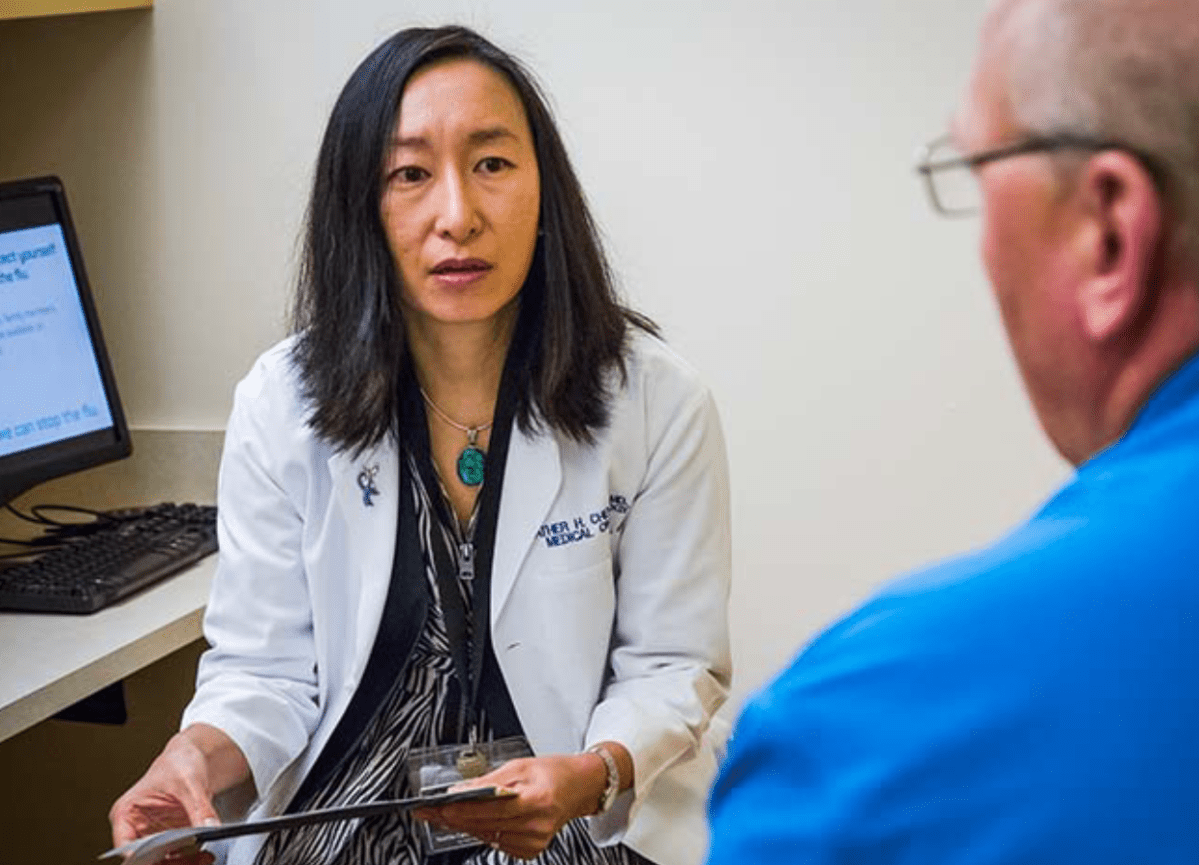
Today, a patient diagnosed with advanced prostate cancer has options.
Doctors can offer a suite of androgen-suppressing drugs to extend his life. There are genetic tests that can show whether he’s a candidate for more-targeted treatments. These tests can also reveal whether his family members are at higher risk for prostate and other types of cancer. This was not always the case.
https://www.fredhutch.org/en/news/center-news/2024/08/pnw-prostate-cancer-spore-renewal.html
Prospective Lynch Syndrome Database
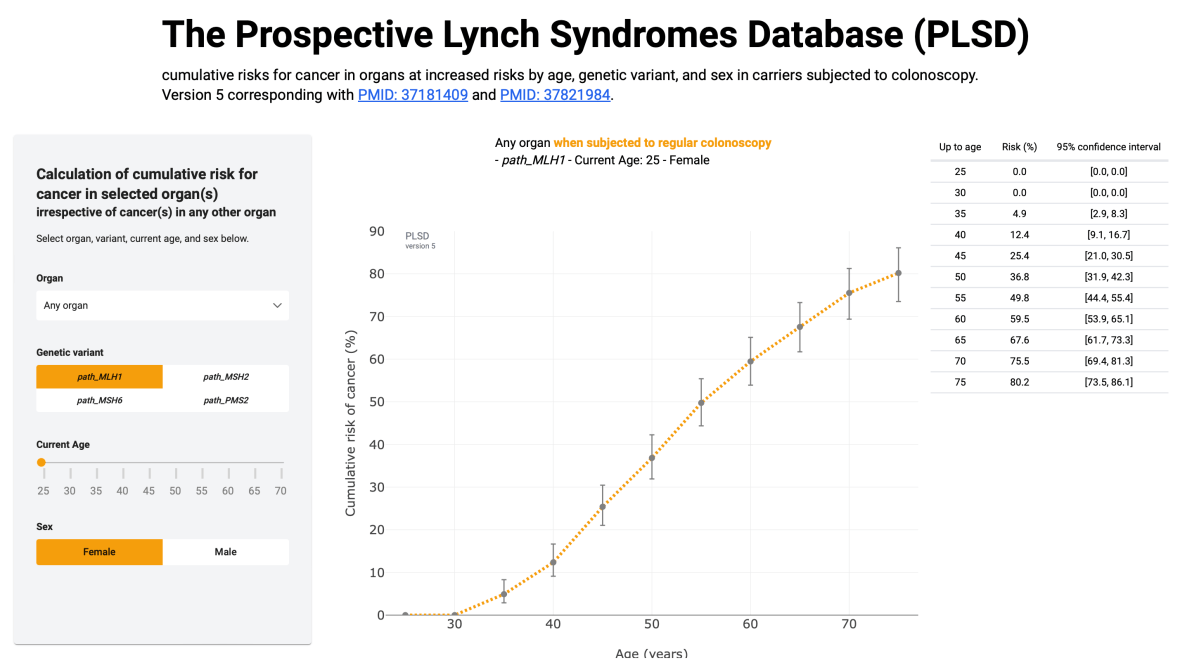
Aims of PLSD
Based on the observation that removal of adenomas with colonoscopy did not reduce CRC incidence as assumed, in 2012 the European Hereditary Tumor Group (EHTG), at that time denoted the Mallorca Group, decided to compile information on follow-up of path_MMR carriers across multiple specialist centres to answer three questions:
- To what degree does colonoscopy surveillance reduce CRC incidence in path_MMR carriers?
- What is the penetrance and expressivity of pathogenic variants in each of the four Lynch syndrome-associated genes?
- What is the survival of carriers when followed-up as recommended, to facilitate early diagnosis and treatment?
path_MMR carriers: Inherited predisposition to colorectal, gynaecological, urinary tract, upper gastrointestinal and other cancers may be caused by pathogenic variants of mismatch repair (path_MMR) genes and commonly referred to as Lynch syndrome.
Colonoscopic surveillance in Lynch syndrome: guidelines in perspective
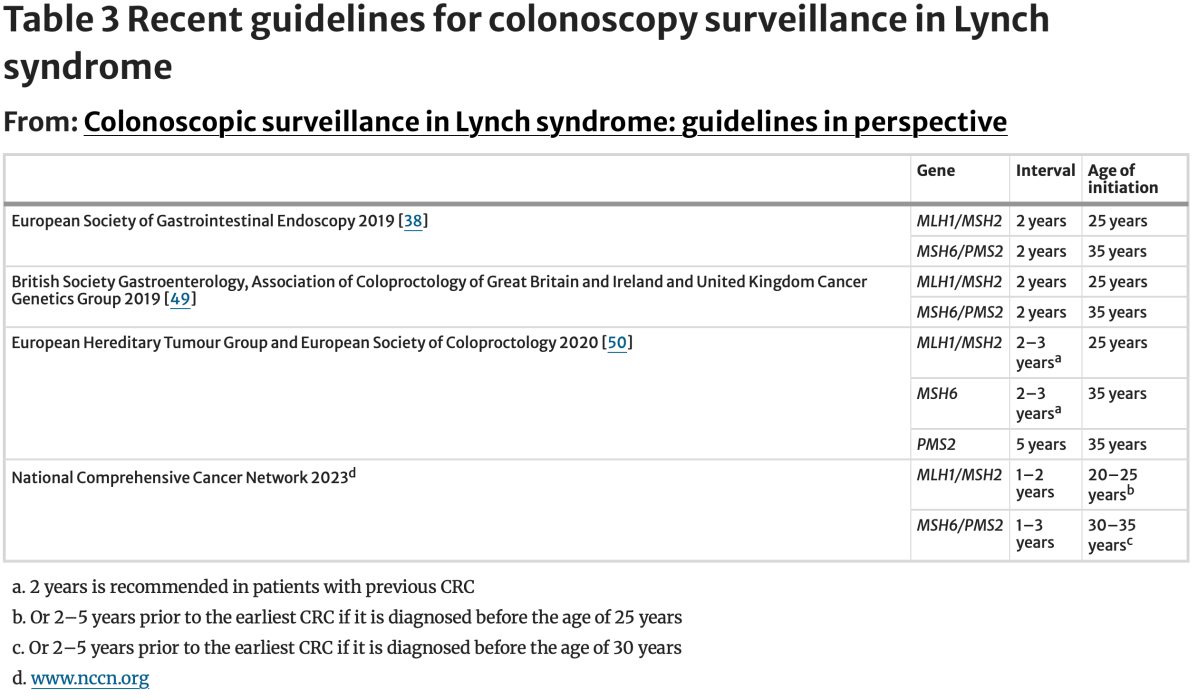
The prevention of colorectal cancer through colonoscopy relies on identifying and removing adenomas, the main precursor lesion. Nevertheless, colonoscopy is not an optimal strategy since post-colonoscopy colorectal cancer remains an important issue.
LS is currently understood as a four clinically distinct syndromes with consistent genotype-phenotype associations. Since CRC lifetime risk varies depending on the mismatch repair gene involved, screening guidelines are evolving to become gene specific.
Despite recent advancements, the definitive role of colonoscopy in LS has yet to be established. Current evidence of the variable effect of colonoscopy effectiveness depending on quality indicators in LS suggests that the full potential of colonoscopy has not been achieved.
The coming years are going to be very exciting with the results of the CAPP-3 study that will establish the role of different doses of ASA as cancer prevention, as well as the results of the first trials evaluating the effectiveness and safety of preventive vaccines in LS
https://link.springer.com/article/10.1007/s10689-024-00414-y#Abs1
Irish Cancer Society’s Research Skills Summer School 2024

2024 Research Skills Summer School in Tullamore!
FREE course, for anyone interested in developing their research skills to apply to attend -led by Dr. Emer Guinan and Dr. Linda O’Neill, is perfect for anyone eager to dive into research – no experience needed! Join one or both blocks!
Apply at: https://brnw.ch/21wLsWL
Enhance Study

You can join the #ENHANCE_study @RCSI_PopHealth @RCSIPsychology
Participation is open to:
Anyone who has experience of seeking, being referred for and/or receiving treatment for #depression after being diagnosed with #cancer (during and/or after treatment).
Healthcare professionals working in #cancer care in #Ireland (e.g., GPs, #physiotherapists, occupational therapists, #voluntary sector cancer care providers, #public health nurses, medical and radiation #oncologists, #psychologists and #psychiatrists, and clinical #nurse specialists). #ENHANCE_study
@RCSI_Irl is led by Dr. @maria_pertl and funded by @IrishCancerSoc and @hseNCCP
Colonoscopy and Upper Endoscopy Surveillance in Lynch Syndrome: A Longitudinal Study from a Large Tertiary Healthcare System
Aimed to evaluate colonoscopy and EGD surveillance outcomes and compare CRC surveillance findings by the mutated gene.
Method:
101 patients with LS were included and colonoscopy results were compared by MMR mutation.
Conclusion:
Surveillance colonoscopy outcomes differed in patients with Lynch Syndrome and suggest the need to guide surveillance based on MMR gene mutation.
https://www.ghadvances.org/article/S2772-5723%2824%2900098-0/fulltext
Gynaecology and Lynch Syndrome
From LS UK Annual Conference 2024
Neil is a Clinical Lecturer and Gynaecology Oncology Surgical Subspecialty Fellow at the University of Edinburgh and NHS Lothian. His passion is to improve the care of those with Lynch syndrome through prevention and personalised treatment.
 Lynch Syndrome Ireland