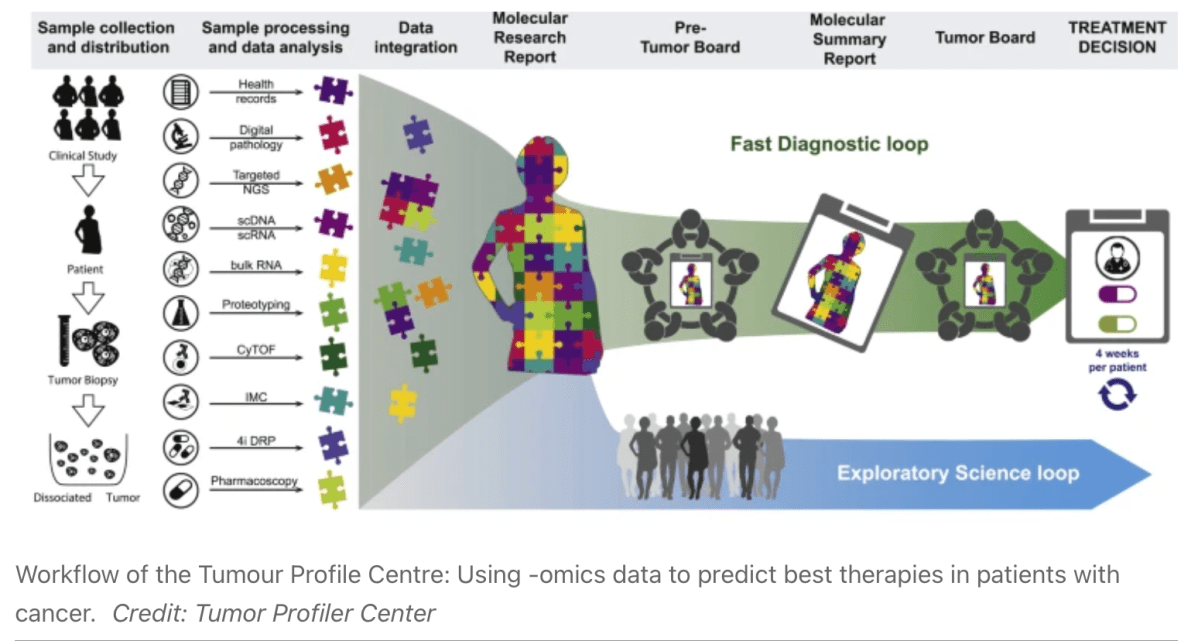
Precision medicine built in Zurich keeps patients in the LOOP

Despite incredible strides taken in cancer medicine over past decades, many patients endure a prolonged journey of trial and error, searching for the treatment that fits their unique needs. Cancer researchers now shift their focus to precision oncology. This method delves into the intricate details of each patient’s cancer, uncovering specific mutations and molecular mechanisms. The goal is to develop personalized, tailored treatments, ensuring that the right drugs are given at the right time.

Cross-institutional and cross-disciplinary approach allows synergies between the researchers, and more efficient use of resources.

The direct challenge is the fact that cancers are heterogenous, and the metastatic tumour often has a different molecular profile to the original,” says Beck Schimmer. This means that each tumour is like a rare disease, making it hard to stratify patients for clinical trials or for treatment.

The indirect challenges include the legal, ethical and security issues with the vast quantities of data, along with the costs,” she adds. “We can’t change the indirect challenges, but we can support the research.”
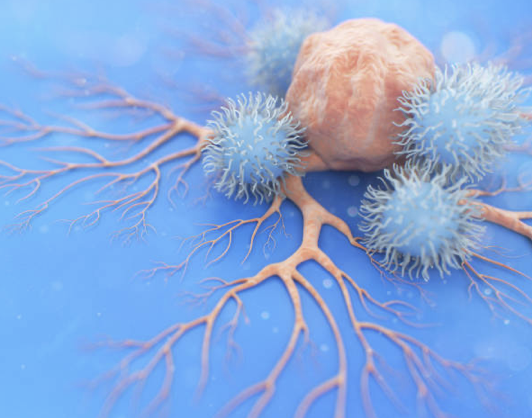
Neoadjuvant Immune Checkpoint Inhibitor Therapy for Localized Deficient Mismatch Repair Colorectal Cancer

Colorectal cancers (CRCs) with deficient DNA mismatch repair (dMMR) account for 15% of all CRCs. Deficient MMR is a predictive biomarker associated with responsiveness to immune checkpoint inhibitors (ICIs) in solid tumors, including CRC. The remarkable effectiveness of ICIs in metastatic CRC has led to their evaluation in the neoadjuvant and adjuvant treatment of localized disease.

Conclusions and Relevance:

 While this review found that early results of neoadjuvant immunotherapy for localized dMMR CRC show high rates of major and complete pathological response, longer-term follow-up data are needed to ensure that oncologic outcomes are not compromised and are ideally improved. Neoadjuvant ICI therapy in localized dMMR CRC represents a potential paradigm shift with implications for organ preservation.

https://jamanetwork.com/journals/jamaoncology/article-abstract/2809269

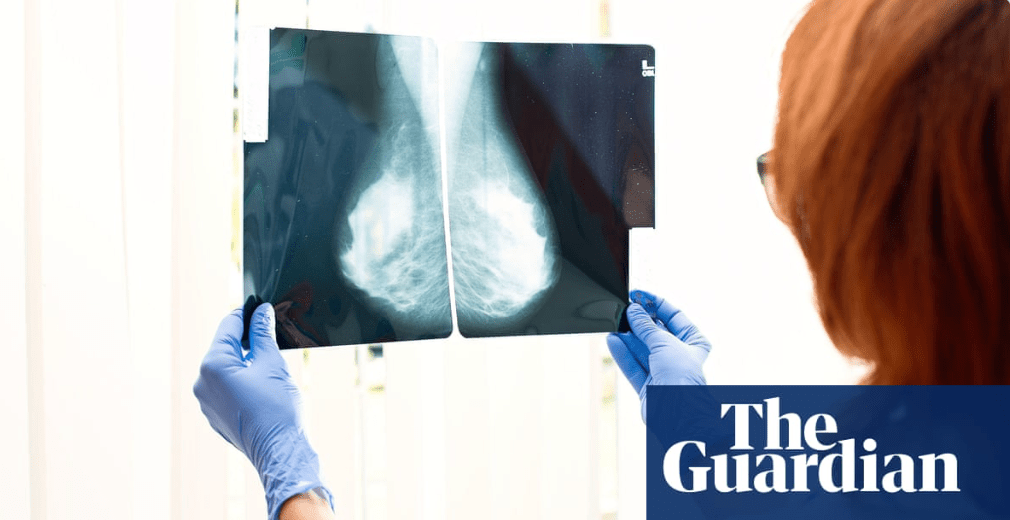
Consumer genetic test results ‘causing unnecessary breast cancer alarm’

Consumer genetic test results ‘causing unnecessary breast cancer alarm’… this is why pre- and post-test counselling is crucial!

This latest study suggests that the risk carried by BRCA variants depends on secondary genetic factors, meaning family history is crucial for understanding an individual’s risk.

https://www.theguardian.com/society/2023/sep/15/consumer-genetic-test-results-causing-unnecessary-breast-cancer-alarm?CMP=Share_iOSApp_Other

European Hereditary Tumour Group(EHTG)

EHTG has a track record of expanding guidelines and practises the concept of “dynamic guidelines”. This concept means that whenever evidence has been produced in the published literature that should lead to a change of previous guidelines and is relevant for the clinical management of a syndrome, EHTG will ask for a revision of the corresponding chapter. 

Welcome everybody interested to get actively involved and join them in these efforts to improving our knowledge in the field of hereditary predisposition to cancer and to implement this knowledge for improved clinical care. This effort embraces all clinical disciplines!

https://www.ehtg.org/guidelines.php

Unlocking the Potential of Patient Registries: A Guide for Success

Patient registries play a crucial role in enhancing healthcare and health outcomes, serving as vital foundations for developing and maintaining research networks and projects. 

Risk-stratified faecal immunochemical testing (FIT) for urgent colonoscopy in Lynch syndrome during the COVID-19 pandemic

Lynch syndrome is a hereditary cancer disease resulting in an increased risk of colorectal cancer. Findings are reported from an emergency clinical service implemented during the COVID-19 pandemic utilising faecal immunochemical testing (‘FIT’) in Lynch syndrome patients to prioritise colonoscopy while endoscopy services were limited.

Fifteen centres participated from June 2020 to March 2021. Uptake was 68.8 per cent amongst 558 patients invited.

Conclusion

FIT demonstrated clinical value for Lynch syndrome patients requiring colorectal cancer surveillance …. Further longitudinal investigation on FIT efficacy in Lynch syndrome is warranted and will be examined under the ‘FIT for Lynch’ study (ISRCTN15740250).

https://academic.oup.com/bjsopen/article/7/5/zrad079/7260320?login=false

AliveAndKickn Podcast – Dr Jose Perea 

“I talk with Dr Jose Perea Garcia, Digestive Surgeon as well as cancer researcher in MadridWe talk about how surgery has evolved and management of the Lynch Syndrome patient compared to sporadic casesWe compare some protocols and coverage in the US vs elsewhere such as Spain where there is government run.  Urban vs rural is an issue everywhere.  I convince Dr Garcia to offer me a ticket to an Atletico Madrid game if I get there, including if they play Real Madrid.” 

https://www.aliveandkickn.org/podcast-1/episode/26556485/aliveandkickn-podcast-dr-jose-perea-garcia

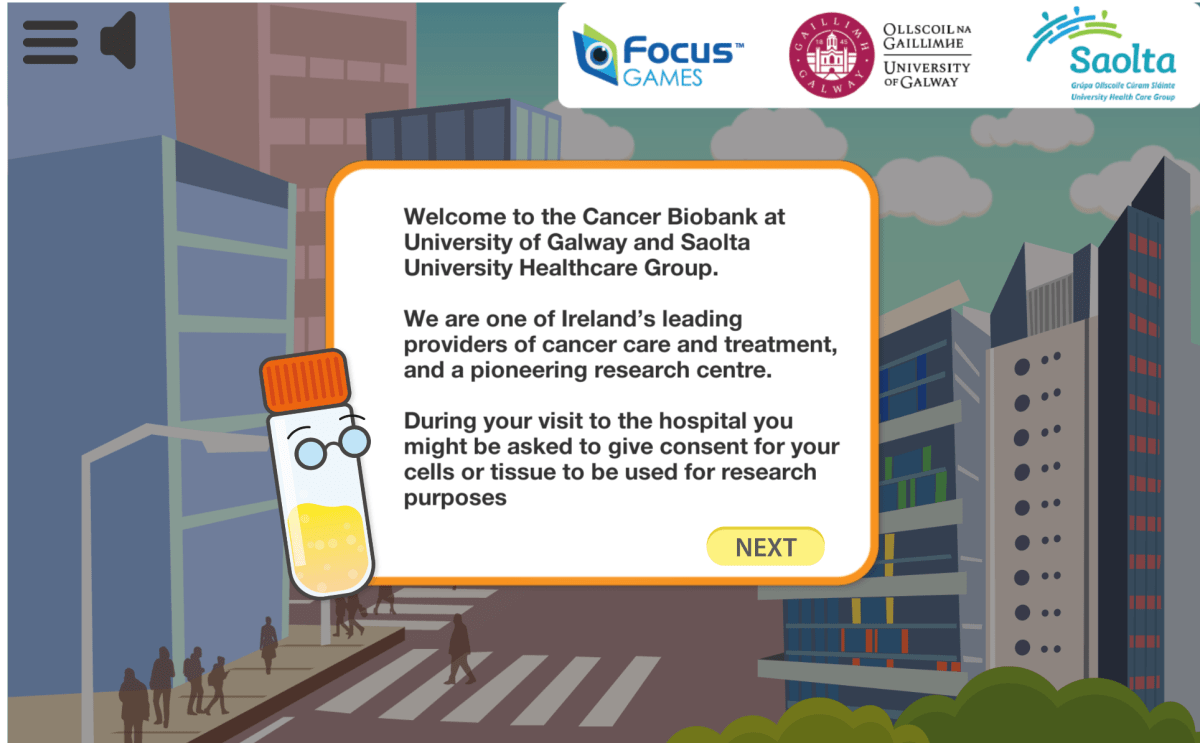
Cancer Biobank

The Cancer Biobank is a collection of clinical samples used in research to study how cancer develops and progresses and responds to treatment.

Engaging the patient voice in our work, and communicating our research to the public is vital to developing relevant research and education programmes. 

The Cancer Centre works with cancer charities, patient advocacy groups, and scientific public education initiatives to acheive this. 

https://cancerbiobank.focusgames.com

Promoting research and learning in the National Screening Service

Research in healthcare is important. We need to investigate novel approaches to clinical and management strategies, practices and interventions. This also applies to screening programmes. It keeps us informed of new developments and emerging trends in screening.

Research goals are:

  • to promote the visibility of our four population screening programmesboth nationally and internationally
  • to contribute to international screening literature
  • to facilitate the use of anonymised screening data by external partners working with us.

https://tinyurl.com/mr2yvdjf

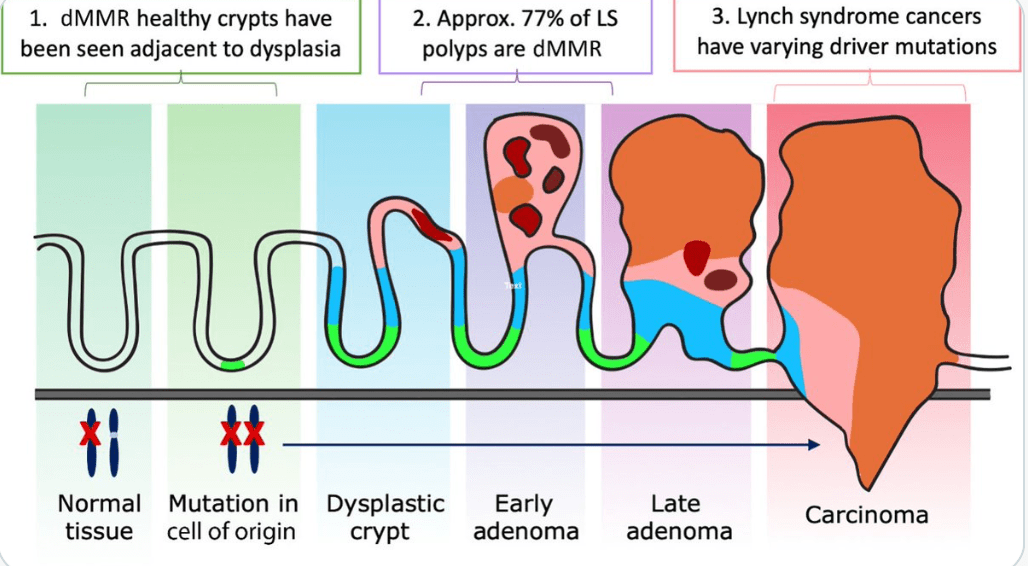
Biology of Precancers and Opportunities for Cancer Interception: Lesson from Colorectal Cancer Susceptibility Syndromes

In this review, they focus on two of the best characterised syndromes, Lynch syndrome (LS) and familial adenomatous polyposis (FAP). 

The increasing knowledge of precancer lesions and their biology may aid novel strategies for individualized prevention. It is essential to consider the adverse effects of such interventions when weighed against quality of life, particularly considering the age at which medication may begin.

Exciting advancements are being made in the field of cancer vaccination against LS colorectal cancer, however until trials show their validity the recommended surveillance protocols must be upheld.

Extrapolating information from these hereditary colorectal cancer studies can also help pinpoint how certain sporadic cancers evolve and offer opportunities for cancer prevention.