Overall, 51 papers were included for the final analyses (N = 51). These studies included 49,557 participants with CRC. The studies reported LS prevalence across 18 countries.
Our results demonstrate that universal germline testing as a diagnostic tool yields the best estimates of clinically meaningful germline pathogenic variants.
Lynch syndrome (LS) is the most common hereditary colorectal cancer (CRC) syndrome, with an estimated prevalence of 2% to 3% of CRC. A prevalence study is needed to provide accurate estimates of the true prevalence of LS.
Systematic review to evaluate the outcome of patients with early-stage (stages I-III) mismatch repair deficient (dMMR) colorectal cancer (CRC) receiving neoadjuvant immunotherapy (NIT) with immune checkpoint inhibitor (ICI)–based regimens.
CONCLUSION
NIT in patients with early-stage dMMR CRC is associated with a high response rate, low primary resistance to immunotherapy and cancer recurrence rate, and an excellent safety profile. The findings of the present systematic review support further investigation of NIT in patients with early-stage dMMR CRC, with a particular emphasis on the organ-preserving potential of this strategy.
Lynch Syndrome (LS) is the most common cause of hereditary colorectal cancer and also conveys significantly increased risks for several other malignancies, including endometrial, small bowel, gastric, ovarian, adrenocortical tumors, and others.
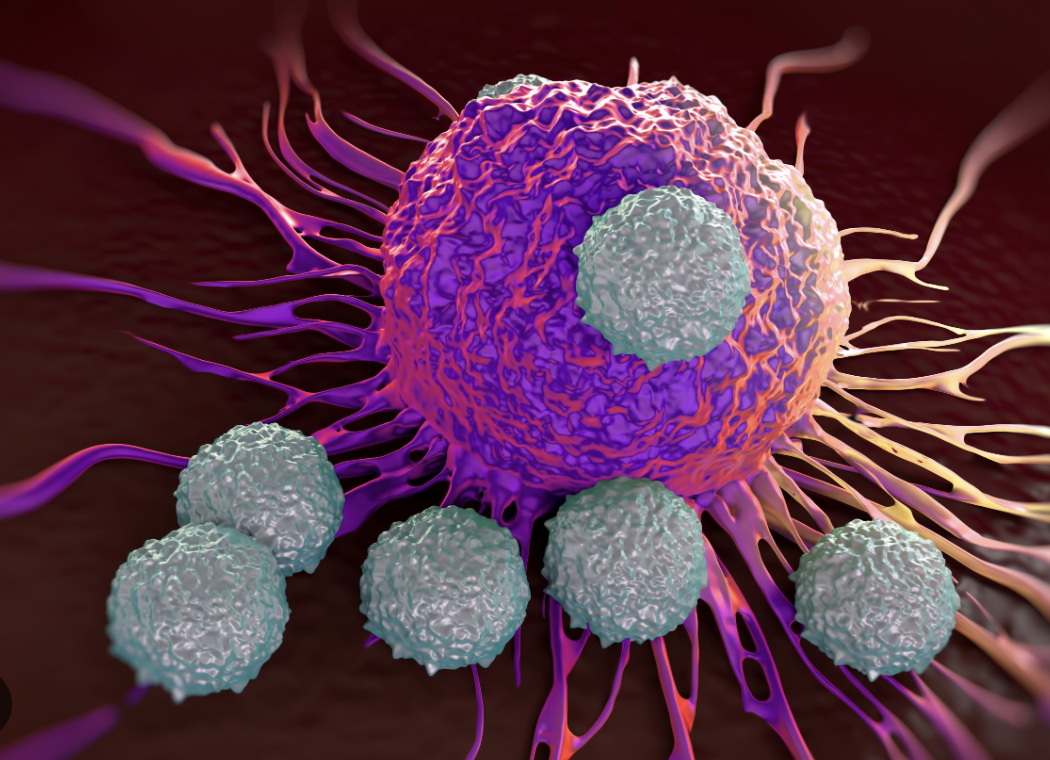
Recent advances in next-generation sequencing and associated bioinformatic approaches are now allowing for more accurate profiling of the most frequently recurring and shared mutated neoantigens in LS-associated tumors. This allows for identification of the most immunogenic neoantigens that can be incorporated into different vaccine platforms to test the development of a population-based vaccine.
A total of 45 participants will be enrolled to receive a prime and boost vaccination. Different secondary biomarkers will explore immunological aspects of this novel immune-interception strategy.
There is a clear potential to mitigate geographical barriers, meet increasing patient expectations of implementing virtual consultations, reduce hospital carbon footprints, and decrease hospital costs while increasing efficiency.
There are also significant challenges… Virtual healthcare consultations introduce another new level of digital exclusion for patients and clinicians. There are also potential challenges for maintaining patient confidentiality, and limited utility in circumstances where a physical exam may be warranted. For clinicians, there may be impacts on empathetic responses delivered and challenges in workflow and workload.
Summary:Both the opportunities and the challenges of virtual care must be considered to ensure the appropriate, successful, and long-term implementation of virtual care in cancer genetic services.
Health Innovation Hub Ireland (HIHI) was established by the Department of Business, Enterprise and Innovation and the Department of Health and is supported by Enterprise Ireland (EI) and the Health Service Executive (HSE) to drive collaboration between the health service and enterprise.
We offer companies the opportunity for pilot and clinical evaluation studies, and we provide the health service access to innovative products, services, and devices that they may not otherwise be exposed to.
HIHI is built on the recognition that collaboration with enterprise can benefit patient care, patient pathways and outcomes.
The two best defined syndromes are Lynch syndrome (LS) and familial adenomatous polyposis (FAP). Studying these groups on regular cancer surveillance provides insight into the tumor biology, potential avenues for prevention, and their effectiveness. In this article, we will review some of the lessons that can be learned from these conditions which may afford opportunities for cancer prevention.
Conclusions
Hereditary syndromes provide an opportunity to study early precancer evolution surveillance and interventions to prevent cancer. Understanding genotype and phenotype in colorectal cancer susceptibility syndromes allows for customized clinical trials in preventive medicine to be highly effective in their outcomes.
The increasing knowledge of precancer lesions and their biology may aid novel strategies for individualized prevention. It is essential to consider the adverse effects of such interventions when weighed against quality of life, particularly considering the age at which medication may begin.
Exciting advancements are being made in the field of cancer vaccination against LS colorectal cancer, however until trials show their validity the recommended surveillance protocols must be upheld. Extrapolating information from these hereditary colorectal cancer studies can also help pinpoint how certain sporadic cancers evolve and offer opportunities for cancer prevention.
The Lynch syndrome registry pilot study led by The Cancer Screening and Prevention Research Group at Imperial College London, records information about the health status of individuals with Lynch syndrome. A select group of Lynch syndrome patients who have previously taken part in the Cancer Prevention Project 3 (CaPP3) trial will be invited to participate in the pilot study from across four hospitals in England.
The Lynch syndrome registry records and analyses important information about people with Lynch syndrome. This helps to understand how people with Lynch syndrome are looked after and cared for across England. All information is held on a secure and confidential computer database.
The registry will ultimately be an efficient system that with the help of the bowel cancer screening programme will allow nationally coordinated care for Lynch syndrome families. It will also become a valuable central research resource that could be used to support other studies.
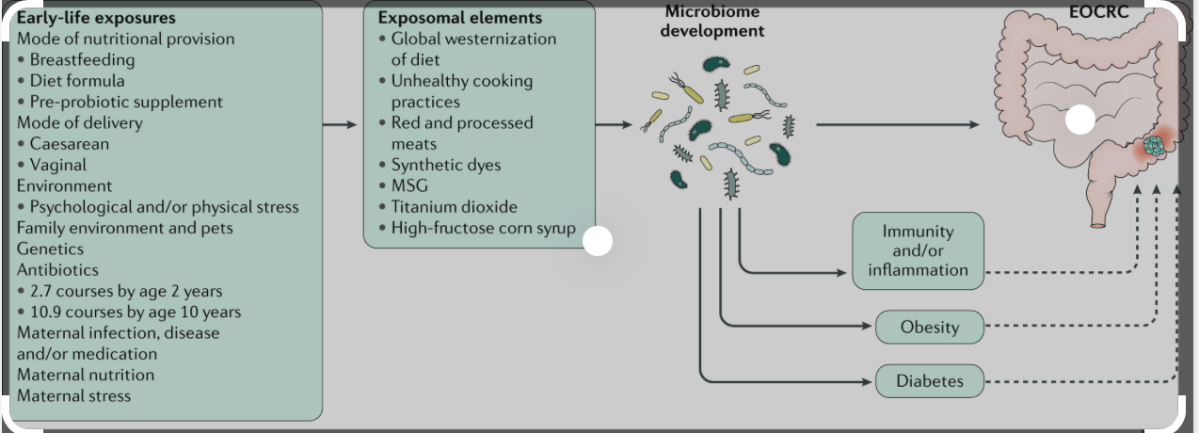
-The global importance that Early-onset colorectal cancer (EOCRC) is acquiring, makes a joint and worldwide effort necessary to unravel the problem.
-Although most EOCRC cases seem to be sporadic, there is still an important proportion belonging to families with well-defined colorectal cancer predisposition syndromes.
–Excluding hereditary syndromes, general population screening strategies don’t cover most cases in the majority of countries, except in some defined ones with first-degree relatives with colorectal cancer.
-At present, the management of EOCRC should be considered a lifelong process: from the early care of symptoms to avoiding delays in diagnosis; through a multidisciplinary treatment in both the present and future; and with considerations for the possible consequences in the short and long term.
-The participation of patients in each step of the process, as well as in the awareness of the problem is especially critical in EOCRC.
The healthy elderly have a markedly different microbiome composition from those who were unwell…
Mechanistically, it’s not clear what is causing this divergence of increasingly unique microbiomes in healthy elderly people. Is this correlation or causation, in terms of healthy ageing?
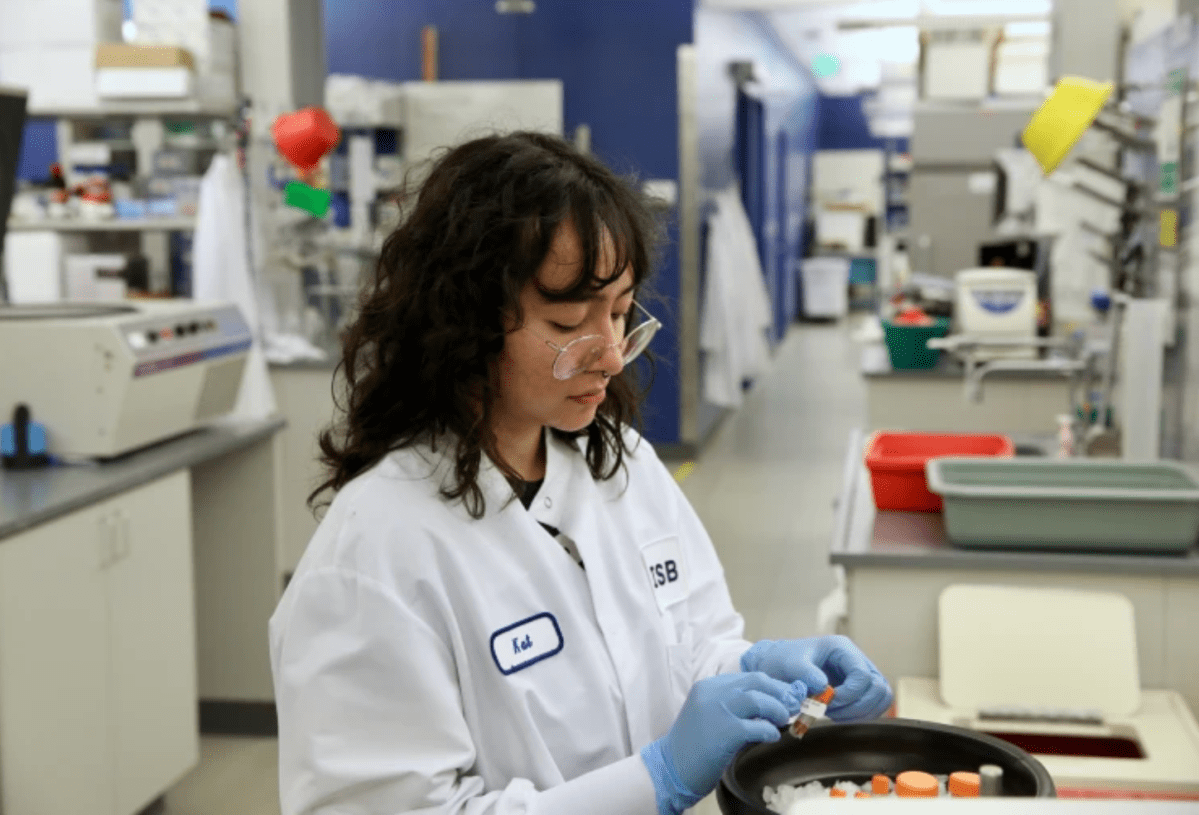
Sean Gibbons at the Institute for Systems Biology in Seattle, US, and co-workers will use their Global Grant for Gut Health to explore the unique gut microbial compositional signatures, gut microbial functional gene signatures, and associated blood metabolites in healthy elderly people.
By providing evidence and insights into patient experiences without bias, RWE research is a valuable resource that complements RCT(randomised control trial) data.
The success of RWE research depends upon the active engagement of patients and their carers. Alongside education regarding the disease and its treatment, participation in RWE research may help empower patients with mCRC and other cancers to influence decisions concerning their own treatment. There is potential for increased patient engagement to help improve overall management of the disease. To increase the numbers of patients and carers participating in RWE studies, improved understanding and awareness of RWE research is needed, and clinicians are well placed to encourage this process. Engaging patients and carers throughout disease management is key to unlocking the potential for RWE to improve outcomes in mCRC.
It is now imperative that policy makers consider the value of this in their assessment and inclusion of treatments.





 Lynch Syndrome Ireland