Lynch Syndrome: Diagnosis & Treatment

https://www.mayoclinic.org/diseases-conditions/lynch-syndrome/diagnosis-treatment/drc-20374719

Your GP may want you to consider genetic testing for Lynch syndrome if your family history has one or more of the following:

  • Multiple relatives with any Lynch-associated cancers, including colon cancer and endometrial cancer. Other cancers caused by Lynch syndrome include those that happen in the stomach, ovaries, pancreas, kidneys, bladder, ureters, brain, gallbladder, bile ducts, small intestine and skin.
  • One or more family members who had cancer before age 50.
  • One or more family members who have had more than one type of cancer.
  • More than one generation of family with the same type of cancer.
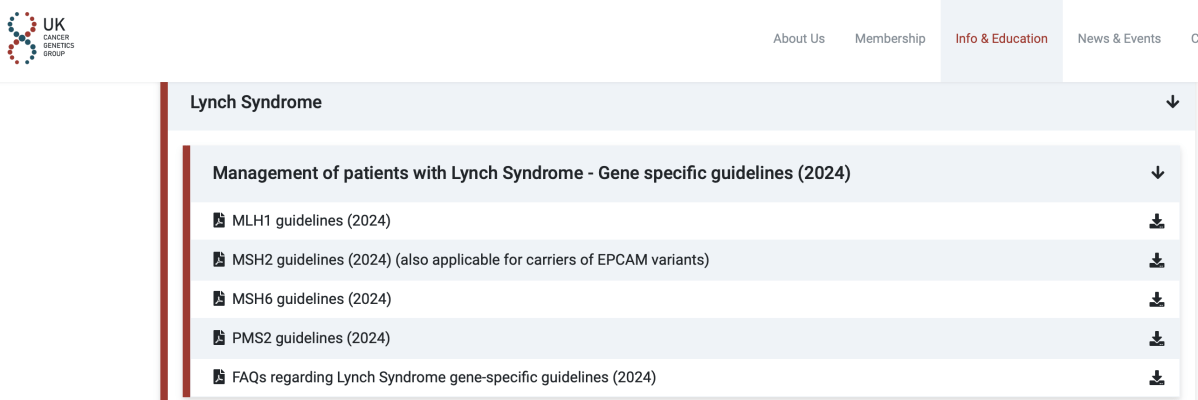
Lynch Syndrome Management Guidelines – Gene Specific 2024 – UKCGG

https://www.ukcgg.org/information-education/ukcgg-leaflets-and-guidelines/

Gynaecology and Lynch Syndrome

From LS UK Annual Conference 2024

Neil is a Clinical Lecturer and Gynaecology Oncology Surgical Subspecialty Fellow at the University of Edinburgh and NHS Lothian. His passion is to improve the care of those with Lynch syndrome through prevention and personalised treatment.

Lynch Syndrome Conference 2024

Check out the presentations on YouTube.

Up to date information on Lynch Syndrome

Lynch Syndrome

  • Lynch Syndrome involves several inherited genes which normally protect the body from cancer, but mutations in any of these genes may inhibit this function.
  • If someone has a Lynch Syndrome mutation it does NOT mean they will definitely get cancer, there are other factors involved.
  • If you have one of the Lynch Syndrome mutations, this has implications for your family. Your elders, siblings and offspring. If they too have the same mutations, they will be more susceptible to bowel and other cancers.
  • You should contact members of your family and advise them to get tested.
  • Anyone with Lynch Syndrome can reduce their cancer risk.
  • People with Lynch Syndrome are entitled to advanced cancer screening, to catch cancer early and cure it.
  • There is evidence that some people with Lynch Syndrome diagnosed with a bowel cancer are more likely to develop secondary cancers.

Dominantly inherited micro-satellite instable cancer – the four Lynch syndromes – an EHTG, PLSD position statement

In the Lynch syndromes (LS) we now recognize a dynamic balance between two stochastic processes: MSI producing abnormal cells, and the host’s adaptive immune system’s ability to remove them.

The latter may explain why colonoscopy surveillance does not reduce the incidence of colorectal cancer in LS, while it may improve the prognosis.

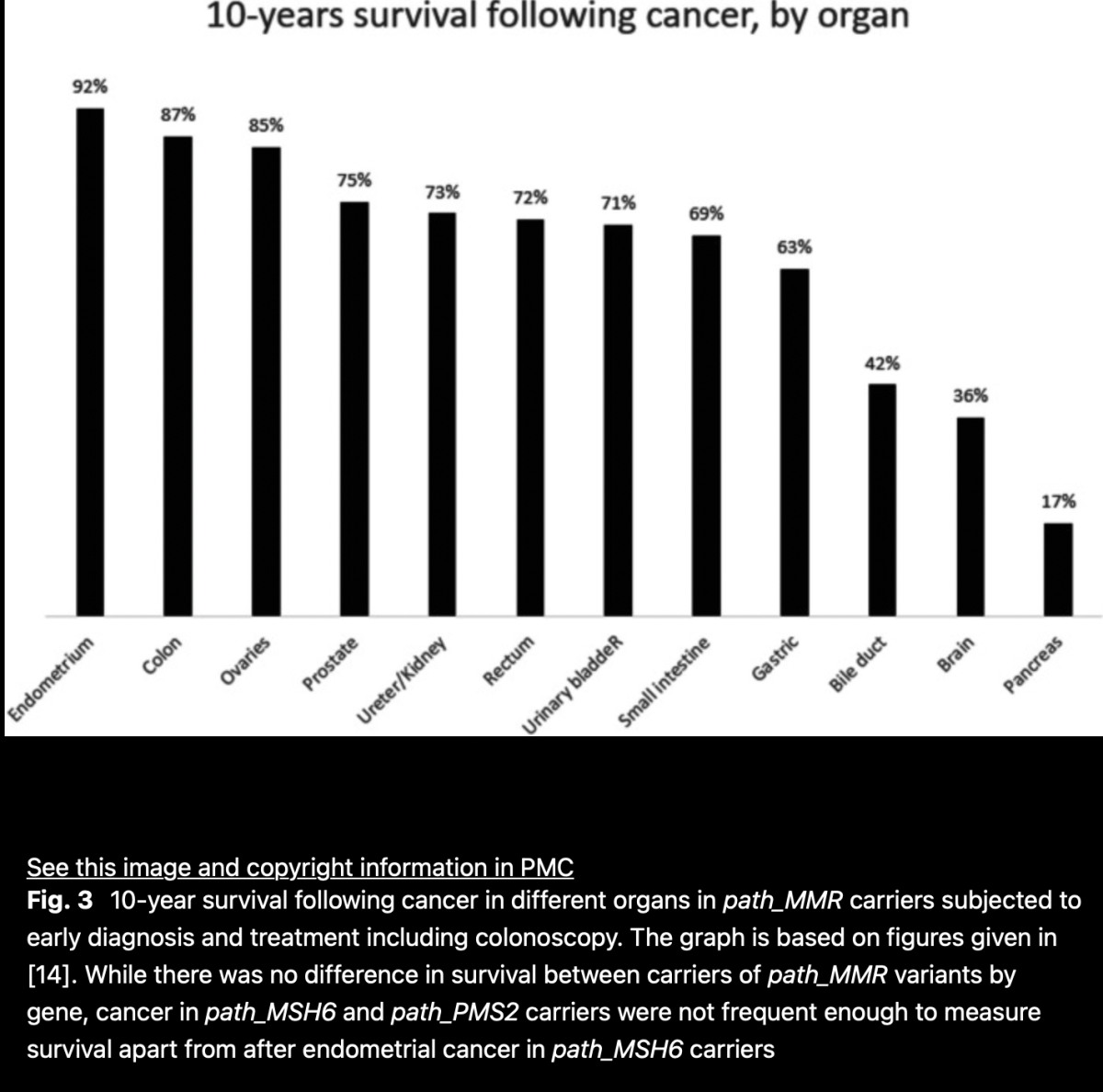
Most early onset colon, endometrial and ovarian cancers in LS are now cured and most cancer related deaths are after subsequent cancers in other organs.

Aspirin reduces the incidence of colorectal and other cancers in LS.

Immunotherapy increases the host immune system’s capability to destroy MSI cancers.

Colonoscopy surveillance, aspirin prevention and immunotherapy represent major steps forward in personalized precision medicine to prevent and cure inherited MSI cancer.

https://pubmed.ncbi.nlm.nih.gov/37821984/

Joint ABS-UKCGG-CanGene-CanVar consensus regarding the use of CanRisk in clinical practice

Background

The CanRisk tool, which operationalises the Breast and Ovarian Analysis of Disease Incidence and Carrier Estimation Algorithm (BOADICEA) is used by Clinical Geneticists, Genetic Counsellors, Breast Oncologists, Surgeons and Family History Nurses for breast cancer risk assessments both nationally and internationally. There are currently no guidelines with respect to the day-to-day clinical application of CanRisk and differing inputs to the model can result in different recommendations for practice.

Conclusions

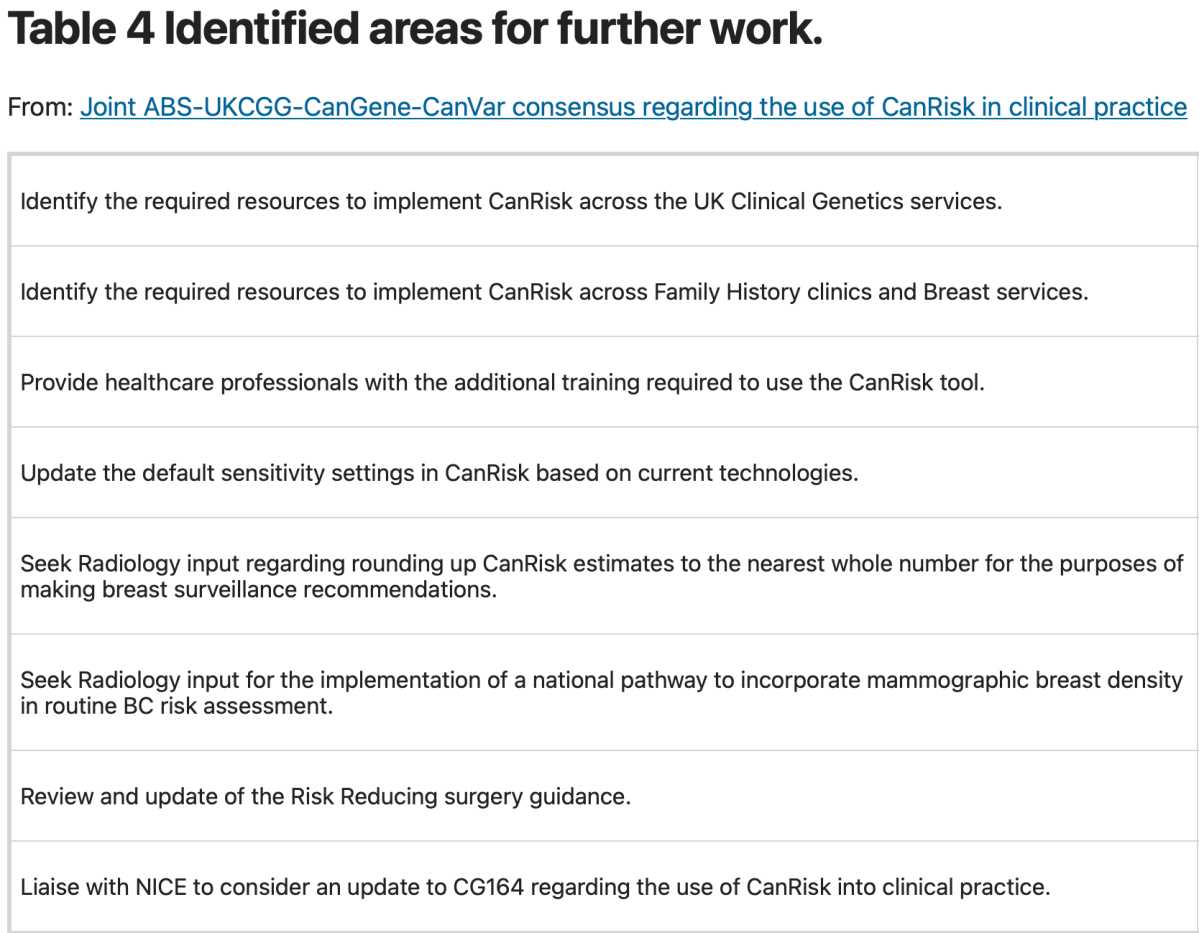
Whilst consensus recommendations were achieved, the meeting highlighted some of the barriers limiting the use of CanRisk in clinical practice and identified areas that require further work and collaboration with relevant national bodies and policy makers to incorporate wider use of CanRisk into routine breast cancer risk assessments.

https://www.nature.com/articles/s41416-024-02733-4

Innovative eMERGE study aims to address historical health inequities

Collaborations like the eMERGE IV study can help show how diverse population screening, better communication of test results and integration of genetic information into health risk reports can improve our understanding of how to reduce health risks for all.

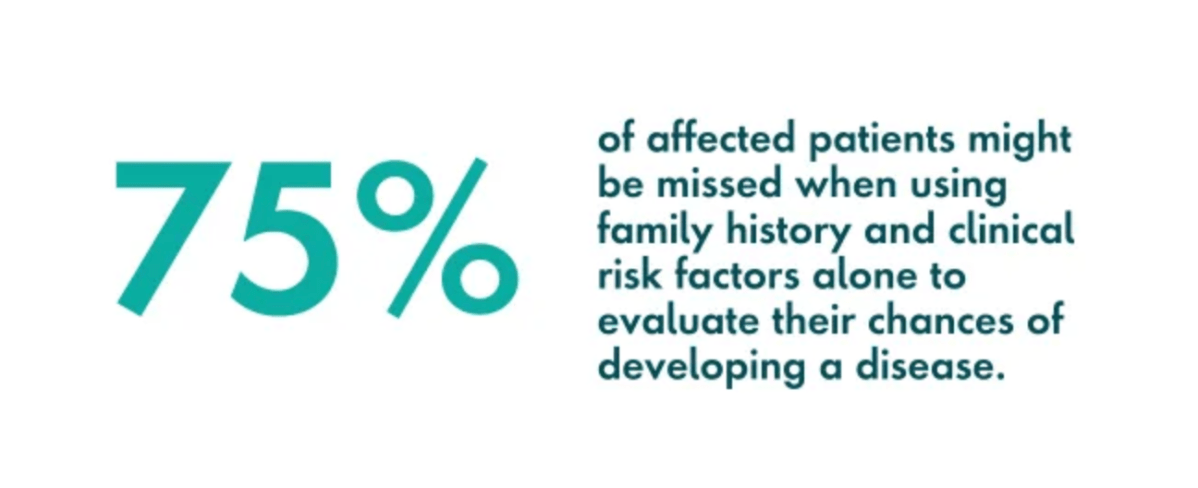
No guidelines exist for proactive genetic testing to understand overall health risks in otherwise healthy individuals with no family history of disease, so comprehensive risk assessments that include genetic testing aren’t yet standard practice for most healthcare practitioners.

https://blog.invitae.com/innovative-emerge-study-aims-to-address-historical-health-inequities-0a20fd9c3691

Prospective Lynch Syndrome Database (PLSD) – cumulative risk for cancer by age, genetic variant, and gender in carriers subject to colonoscopy

Objective: Estimates of cancer risk and the effects of surveillance in Lynch syndrome have been subject to bias, partly through reliance on retrospective studies. They have sought to establish more robust estimates in patients undergoing prospective cancer surveillance.

Check out….

http://plsd.eu

Support Early Detection, Enhance Quality of Life

A book that sheds light on the alarming spread of early-onset colorectal cancer (eo-CRC) among individuals under the age of 50. At Digestive Cancers Europe (DiCE), our commitment to spreading information about eo-CRC and its prevention has driven us to work intensively on this topic for the past few years.

The Free book’s last chapter reflects on life before and after the disease. The young protagonists, hailing from nine different European countries, lead diverse lives but show us the power of courage and resilience. They exemplify how the support of loved ones is crucial in facing colorectal cancer with determination.