Knowing your family history

Knowing your family history of cancer is a critical aspect of cancer prevention and early detection.

Many types of cancer, including Lynch syndrome-related cancers, have a hereditary component. This means that individuals with a family history of cancer may be at increased risk for developing the same or related types of cancer.

The more you know about your family’s cancer history, the better equipped you will be to make informed decisions about your own health and to take proactive steps to reduce your risk of cancer.

https://www.aliveandkickn.org/knowing-your-family-history

Health Information Bill 2024

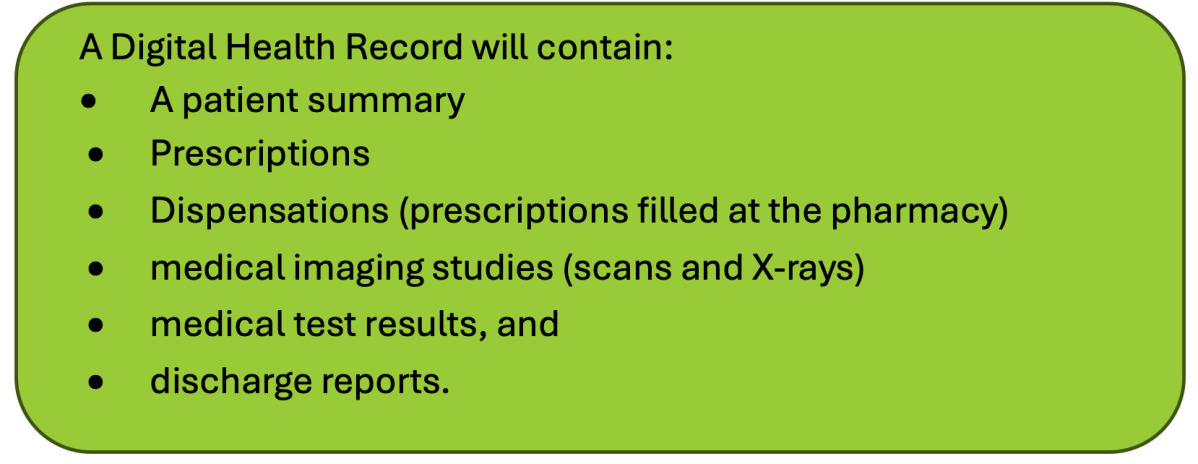
Aims to improve the use of health information in Ireland. Health information is generated every time a patient interacts with a health service. For example, when a person sees a doctor or nurse, the details that are recorded become health information. How this information is used is key to supporting integrated care. The right information needs to be available in the right place, at the right time, to ensure the best care and treatment for patients.
The Health Information Bill helps to achieve this-has a priority focus on digital health records and primary use.

Purpose of the Bill:
Provides for the following in Irish law:

  • A ‘duty to share’ health information for patient care and treatment
  • The establishment of Digital Health Records for all patients in Ireland
  • Greater patient access to their own health information
  • Greater protections around health information for primary use
  • Better health information for the HSE for public-interest purposes.

https://www.gov.ie/pdf/?file=https://assets.gov.ie/299643/22ca227b-e926-419c-9780-fc41f8dcfddc.pdf#page=null

PACE-NODES study -(prostate cancer)

The PACE-NODES study for patients with Prostate Cancer is now re-opened at three sites in Ireland.

About this trial

The purpose of this study is to test an advanced type of external beam radiotherapy called stereotactic body radiotherapy (also known as SBRT) in 536 participants with high risk localised prostate cancer (that is, prostate cancer that has not spread beyond the prostate gland but is at high risk of growing quickly or spreading).

Importantly, this treatment delivers a potentially curative dose of radiotherapy in only 5 treatments over two weeks. Half the participants in the trial will receive radiotherapy to the prostate, the other half will have radiotherapy to the prostate as well as the surrounding lymph nodes. The investigators will follow patients in the trial for at least three and half years to see which treatment is best. The investigators will be looking at whether it is safe to give this treatment by reviewing any side-effects that occur and also assessing whether giving SBRT to the lymph nodes as well as the prostate reduces the chance of prostate cancer returning.

https://www.cancertrials.ie/cti-trials/

My medical oncologist just retired….

Since my cancer diagnosis 23 years ago, I always had someone looking out for me medically. And my oncologist was a stellar watchman throughout these years. He is brilliant in the oncology field, but he also is immensely kind. He treats his patients as family members. And he returns patients’ calls immediately. 

Now that he’s retired, I feel like an astronaut whose lifeline has been abruptly cut, and I’m floating away into dark space without oxygen. 

https://bethlgainer.substack.com/p/suffocating

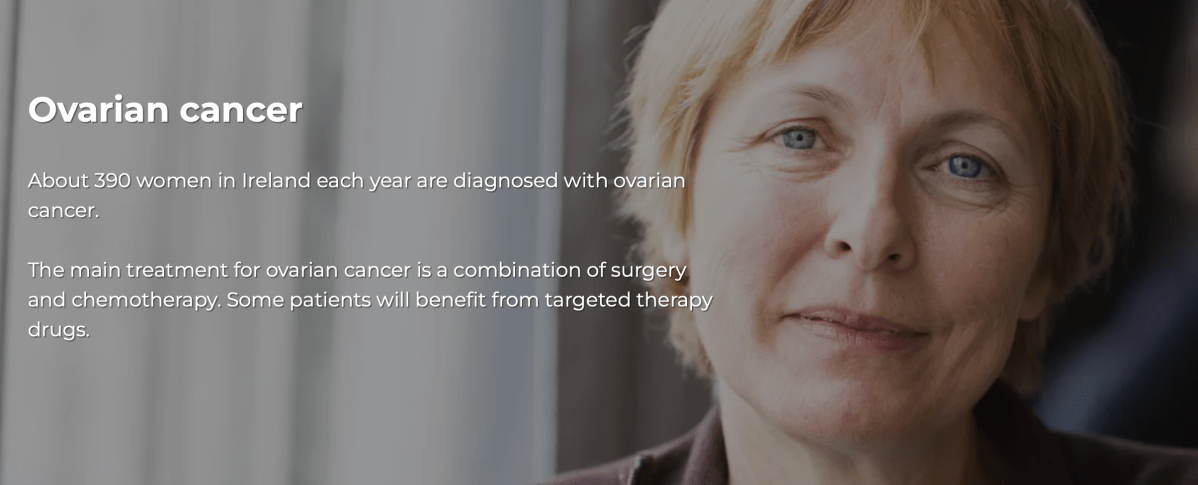
Ovarian Cancer

What increases my risk of ovarian cancer?

Include: Family history of cancer:

If you have two or more close relatives (mother, sister or daughter) who have had ovarian cancer or breast cancer, you may be at a higher risk of the disease. Having relatives with ovarian cancer does not necessarily mean that you have a faulty inherited gene in the family. Faulty genes can lead to ovarian cancer in a very small number of women – about 5-10%. These include the genes BRCA1 and BRCA2.  BRCA1 and BRCA2 are also linked to the development of breast cancer. There is also a risk of ovarian cancer if your family have the genetic mutation known as Lynch Syndrome

https://www.cancer.ie/cancer-information-and-support/cancer-types/ovarian-cancer#support

Symptoms of bowel cancer

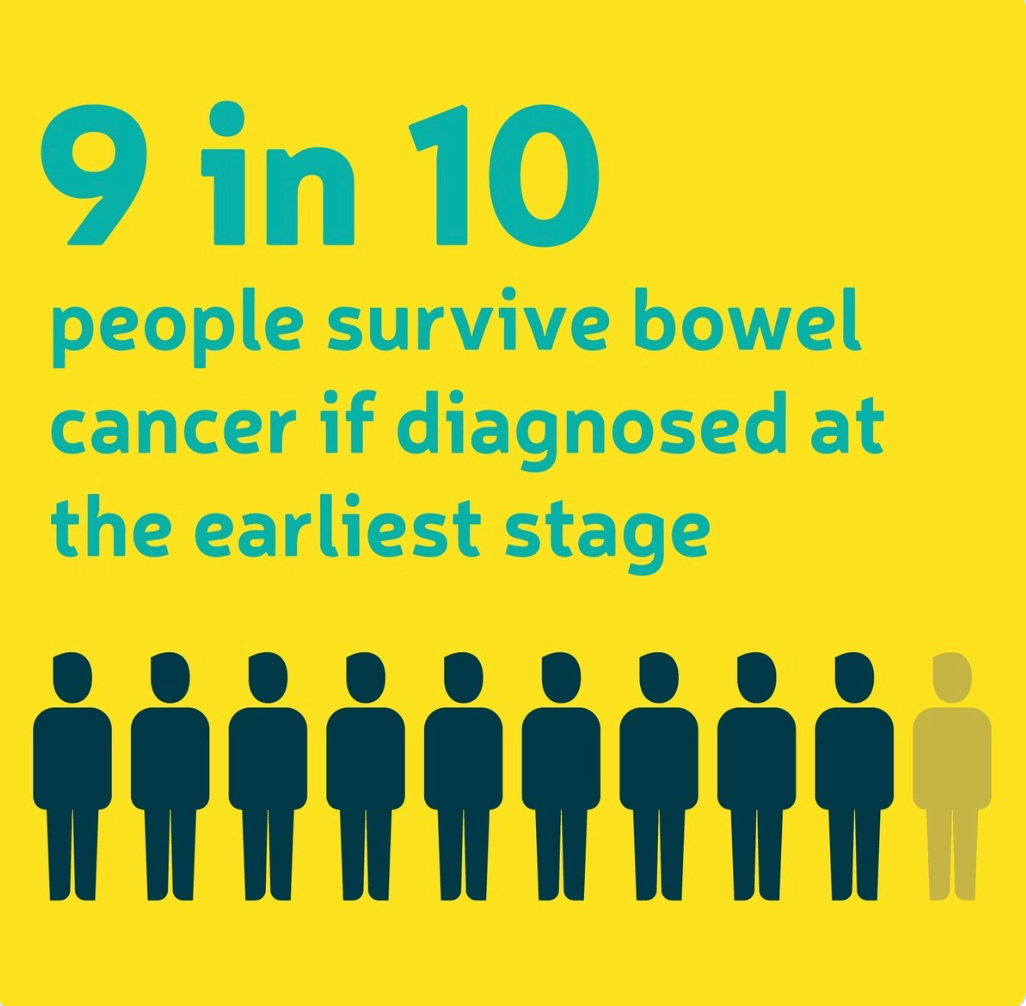
Knowing the symptoms is important to help spot bowel cancer early. The earlier that it’s found, the more treatable it’s likely to be.

https://www.bowelcanceruk.org.uk/about-bowel-cancer/symptoms/

Hereditary Cancer Model of Care

The vision of this model of care is that it will provide clarity regarding the structure and governance of hereditary cancer services in Ireland.

Leveraging Electronic Health Record Data to Understand Gaps Underlying the Underdiagnosis of Lynch Syndrome

 LS predisposes to cancer in multiple organs, including colorectal, endometrial, upper GI, genitourinary, brain, and skin cancers.

Unfortunately, most individuals with LS remain undiagnosed4 and do not benefit from the growing medicines, equipment, and techniques available of early detection and prevention strategies that can prolong life, reduce cancer incidence, and thereby increase quality of life for individuals with LS.

In spite of the numerous diagnostic approaches to identifying individuals and families with LS, however, it is widely understood that LS remains underdiagnosed and thus opportunities for genetically driven cancer prevention remain missed.

The EHR(Electronic Health Record) can play an important role in identifying candidates for LS screening and advancing the clinical care of patients with LS. However, many limitations of the EHR need to be addressed and complementary approaches that incorporate input from all stakeholders are key to improving the lives of individuals with LS.

https://ascopubs.org/doi/full/10.1200/CCI.24.00032