Recently my friend went to his GP for a PSA test. Here’s his story:
The room temperature dropped. Somewhere, a leaflet rustled in anticipation. “Ah,” said the GP, steepling fingers like a Bond villain. “The thing is—”
Recently my friend went to his GP for a PSA test. Here’s his story:
The room temperature dropped. Somewhere, a leaflet rustled in anticipation. “Ah,” said the GP, steepling fingers like a Bond villain. “The thing is—”
The MSI Plus assay test( a laboratory procedure used to measure, analise, or test a substance) allows improved and faster testing for Lynch syndrome, a hereditary condition which brings increased risk of certain types of cancer, including colorectal.
Approved new medicines should be available to public patients within 180 days of a HSE cost assessment decision, a conference on access to new drugs has heard today.
The new access system is to be phased in over the next three years as part of an agreement between the State and the pharmaceutical industry.
Pamela Deasy(Patient Advocate) “Upon hearing that access to new medicines could drop from around 600 days to 180 for public patients sounds promising ………. When you’re facing an aggressive illness, months matter, and what fundamentally will actually change in the system to make sure these timelines are real, consistent, and centred around patient urgency rather than targets on paper?
Because for many of us, faster access isn’t just a policy goal, it’s time we simply don’t have 😔 especially relation to poor prognosis cancers.“
https://www.rte.ie/news/2026/0430/1571070-public-access-drugs/
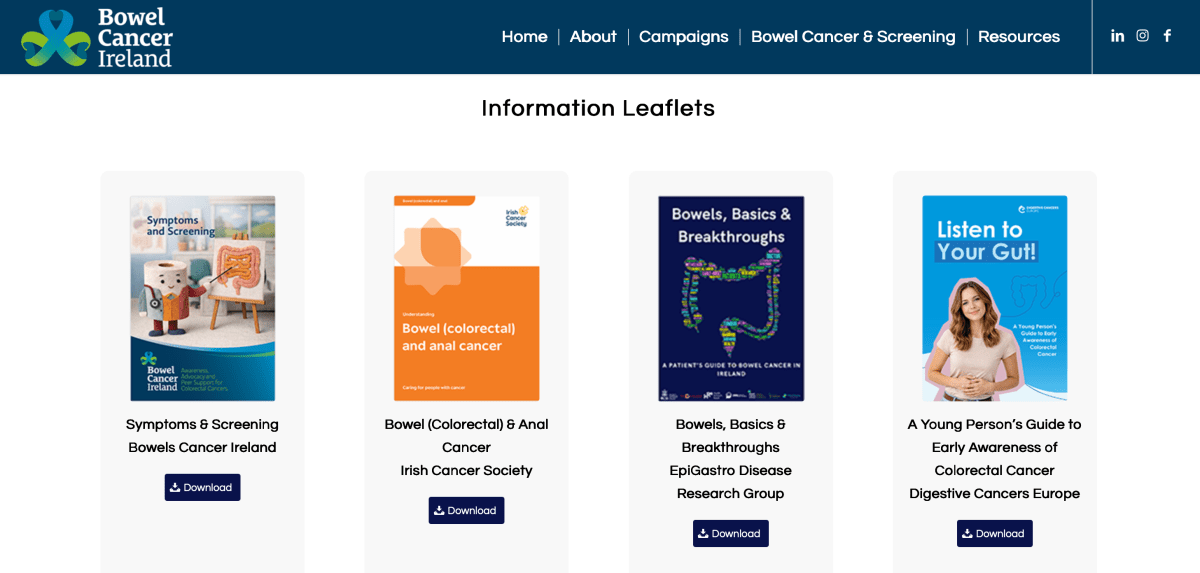
Bowel and colorectal cancers are one of the most preventable cancers if caught early, yet thousands of people across Ireland are diagnosed every year.
Early detection saves lives….
Just know that even in uncertain waters, you are not alone—there are guiding lights, and moments of calm that will help you find your way.
Improving your Health did not require more time?
https://www.linkedin.com/newsletters/sustainable-performance-7423965486368903171
To support the development of the Government Digital Wallet programme, including drafting legislation and its rollout, we want to hear from you. To do that, we need to understand what you expect, what worries you may have, and how we can communicate about it in a way that is easy to understand.
When you register your interest, you’ll be among the first to be invited to take part in the Government Digital Wallet consultation and testing.
Participants will be invited to apply for early access to download the wallet app, explore how it works, try out different use cases, and share their feedback to help shape the final version before the full public launch.
Most new cancer medicines are precision medicines, that targets specific biomarkers. These can be highly effective, but they apply to relatively small patient groups, so cancer care is increasingly approached as a collection of rare diseases.
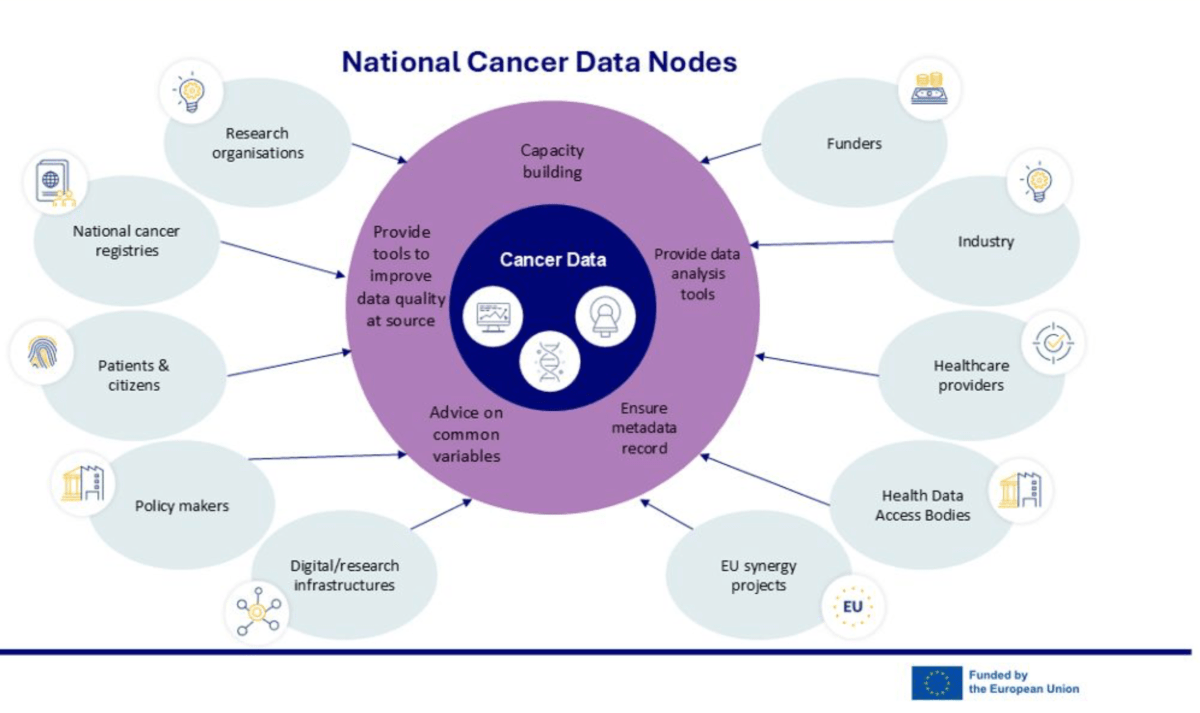
Better data standards and data quality enable clinical trials and better medicines for Irish cancer patients. More cancer trials, not only give patients faster access to new medicines but Cancer Trials Ireland emphasise they are also a vital part of care planning, as they provide staff training in new medicines.
Training so staff are prepared and can plan for new medicines, develop the specialised treatment protocols, recognise and plan for adverse events or side events.
Medical research embedded in care delivered pilots of new approaches that enable a health service to learn, develop, improve and better meet patient needs.
“I am a survivor of early onset rectal cancer(Age 27). Chemotherapy, radiotherapy and brutal surgery saved my life, removing my tumour along with my large intestine, bladder, prostate, rectum, pelvic floor and the base of my spine. I now live with two stoma bags and a body irrevocably changed by treatment.”
I’m confronted by an unpleasant truth: we brace for diagnosis and invest in treatments while neglecting prevention.
Prevention is often deprioritised because its benefits are delayed, less visible, and harder to measure, unlike treatment which delivers immediate, tangible outcomes.
Cancer cases are projected to rise sharply by 2050, making a treatment-focused model economically and practically unsustainable.
Up to 40% of cancers are preventable, yet most research funding is still directed toward treatment rather than prevention.
A common belief is that prevention is a weak market, as it requires convincing healthy people to take action.
This is contradicted by widespread adoption of preventive drugs like statins and Ozempic, showing people will engage when benefits are clear and tangible.
Historical failures in dietary supplement trials created lasting scepticism and made funders more risk-averse toward prevention research.
Advances in genetics, biomarkers, and technology now make targeted, cost-effective prevention strategies more feasible.
Political and media incentives favour treatment, as saving identifiable patients attracts more attention than preventing future cases.
This imbalance in visibility and incentives drives funding and policy decisions.
Reframing prevention as urgent, feasible, and scalable is essential to reduce cancer burden and protect healthcare systems.
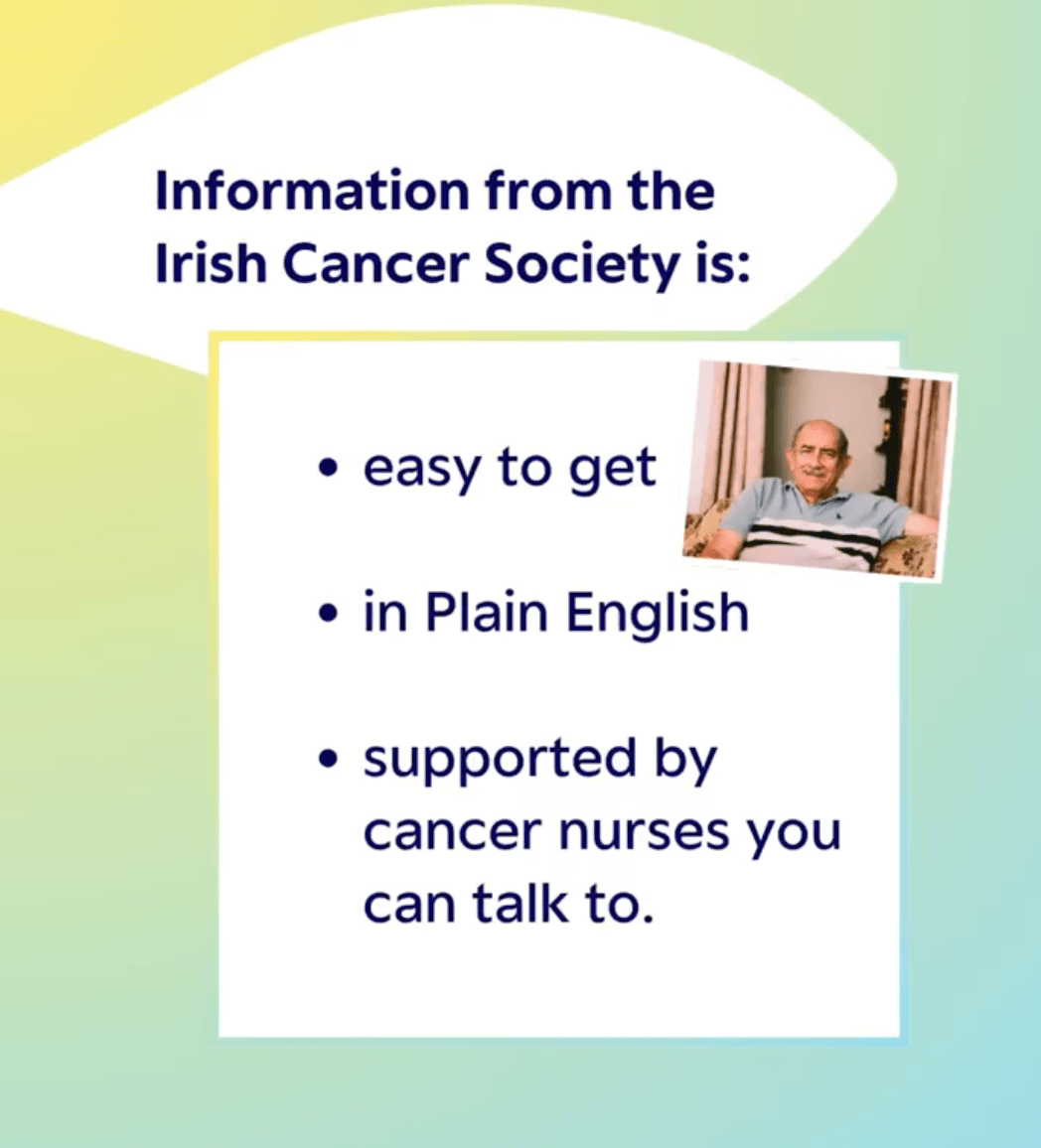
Health literacy is how well you can get, understand and use health information.
It’s a problem for 1 in 3 people in Ireland, and our cancer information is written with that in mind.
Find it on www.cancer.ie or order free paper copies by phone.
You can also watch our patient empowerment videos to help you get more out of your doctor appointments: