Drs Camidge and McVeigh highlight the evolution of the clinical genetics field over time, the process of identifying pathogenic genetic variants, the difficulties of explaining genetic testing results to patients, and more.
Blog
Lynch Syndrome? Why it’s important to know about it
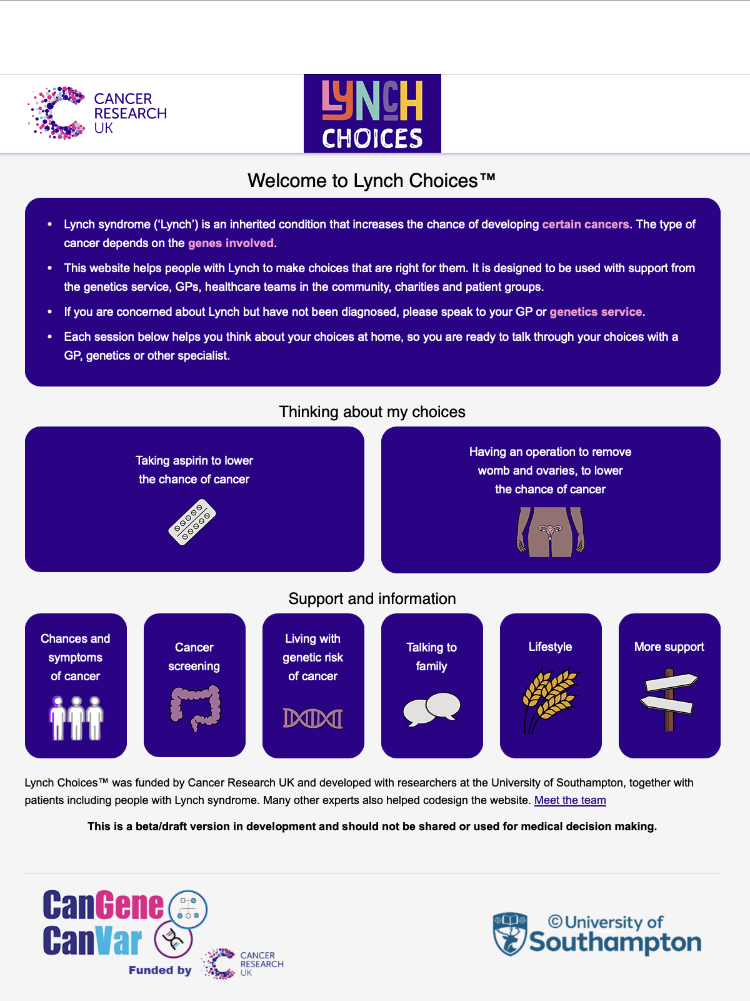
Lynch syndrome is caused by an inherited mutation in one of these genes:
People with Lynch syndrome have an increased risk for colorectal, endometrial and other cancers. The cancer risk varies by gene mutation, therefore it is important for people with Lynch syndrome to know which gene mutation they have.
In the past, the risk-management guidelines were the same for people with an inherited mutation in any of the Lynch syndrome genes. As more research has shown different cancer risks for each gene, experts have started to separate the risks and medical options for each individual mutation. Despite these differences, some references discuss Lynch syndrome as though inherited mutations in these genes carry the same risks.
If you have been told that you have Lynch syndrome, it is important to know which gene has a mutation, so that you can make informed decisions about your medical care.
In the past, Lynch syndrome was also referred to as “hereditary nonpolyposis colorectal cancer” (HNPCC). This term has fallen out of favour because mutations in these genes also increase the risk for other cancers besides colorectal cancer.
Embedding formal and experiential public and patient involvement training in a structuredPhD programme: process and impact evaluation
The international evidence shows that PPI is feasible, but evidence on the economic costs of PPI in research is sparse . It shows that drawing on the lived experience of PPI contributors can have positive benefits for health and social care research. It can lead to better outputs , and while it can enhance the quality and relevance of studies the evidence base on its impact remains weak.
There is evidence that PPI in health research can become tokenistic and concern that inviting patients and the public to ‘tinker at the edges’ undermines the broader aim of PPI to democratise research . International evidence shows that researchers are willing to change their practice, but lack of knowledge, skills and experience can hinder their involvement in PPI and they may be apprehensive about using PPI.
Conclusions
Embedding formal and experiential PPI training in a structured PhD programme is a novel approach. The evaluation has identified a number of lessons that can inform future doctoral programmes seeking to embed formal and experiential PPI training.
https://link.springer.com/article/10.1186/s40900-023-00516-4
Not curing cancer but preventing it
Groundbreaking vaccine trials aimed at preventing cancers associated with the genetic disorder Lynch syndrome are currently underway.
Why Lynch syndrome?
Sanchez explained that patients with Lynch syndrome are born with a genetic defect in a gene that is involved in DNA repair.
“What happens is that everytime one of our cells is dividing there is new synthesis of DNA and spontaneously in that process there are DNA errors. There are natural systems in our cells that are equipped to recognize that error and correct it so we don’t get mutations all the time,” Sanchez explained.
“What happens in patients with Lynch syndrome is that the genetic defect they are born with is in one of the genes involved in this process of self repair of DNA errors,” he continued.
This means that people with Lynch syndrome are more prone than others to replicate these DNA errors over their lifetime which means an increased risk of cancer.
Methylated DNA Markers for Sporadic Colorectal and Endometrial Cancer Are Strongly Associated with Lynch Syndrome Cancers
Lynch syndrome (LS) markedly increases risks of colorectal and endometrial cancers. Early detection biomarkers for LS cancers could reduce the needs for invasive screening and surgical prophylaxis.
Prevention Relevance:
Methylated DNA markers previously identified in sporadic endometrial cancer and colorectal cancer discriminate between benign and cancer tissue in LS.
Transforming the care of people with Lynch syndrome: a system-wide approach
Monahan et al describe progress in addressing the lack of diagnosis of Lynch syndrome in the English National Health Service with a bold attempt to fix a leaking pathway.
There remains much to do, not least inclusion of the many other tumour types seen in LS, but this programme has demonstrated the power of a national system of health provision and the willingness of the professional community to work together to improve the care of people with this common rare disorder.
“Go ahead and screen” – advice to healthcare systems for routine lynch syndrome screening from interviews with newly diagnosed colorectal cancer patients
Conclusion: Our qualitative findings demonstrate patients with CRC have a strong desire for healthcare systems to regularly implement and offer UTS.
Patience…A form of Action?
Can learning patience actually be an active effort? A 3 minute Side Trip with some reflection on my(Pat Wetzel) personal path to learning patience.