Lynch syndrome- Georgia

Fighting against misinformation and watching science be dismissed is draining.

Social media, once a tool for connection, has become a battleground—especially platforms like Twitter (now X) and Facebook, where conspiracy theories and political toxicity overshadow genuine efforts to help.

GeNotes

The new Gastro-Hepatology collection joins existing specialties such as endocrinologyoncology and neurology, and has been developed by leading experts in gastroenterology and hepatology, including Dr Kevin Monahan, Professor Guruprasad P Aithal and Dr Robert Scott. This collection aims to meet a wide spectrum of genomics education needed for these specialist communities – from when and how to order genomic testing for a patient with a family history suggestive of Lynch syndrome to the underlying genomics at play in hereditary pancreatitis.

https://www.genomicseducation.hee.nhs.uk/news/new-in-genotes-gastro-hepatology/

https://www.genomicseducation.hee.nhs.uk/genotes/in-the-clinic/presentation-patient-with-a-family-history-suggestive-of-lynch-syndrome/

Reforms needed to get quicker access to new medicines, says IPHA

The Irish Pharmaceutical Healthcare Association (IPHA) has said that patients in Ireland could get access to new medicines a year earlier, if there were reforms here.

The new Programme for Government said the coalition is committed to ensuring that patients have access to news medicines as quickly as possible.

The IPHA has said it is clear that the system for covering new medicines needs to be funded, governed and designed to operate within the legal 180-days timeline set by the Oireachtas.

Meanwhile, a new four-year Framework Agreement on the pricing and supply of medicines between the State and IPHA is due to be negotiated this year.

https://www.rte.ie/news/2025/0226/1498941-ipha-medicines/

Interesting discussion on the “human cost” of delayed approval….

“System not very transparent”

“Strategically a commercial process”

“Difficult conversations on a daily basis”

https://www.rte.ie/radio/radio1/today-with-claire-byrne/2025/0226/1499089-today-with-claire-byrne-wednesday-26-february-2025//

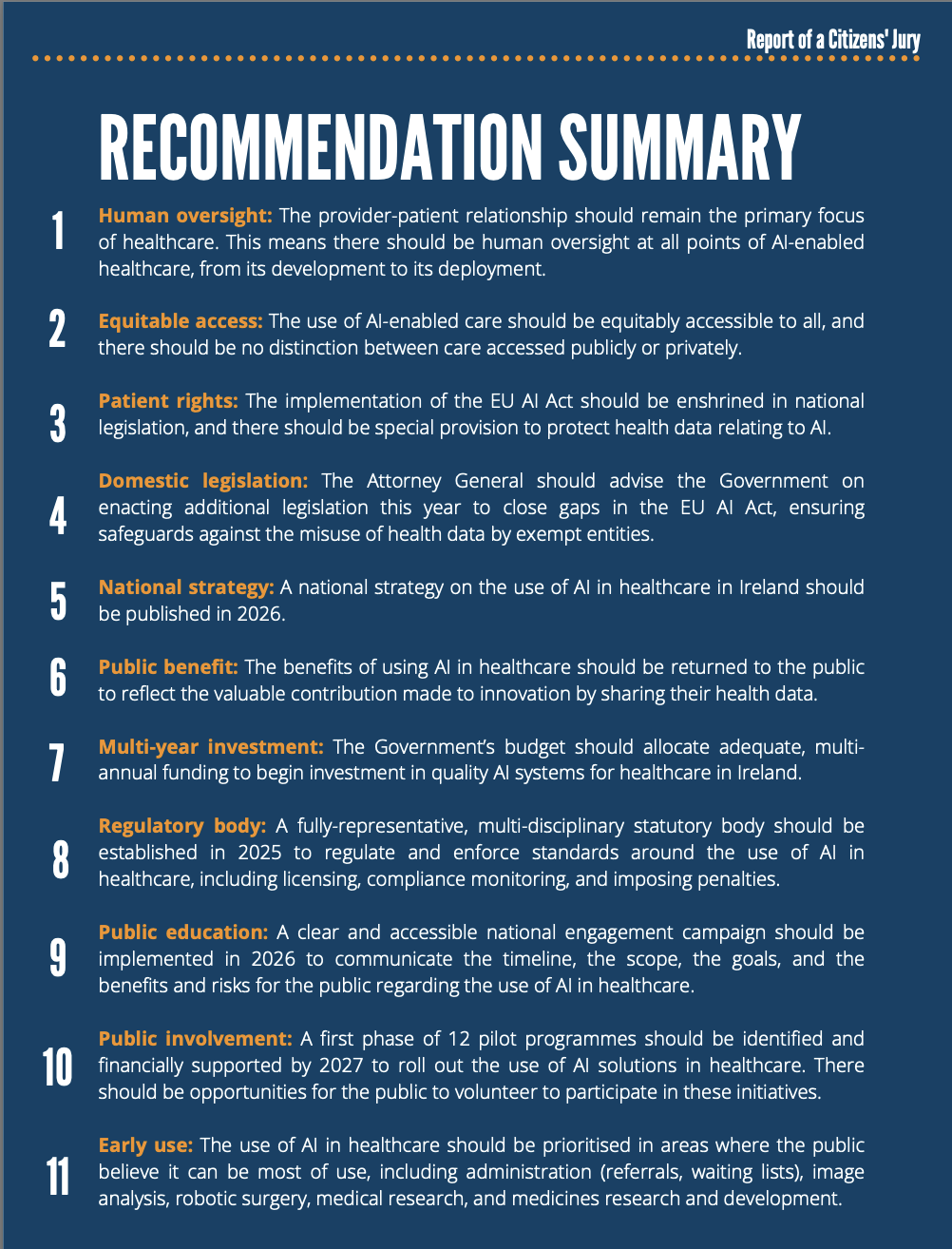
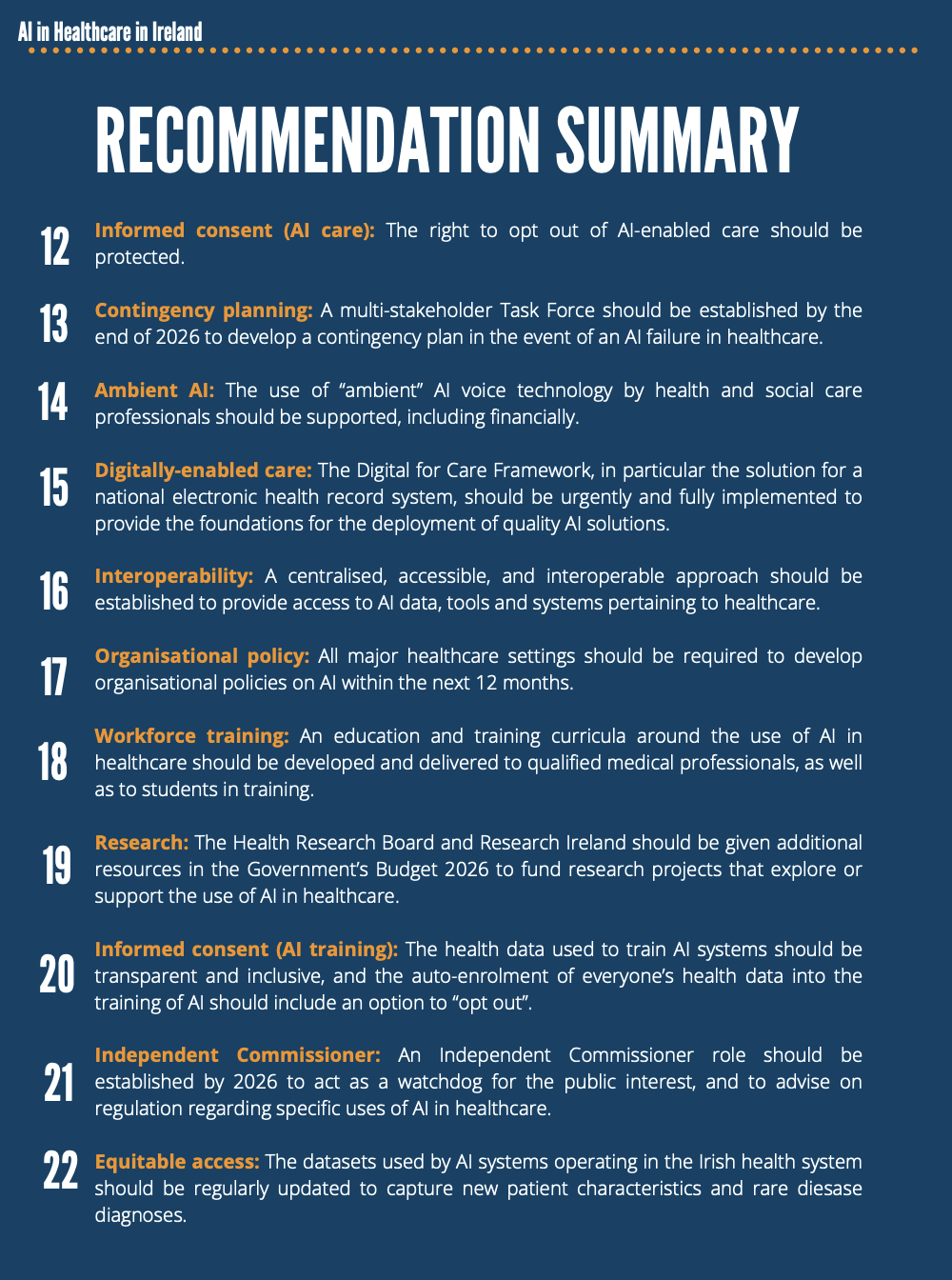
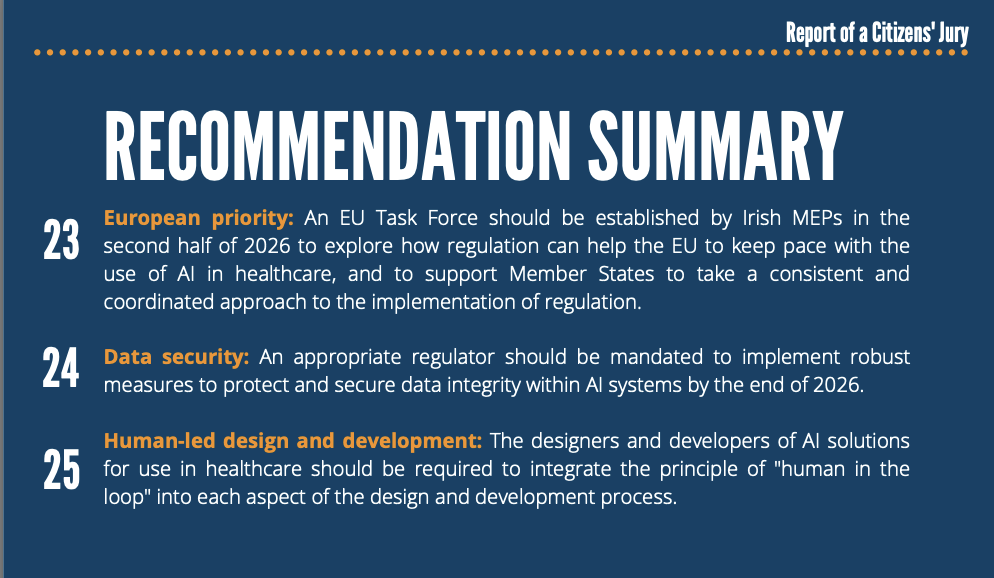
IPPOSI Citizens’ Jury report on Artificial Intelligence (AI) in Healthcare

Read the #IPPOSI Citizens’ Jury report on Artificial Intelligence (AI) in Healthcare- 25 recommendations calling for regulation, public interest champions, ongoing engagement, and more.

This report reflects the outputs from the 2024 IPPOSI citizens’ jury process and it has been compiled by the IPPOSI project team.

Are physicians losing public trust?

“It’s become clear to me that we as physicians and a healthcare system have lost the trust of the public, and I think it’s time we talk openly about what we as a medical community can do to gain it back.”

What physicians say publicly to and about their patients is important to preserving the public’s need to maintain that trust.

If doctors truly don’t want their patients to seek health information online, they need to do this: create a prescription pad-like  list of credible online health resource links that they will feel comfortable sharing with every patient.

“Patients have every right to be suspicious of a system so dysfunctional as to deny them care in the name of profit. Look at the behavior of drug manufacturers, pharmacy benefit managers, insurance companies, and hospitals — they all prioritize profits over patient care.”

CANCER TEST DESIGNED BY NEWCASTLE SCIENTISTS COULD IMPROVE SURVIVAL RATES

Lynch syndrome significantly increases a person’s risk of developing certain types of cancer, in particular colorectal which is the fourth most common cancer in the UK.

Screening for Lynch syndrome means that if a person tests positive, a DNA test can then be offered to their relatives to see who else has the condition, so that they can then be put on a regular programme of checks.

The test can also guide the best treatment to provide, as it can indicate whether a person will respond to immunotherapy, a new and effective approach to cancer treatment with increased accuracy.

Newcastle upon Tyne Hospitals NHS Foundation Trust is leading the rollout of the project and the test is being evaluated for patients at the Royal Marsden Hospital, Manchester University NHS Foundation Trust, Birmingham NHS Foundation Trust and Bristol NHS Foundation Trust.

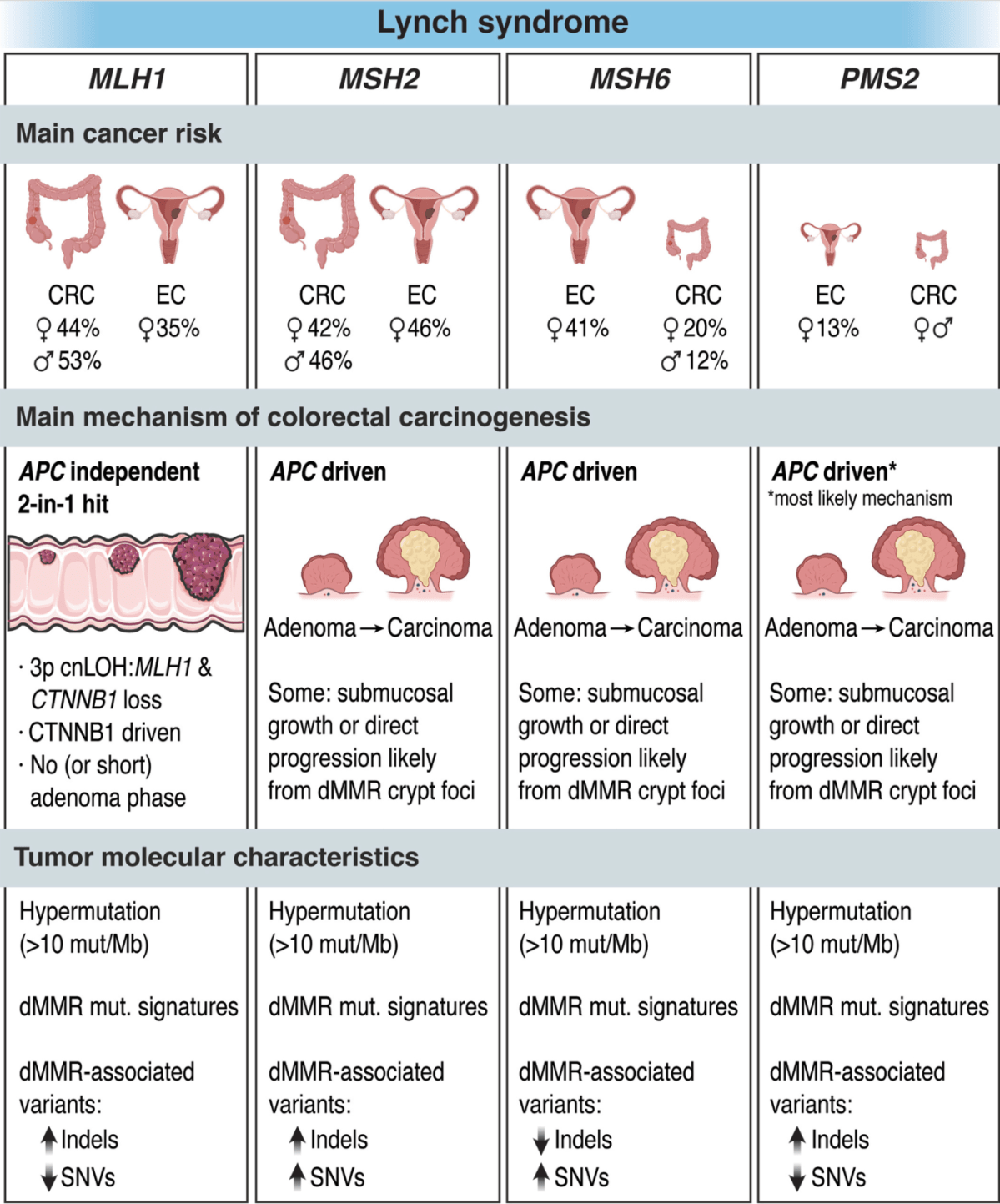
Lynch Syndrome: A Single Hereditary Cancer Syndrome or Multiple Syndromes Defined by Different Mismatch Repair Genes?

Lynch syndrome is the most common type of hereditary cancer syndrome, affecting 1 in 280–400 individuals. This predisposition to cancer is caused by inherited or germline pathogenic changes in the DNA mismatch repair (MMR) genes MLH1MSH2MSH6, and PMS2. In some cases, constitutional promoter methylation of MLH1 or MSH2 (secondary to an EPCAM5′ deletion) is also identified.

Conclusion: it may be appropriate to consider categorising Lynch syndrome as 4 distinct syndromes based on the specific altered MMR gene.

The varying carcinogenic mechanisms and associated cancer risks indicate the need for gene-specific surveillance recommendations in Lynch syndrome. Moreover, the growing understanding of gene-specific differences will likely affect treatment options and efficacy of Lynch syndrome vaccines.

https://www.gastrojournal.org/article/S0016-5085(23)00696-0/fulltext

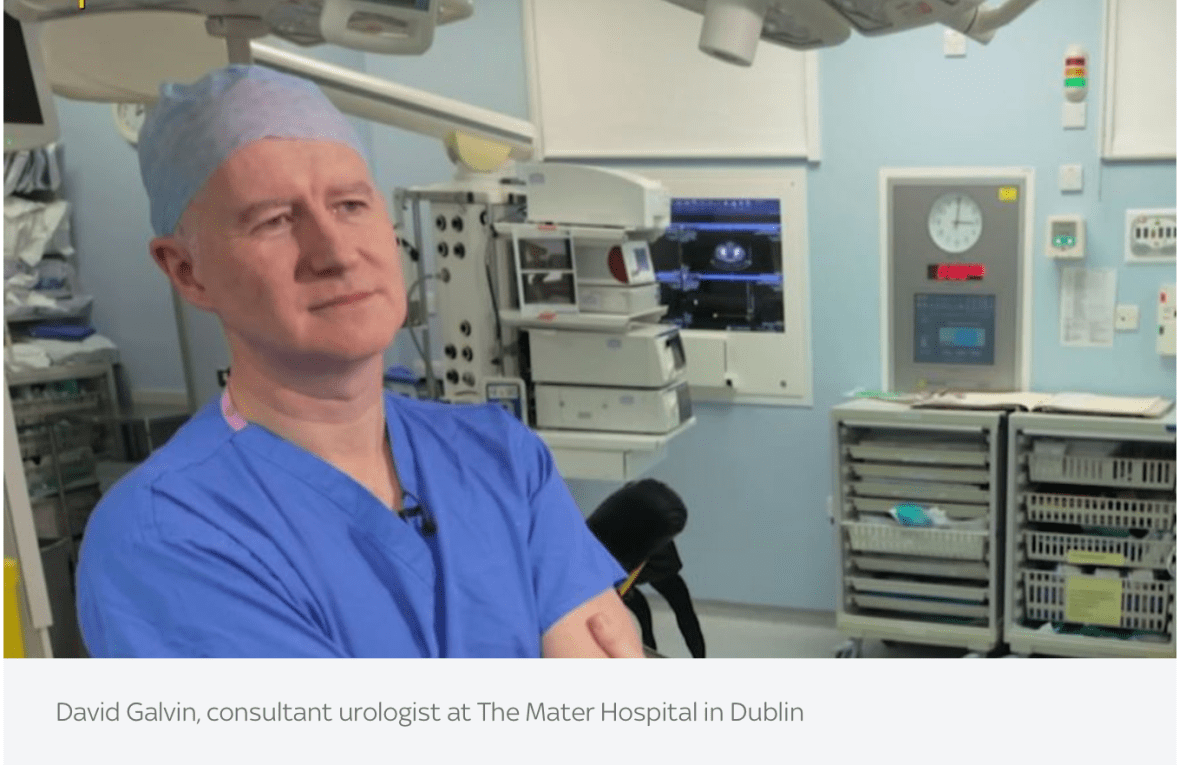
Doctor leading new screening trial warns of ‘sharp rise’ in prostate cancer if disease not detected earlier

Thousands of men are to be checked for prostate cancer in one of the first large-scale European trials of smart screening.

The pilot study, starting next week in Ireland, will combine a blood test with personal risk factors and an MRI scan to increase the accuracy of screening men in their 50s and 60s.

Up to now health experts have rejected population screening in the belief that the benefits of earlier cancer detection were outweighed by the risks that some men could have unnecessary biopsies and risky treatment they don’t need.

But in the Irish pilot study, men will be scored by their PSA level and whether they have other risk factors such as black ethnicity or a family history.

Those at low risk will be retested in future.

https://news.sky.com/story/doctor-leading-new-screening-trial-warns-of-sharp-rise-in-prostate-cancer-if-disease-not-detected-earlier-13313156

What is genomics?

Is the study of an organism’s genome – its genetic material – and how that information is applied. All living things, from single-celled bacteria, to multi-cellular plants, animals and humans, have a genome – and ours is made up of DNA.

CUTTING DOWN CANCER: The algorithms are not your friend when it comes to health 

Today, an estimated 86% of people get their news from a smartphone, tablet, or computer. Between websites, social media, podcasts, and search engines, the sheer volume of digital information available is vast.

Alarmingly, about 40% of the traffic on the internet is not created by humans, and fake news stories are 70% more likely to be forwarded than real ones.

Into this environment, 80% of us look for health information. Studies have found that the majority of this information is not in line with best medical advice.

Remember: The information we receive on our social media is determined by algorithms designed to show us more of what we want to see.

Misinformation is not new, but it is just as dangerous to big decisions now as it ever was.  

Know the facts – own your risk – decide for yourself.

https://www.southernstar.ie/news/the-algorithms-are-not-your-friend-when-it-comes-to-health-4319905