‘Some good friends disappeared from my life’

What I really didn’t expect was some good friends of many years who I had spent a lot of time with simply disappeared out of my life. Some people said, “they obviously weren’t real friends” and initially I agreed, but I now try and be a bit more charitable. I think they probably couldn’t deal with the thought of someone they knew so well having a life-threatening disease or didn’t know what to say.

Tony, 63 was diagnosed with stage 3 colon cancer following a colonoscopy in late 2021, and had surgery and six months of chemotherapy.

He is aiming for a 50-mile run/walk competition in the Lake District in July 2024.

https://www.mission-remission.com/runningforrecovery

The Cancer Gene More Men Should Test For

BRCA mutations are inextricably linked with breasts, but they can also lead to cancer in the pancreas, the prostate, and maybe more parts of the body.

As many as 60 percent of men with changes in BRCA2 develop prostate cancer, yet men are generally far less aware than women that BRCA mutations can affect them at all.

Roughly one in 400 people carry a harmful mutation in BRCA1 or BRCA2, and half of them are men. But women are far more likely to have been tested for the mutations—up to 10 times as likely, according to one study.

UCC researcher to develop a third-level cancer care educational programme to support patients

The GENE-ONC Education programme will support healthcare providers and cancer patients by integrating the study of a person’s genes (Genomics) into routine cancer care through both undergraduate and continuing education programmes. Genomic information and data are increasingly used to inform diagnosis and the choice of treatment strategies supporting much more tailored approaches to the management of cancer.


https://www.ucc.ie/en/news/2024/ucc-researcher-to-develop-a-third-level-cancer-care-educational-programme-to-support-patients.html

Genotes – a ‘just-in-time’ genomics education resource co-designed with clinicians

Have you heard about #GeNotes? Flagship resource of NHSE

designed to support clinicians in requesting and managing complex genomic tests – read all about it!

Powerful new genomic technologies are transforming the way healthcare is delivered, shaping medical practice across all specialties. In this rapidly changing landscape, there is an urgent need to equip the clinical workforce with knowledge and skills to navigate the new healthcare terrain.

They describe the co-design and co-creation of the GeNotes genomic education resource by clinicians, for clinicians. We anticipate that this approach will have relevance and utility for other educators attempting to meet the needs of a diverse set of end-users in similarly fast-moving fields.

https://link.springer.com/article/10.1186/s12909-024-06059-w

Caregivers

Another incredible example of dedication, compassion & tireless efforts of a caregiver providing essential support to loved ones with #LynchSyndrome

https://twitter.com/CGAIGC/status/1861524889976610937

Lynch Syndrome Ireland

Central point for Lynch syndrome related issues in Ireland. An inherited predisposition to certain types of cancer e.g. colon and endometrial.

Bluesky: @lsireland.bsky.social

Instagram: Lynch syndrome Ireland

The Vanishing “Social” in Social Media: The Illusion of Connection

It seems paradoxical, but social media might be making us less social. While we scroll through endless feeds, are we really connecting with others or just consuming content?

So, what about you? Do you feel more connected or isolated when you use social media? Are you building relationships or just consuming content?

https://www.linkedin.com/pulse/vanishing-social-media-illusion-connection-marie-ennis-o-connor-u1yqe/?trackingId=S%2BvxL2DNca%2FfDdZY2YaTsQ%3D%3D

Here’s how to spot early signs of prostate cancer

It’s easy to assume that prostate cancer is a disease that only affects older men. But it can strike at any age, including younger and middle-aged men. Although the average age of diagnosis is 68, about one in ten new cases are in men under 55. In fact, doctors have noticed more cases in younger men in recent years. If you’re in your 40s or 50s, it’s worth knowing about the risks and signs of prostate cancer.

Estimated 1 in 7 at risk thorughout their lifetime.

If you’re worried about any symptoms or about your risk of prostate cancer, don’t hesitate to talk to your doctor. Being proactive about your health is important. Remember, many men diagnosed with prostate cancer go on to live long, full lives, especially when it’s caught early.

https://www.rte.ie/brainstorm/2024/1111/1480273-prostate-cancer-risks-signs-symptons-mri-scan/

Improving Patient Comprehension Through Explanatory Communication

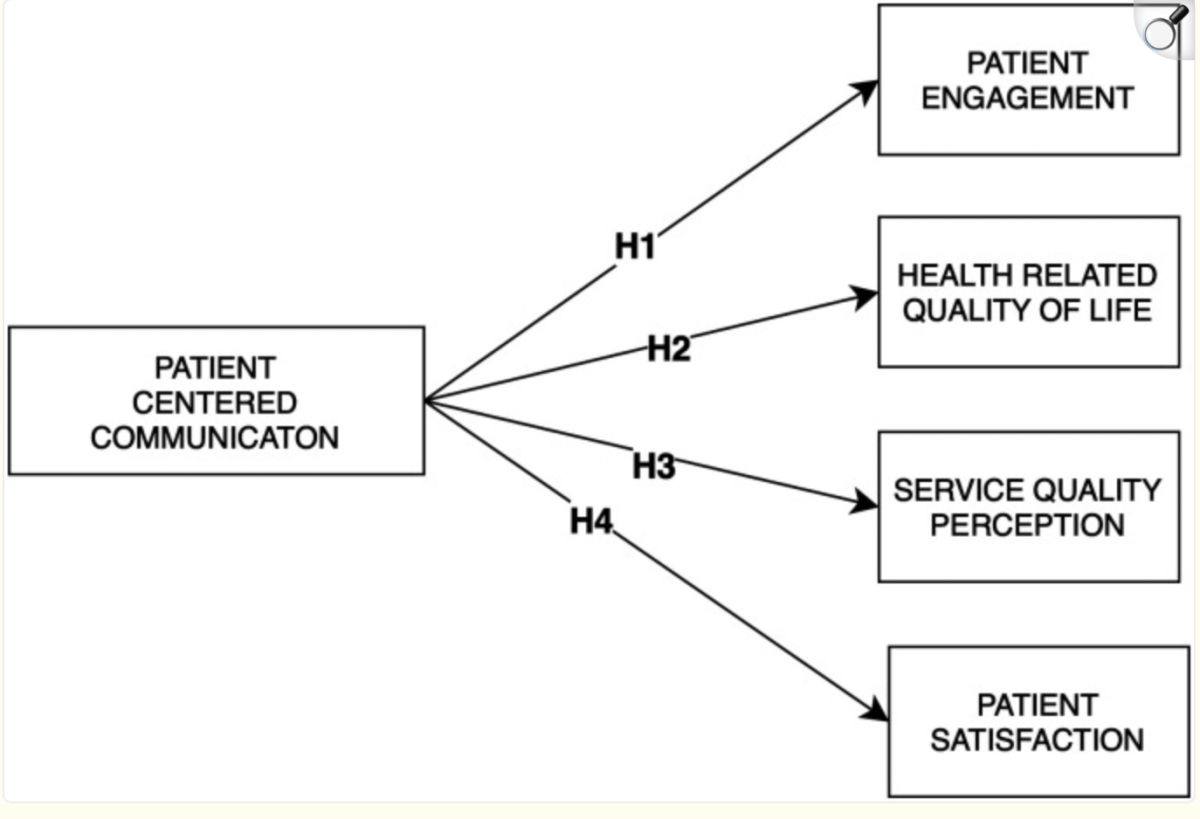
Communication between adult patients with cancer and their health care providers is an important factor in the overall health care experience, contributing to patients’ engagement in treatment, satisfaction with treatment and health care, positive perceptions of health care quality, and ultimately influencing numerous health behaviours and outcomes.

It is important to examine the communication experiences of patients with cancer and the quality of the communication relationship with the service provider, to improve the communication skills of the patient and the service provider, to present patient-centered communication as an integral part of patient-centered care in health systems, and to improve health outcomes by embedding a patient-centered communication perspective.

https://pmc.ncbi.nlm.nih.gov/articles/PMC10901059/#sec23-10732748241236327

Restricted access to effective anti-cancer drugs

Almost all new ‘cutting edge’ or practice changing cancer therapies are developed commercially, by private companies. This is deliberate, even strategic, on behalf of the public sector.

Not cost-effective does not mean not effective.

Is the Two-tier system failing patients?

https://twitter.com/mccarthymt7/status/1860385822953902315

Private patients have swift access to European Medicines Agency (EMA) approved anti-cancer drugs, the charity said.

However public patients must wait on average two years to find out if they will get access to the same drugs.” Irish Cancer Society

https://www.rte.ie/news/health/2024/1122/1482285-cancer-health-funding/