Clinical Trials Information System (CTIS)

Patients and the public can now find information about clinical trials being conducted in Ireland.

You can see which illnesses clinical trials are developing new treatments for, where the trials are taking place, such as in a certain hospital, and find contact details for the sponsor.

Visit the Clinical Trials Information System (CTIS) Public Portal and use the advanced search to search the database of ongoing clinical trials: https://euclinicaltrials.eu/search-for-clinical-trials/?lang=en

The CTIS Public Portal is part of new regulations to make clinical trial information clearer and more accessible.

Genetic Counselling

Genetic counselling is a dynamic and rapidly growing field.

The Ministry of Public Health in Qatar has recently introduced national registration regulations for genetic counsellors in Qatar, officially recognising the genetic counselling profession.

The recognition of the genetic counselling profession is marked as a significant achievement for Qatar toward the protection and future expansion of the profession.

Qatar recognised the importance of incorporating genetic counselling services into its health care system to empower individuals and families with the knowledge needed to make informed decisions about their genetic health.

https://www.sciencedirect.com/science/article/pii/S2949774424010124#sec2

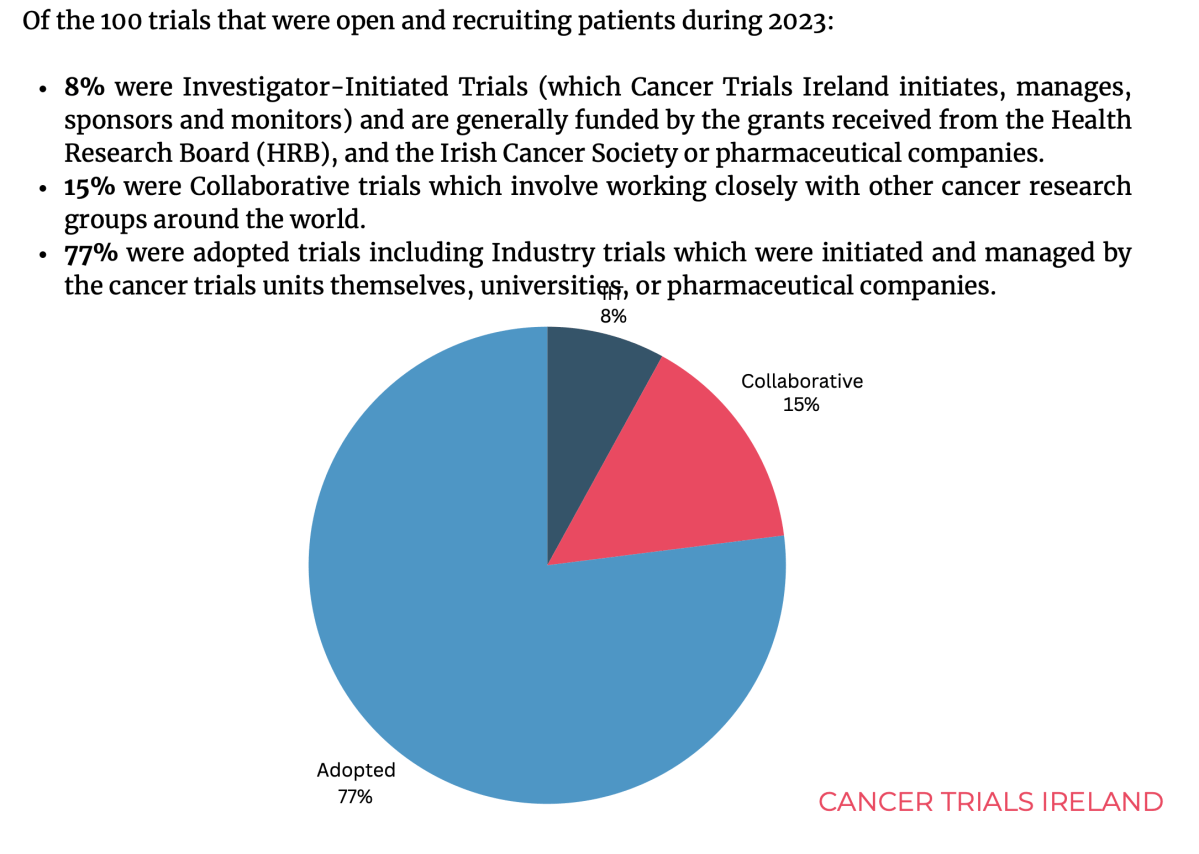
Cancer Trials Ireland

Cancer Trials Ireland is a national network dedicated to advancing cancer
care through clinical trials
, where new treatments and approaches are
thoroughly tested. They unite clinical specialists, researchers, and key
stakeholders to drive evidence-based improvements in cancer outcomes.

See 2023 report:

THE UNMET NEED IN CANCER GENETIC SERVICES(2021)

This one of the recommendations of this report:

Implement a hub and spoke model with genetics expertise within the dispersed oncology system.

Genetics needs to be formally integrated into the cancer treatment pathway with uniform access to genetic testing, molecular tumour boards and access to genetics expertise and support at the point of care for both patients and their clinicians.

Where are we at now?

Resourcing health IT is an investment, not a cost

The current deficits in our digital infrastructure are significant, with inefficient and outdated information technology (IT) systems and hardware.

The continued absence of electronic health records (EHRs) also negatively impacts patient care, staff morale, and productivity.

With the majority of Irish hospital records still paper-based, there is an urgent need to fund a national EHR hospital-wide system without delay.

A fit-for-purpose digital health system for Ireland is essential to provide health staff with the necessary digital tools to optimise efficiency, collaboration, and productivity in a more modern health service. With these tools, consultants will be able to deliver improved accessibility, more efficient workflows, and most importantly enhanced patient care and safety.

My Palliative Care Journey

Throughout my life, I remember hearing about Palliative Care in hushed tones…..

When the lovely registrar arrived at my hospital bed to declare they were moving me to Palliative Care, I practically jumped and vomited from the fear and shock.

Not everyone who attends their hospice as a patient dies from their disease but many do.

Palliative Care is not just for end of life it can also bring quality of life, pain relief and research shows that engaging in it sooner rather than later can extend life. I am doing all that I can do to lengthen mine.

https://peakd.com/health/@clodaghdowning/my-palliative-care-journey?fbclid=IwY2xjawFxvtRleHRuA2FlbQIxMQABHcKlX1krYBQb5bDHbeh_Lk42Z15ZHzumP9EpJ2sgY7ytlb9mQJBRuCG-Bg_aem_fysg-eoiuTHR_bBBI9s-0Q

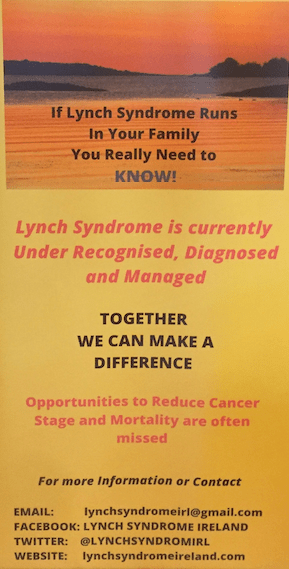
Lynch syndrome – Will I develop cancer?

Unfortunately, cancer is common, and in the majority of cases is not inherited. As many as 1 in 2 people will develop cancer in their lifetime. That is 50% of the world’s population.

Most cancers are not inherited and occur out sporadically or ‘out of the blue’.

Lynch syndrome makes certain (not all) cancer types more likely to develop. This is due having less protection from the cancer mismatch repair genes. This doesn’t mean that you will definitely develop cancer, but having less protection makes it more likely.

The way Lynch syndrome behaves in you and your family can be very different as the affected Lynch syndrome genes interact with other genes as well. Family history should be taken into consideration, but each family member will be affected differently.

What is Lynch Syndrome?

It is a type of inherited cancer syndrome associated with a genetic predisposition to different cancer types. This means people with Lynch syndrome have a higher risk of certain types of cancer.    

What causes Lynch syndrome?

What are the signs of Lynch syndrome?

How is Lynch syndrome diagnosed?

How is Lynch syndrome inherited?

What are the estimated cancer risks associated with Lynch syndrome?

What are the cancer screening options for Lynch syndrome? (USA)

Questions to ask the health care team

https://www.aliveandkickn.org/what-is-lynch-syndrome-1

Today is World Ostomy Day

Did you know that 1 in 355 people in the UK live with an ostomy? These numbers represent individuals who show incredible strength, resilience, and determination every single day.

World Ostomy Day is about raising awareness, educating others, and providing support for ostomates worldwide. It’s a chance to celebrate the courage of those who live with an ostomy and to break down stigma. Every story is unique, every journey inspiring!

➡️ Help us make a difference:

💬 Share your story or words of encouragement

❤️ Raise awareness by talking about ostomies and your experience

🙌 Show support to the ostomy community by using the hashtag #WeAreStMarks and #WorldOstomyDay!