
“When patients with Lynch syndrome—whose first cancers generally appear at an early age—aren’t diagnosed promptly, they don’t get appropriate follow-up or surveillance. They can go on to have multiple different cancers before they are finally diagnosed. If we could identify them when they have their first cancer, we could prevent additional cancers—or at least detect them earlier,” said Megan Hitchins, PhD, director of Translational Genomics in the Department of Biomedical Sciences at Cedars-Sinai and lead author of the study.
Author: Lynch Syndrome Ireland
Researchers believe personalised medicine and vaccines are probably the next big thing in the quest to reduce cancer deaths

The next big advance in cancer treatment could be a vaccine that can shrink tumours and stop cancer from returning, US experts have said.
More than ever, scientists understand how cancer hides from the body’s immune system. Cancer vaccines, like other immunotherapies, boost the immune system to find and kill cancer cells. Some new ones use mRNA, which was developed for cancer but was first used for Covid-19 vaccines.
People with the inherited condition known as Lynch syndrome have a 60 per cent to 80 per cent lifetime risk of developing cancer. Recruiting them for cancer vaccine trials has been remarkably easy, said Dr Eduardo Vilar-Sanchez of MD Anderson Cancer Centre in Houston, who is leading two government-funded studies on vaccines for Lynch-related cancers.
Referral challenges for early-onset colorectal cancer: a qualitative study in UK primary care
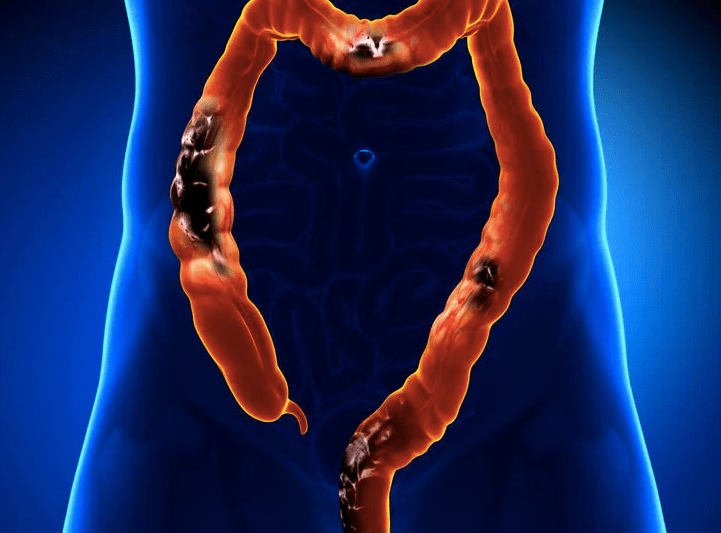
Aim: To explore awareness of the increasing incidence of EOCRC, and to understand the potential barriers or facilitators faced by general practitioners (GPs) when referring younger adults to secondary care with features suspicious for EOCRC.
Results: Three main themes were identified regarding awareness, diagnostic and referral challenges amongst participating GPs. Awareness challenges focused on perceptions of EOCRC being solely associated with hereditary cancer syndromes and colorectal cancer being a condition of older adults. Key diagnostic challenges centred around the commonality of lower gastrointestinal complaints and overlap in EOCRC symptoms with benign conditions. Restrictions in age-based referral guidance and a GP ‘guilt complex’ surrounding over-referral to secondary care summarised the referral challenges. Young women were perceived as being particularly disadvantaged with regards to delays in diagnosis.
Conclusion: This novel research outlines potential reasons, from a GP perspective, for the diagnostic delays seen in patients with EOCRC and highlights many of the complicating factors that contribute to the diagnostic process.
https://pubmed.ncbi.nlm.nih.gov/37433643/ (Note 17 GPS involved)
A Safety and Efficacy Comparison of a New Sulfate-Based Tablet Bowel Preparation Versus a PEG and Ascorbate Comparator in Adult Subjects Undergoing Colonoscopy (2020)

https://www.ncbi.nlm.nih.gov/pmc/articles/PMC7864663/
(515 participants)
RESULTS:
A high rate of cleansing success was seen with OST(Oral sulfate tablets) (92%), which was noninferior to PEG-EA(Polyethylene glycol-electrolyte solution) (89%). Only a small proportion of subjects rated their expected gastrointestinal symptoms as severe (<5% for both preps). No clinically significant differences were seen between preps for chemistry and hematology parameters. No serious adverse experiences were reported with OST.
DISCUSSION:
Sulfate tablets achieved a high level of cleansing in the study, comparable with US FDA–approved preps. OST was noninferior to PEG-EA in this study and achieved significantly more Excellent preps overall and in the proximal colon. The OST prep was well-tolerated, with a similar rate of spontaneously reported adverse experiences to PEG-EA and a low rate of severe expected gastrointestinal symptoms.
Normal Human DNA Variation – Variant of Unknown Significance (VUS)
A short animation from Dr Sally Ann Lynch explaining Variants of Unknown Significance in medical genetics. (2018)
Aspirin Warning: Anemia May Increase With Use

Older people who take daily low-dose aspirin have at 20% higher risk of developing anemia even without having already had a major bleeding event, according to results from a new randomized controlled trial.
Comment: “it is important to put the warnings coming out of the ASPREE trial in context for those with Lynch. The use of prophylactic aspirin is safe in those under 70yrs and leads to a significant reduction in cancer risk. If you’re worried talk to the Dr who prescribed your aspirin.” (Neil Ryan)
How Evolution Helps Us Understand Cancer and Control It
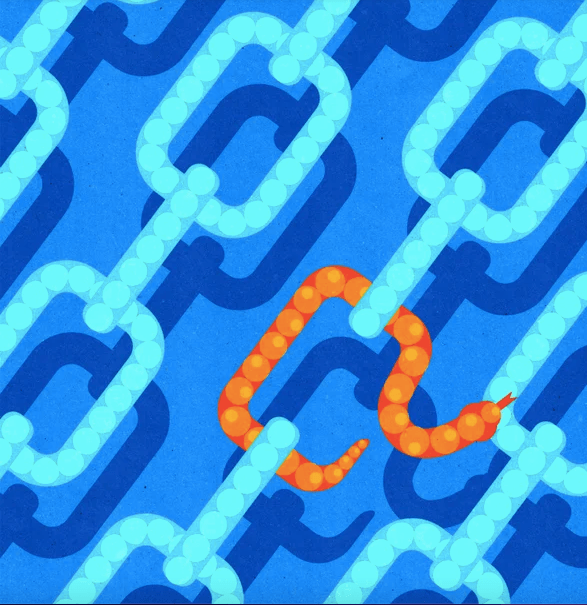
Cancer cells break the rules of normal cells. They divide when they should not, do not die when they should, rob other cells of essential supplies, shirk their cellular jobs and pollute the extracellular space. While cooperating cells curb excess growth and proliferation, cancer cells often evade growth-suppressing signals. Cooperating cells have limited lives, but cancer cells resist cell death and hide from an immune system that would typically destroy them. Normal cells distribute nutrients and chemical signals essential to survival, but cancer cells grow extra blood vessels to grab more resources for themselves. These contrasts show us that cheating is not merely a metaphor for cancer. It is a description of cancer’s cellular reality.
https://www.scientificamerican.com/article/how-evolution-helps-us-understand-cancer-and-control-it/
Postgraduate Certificate in Cancer Genetics and Genomics

What is the Lynch syndrome registry? (England)

The Lynch syndrome registry records and analyses important information about people with Lynch syndrome.
This helps to understand how people with Lynch syndrome are looked after and cared for across England. All information is held on a secure and confidential computer database.
Why have a Lynch syndrome registry?
The registry will collect information from people with Lynch syndrome and help to better understand how these people are currently being monitored and managed.
The registry will ultimately be an efficient system that with the help of the bowel cancer screening programme will allow nationally coordinated care for you and others with Lynch syndrome.
It will also become a valuable central research resource that could be used to support other studies.
Lynch Syndrome Ireland: office assistant

Eddie argues….It’s a no brainer get tested…it could save you or your family members a lot of trouble in the future.
 Lynch Syndrome Ireland