Molecular profiling of pediatric and young adult colorectal cancer reveals a distinct genomic landscapes and potential therapeutic avenues

https://pubmed.ncbi.nlm.nih.gov/38849509/

This study delves into the genomic landscape of EO-CRC, specifically focusing on pediatric (PED) and young adult (YA) patients, comparing them with adult (AD) CRC. 

This study emphasizes the importance of comprehensive molecular investigations in EO-CRCs, which can potentially improve diagnostic accuracy, prognosis, and therapeutic decisions for these patients. Collaboration between the pediatric and adult oncology community is fundamental to improve oncological outcomes for this rare and challenging pediatric tumor.

Study: Colorectal Cancer Rates Are Rising Rapidly Among Children and Teens

This rise in colorectal cancer cases among young people has been well-documented in recent years. However, experts are still working to figure out what’s behind the trend.

The myth that someone can be too young to get cancer is just not true.

  • Colorectal cancer rates are rising significantly among people as young as 10, a new study has found
  • The report sheds more light on the fact that colorectal cancer is increasingly affecting people under the 45 years old—the age at which screenings are recommended to begin(USA).
  • Health officials should invest in more research on colorectal cancer in young people to reverse current trends, experts said.

https://www.health.com/study-colorectal-cancer-rates-children-teens-8648696

COULD ASPIRIN STOP THE SPREAD OF COLORECTAL CANCER?

The recent study, carried out at the Chirurgia Generale Unit in Padova, Italy, involved 238 patients who were treated for colorectal cancer between 2015 and 2019. Among these, 31 patients were regular aspirin users, taking a daily dose of 100 mg.

The findings were promising. Regular use of aspirin was linked to a reduction in nodal metastasis, which is the spread of cancer to lymph nodes, and an increase in tumour-infiltrating lymphocytes. These lymphocytes, including T and B cells, play a crucial role in recognising and destroying cancer cells.

‘Gamechanger’ drug that ‘melts away’ tumours could replace surgery for bowel cancer

A “gamechanger” immunotherapy drug that “melts away” tumours dramatically increases the chances of curing bowel cancer and may even replace the need for surgery, doctors have said.

Pembrolizumab targets and blocks a specific protein on the surface of immune cells that then seek out and destroy cancer cells.

In the trial, funded by Merck Sharp and Dohme and sponsored by University College London, researchers recruited 32 patients with stage two or three bowel cancer and a certain genetic profile (MMR deficient/MSI-High bowel cancer) from five hospitals in the UK.

About 15 percent of patients with stage two or three bowel cancer have this particular genetic makeup.

Patients were given nine weeks of pembrolizumab, also known as Keytruda, before surgery instead of the usual treatment of chemotherapy and surgery, then monitored over time.

Results show 59 percent of patients had no signs of cancer after treatment with pembrolizumab, with any cancer in the remaining 41 percent of patients removed during surgery.

Dr Marnix Jansen, a clinician scientist at the UCL Cancer Institute, said more work needed to be done to assess pembrolizumab before it could be considered standard treatment.

https://www.irishtimes.com/health/2024/06/02/gamechanger-drug-that-melts-away-tumours-could-replace-surgery-for-bowel-cancer-say-doctors/


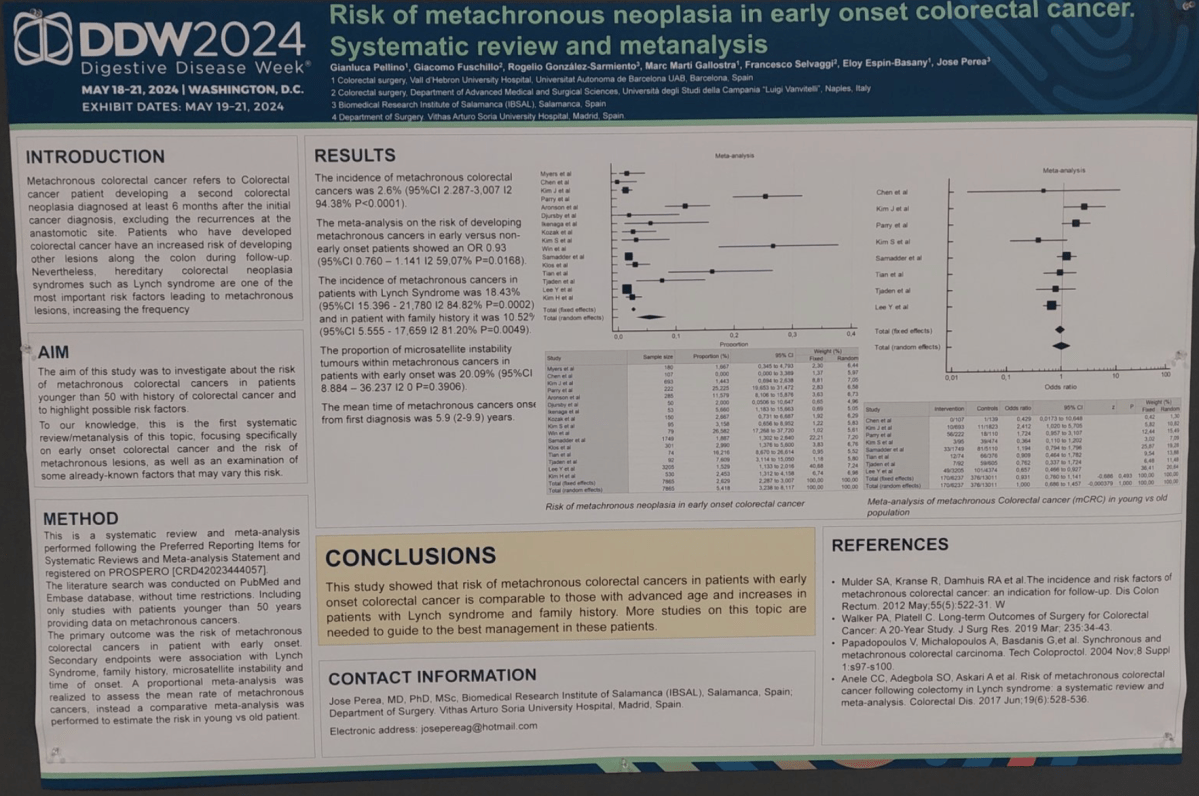
Metachronous Colorectal Cancers Risk in Early Onset Patients

This study showed that risk of metachronous(second new cancer that develops at least six months from the first cancer) colorectal cancers in patients with early onset colorectal cancer is comparable to those with advanced age and increases in patients with Lynch syndrome and family history.

More studies on this topic are needed to guide to the best management in these patients.

What is CTDNA?

Short, information webinar addressing how the latest technology is empowering patients and clinicians to make more informed shared decisions along the continuum of colon cancer care. 

  • What is circulating tumor DNA and how is it used to detect molecular residual disease (MRD) in CRC?
  • All ctDNA tests are not the same – understand the differences.
  • Learn how these assays are used to detect early relapse and why serial testing is so important?

https://cdn.jwplayer.com/previews/oCQ2AVGS

Prospective Lynch Syndrome Database (PLSD) – cumulative risk for cancer by age, genetic variant, and gender in carriers subject to colonoscopy

Objective: Estimates of cancer risk and the effects of surveillance in Lynch syndrome have been subject to bias, partly through reliance on retrospective studies. They have sought to establish more robust estimates in patients undergoing prospective cancer surveillance.

Check out….

http://plsd.eu

Bowels Basics & Breakthroughs

Scan QR code to download your copy of the new excellent patient guide to #BowelCancer in Ireland. Useful to all as contains important information on symptoms & screening – something everyone needs to be aware of! #BowelCancerAwarenessMonth

In Lynch syndrome, high-quality colonoscopy surveillance is of utmost importance for Colorectal Cancer prevention

Background & aims: Colonoscopy reduces colorectal cancer incidence and mortality in Lynch syndrome carriers. However, a high incidence of postcolonoscopy CRC(PCCRC) has been reported. Colonoscopy is highly dependent on endoscopist skill and is subject to quality variability. We aimed to evaluate the impact of key colonoscopy quality indicators on adenoma detection and prevention of PCCRC in LS.

Conclusions: Complete colonoscopies with adequate bowel preparation and chromoendoscopy use are associated with improved adenoma detection, while surveillance intervals of less than 3 years are associated with a reduction of PCCRC incidence. In LS, high-quality colonoscopy surveillance is of utmost importance for CRC prevention.

https://pubmed.ncbi.nlm.nih.gov/33157315