
Category: Genetic Testing

#Dip4GODay & #WorldGODay

Consumer genetic test results ‘causing unnecessary breast cancer alarm’
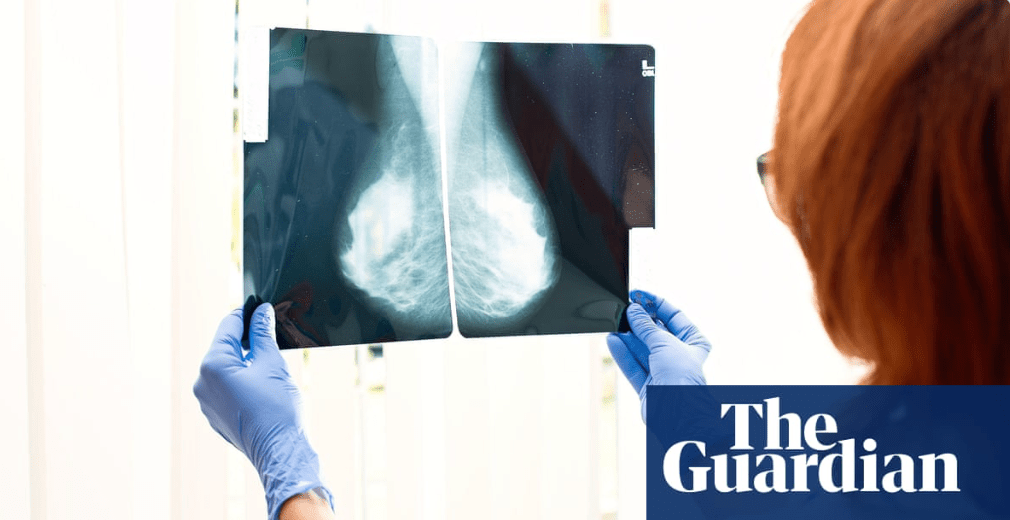
Consumer genetic test results ‘causing unnecessary breast cancer alarm’… this is why pre- and post-test counselling is crucial!
This latest study suggests that the risk carried by BRCA variants depends on secondary genetic factors, meaning family history is crucial for understanding an individual’s risk.
#GOforTesting #GOforPrevention

What do negative results from a genetic test mean?
Sounds like good news. Negative test results means that the laboratory didn’t find any mutations in one´s  DNA that are known to increase the risk of developing cancer.
 But don’t forget! It is still necessary to undergo regular check-ups and take care of your health every day.
Does Colon Cancer run in YOUR Family?
The genetic risk for colon and rectal cancer.
- The risk of developing colorectal cancer increases 2-3 times when a parent, sibling, or child is diagnosed compared to those with no family history.
- The risk increases 3-6 times over the general population, when a relative is diagnosed at a young age or if there is more than one relative with colorectal cancer.
- About 20% of all colorectal cancer patients have a close relative who was also diagnosed with the disease.
- About 5% of patients with colorectal cancer have a well-defined genetic syndrome that causes the disease like Lynch syndrome or familial adenomatous polyposis (FAP). These conditions are linked with higher risks for colon and other cancers.
- Lynch syndrome accounts for 2- 4% of all colorectal cancer cases.
- FAP is the second most common predisposing genetic syndrome; for these individuals, lifetime risk of colorectal cancer approaches 100% without intervention.
20-year-old patient: You’re never too young to get colorectal cancer
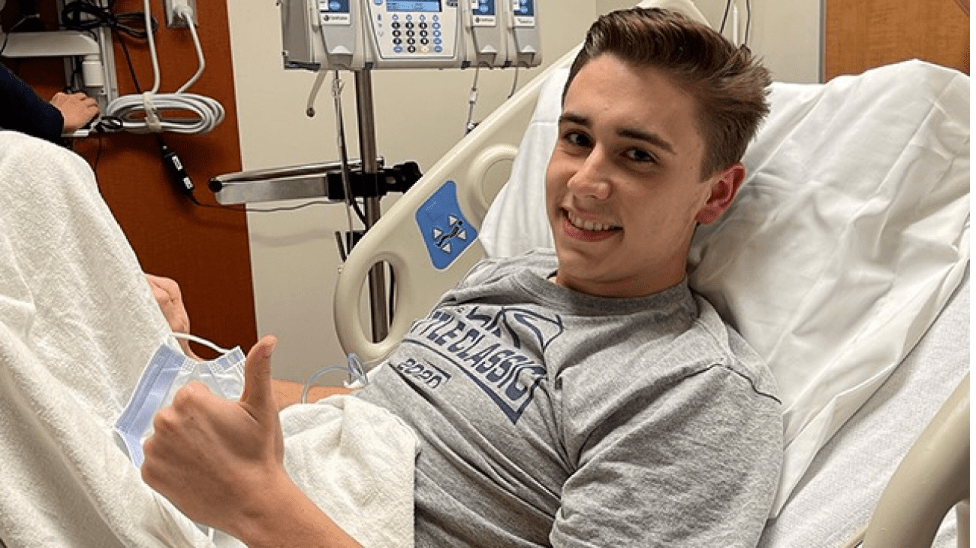
“I learned the reason right after my diagnosis: genetic testing showed I have Lynch syndrome. It’s a hereditary condition that makes me more likely to develop multiple cancers over my lifetime. I am the first person in my family to have it.”
How having Lynch syndrome has helped me
“If there’s anything good to be said about having Lynch syndrome, it’s probably that it made me eligible to participate in a clinical trial …”
“An Individual Doesn’t Get Cancer, a Family Does”

“I had always assumed that this type of potentially life-saving information would be openly shared within the family. And that the individual’s doctors would alert other family members as well. Naively, I had believed the “duty to warn” applied to genetic cancer risks.“
https://www.facingourrisk.org/blog/an-individual-doesnt-get-cancer-a-family-does
In oncology family history should NEVER be considered “non-contributory”
We need a genomics-savvy healthcare workforce

Genetics has long been used in specific areas of medicine, such as for the diagnosis of rare diseases caused by pathogenic mutations or in the context of prenatal genetic testing; however, it is now diffusing across many domains of clinical practice.
The interpretation of clinical genetic information and its communication to patients are by no means trivial. In the case of genetic tests, for example, the ideal scenario is that the test provides information on whether the patient carries an actionable pathogenic variant.
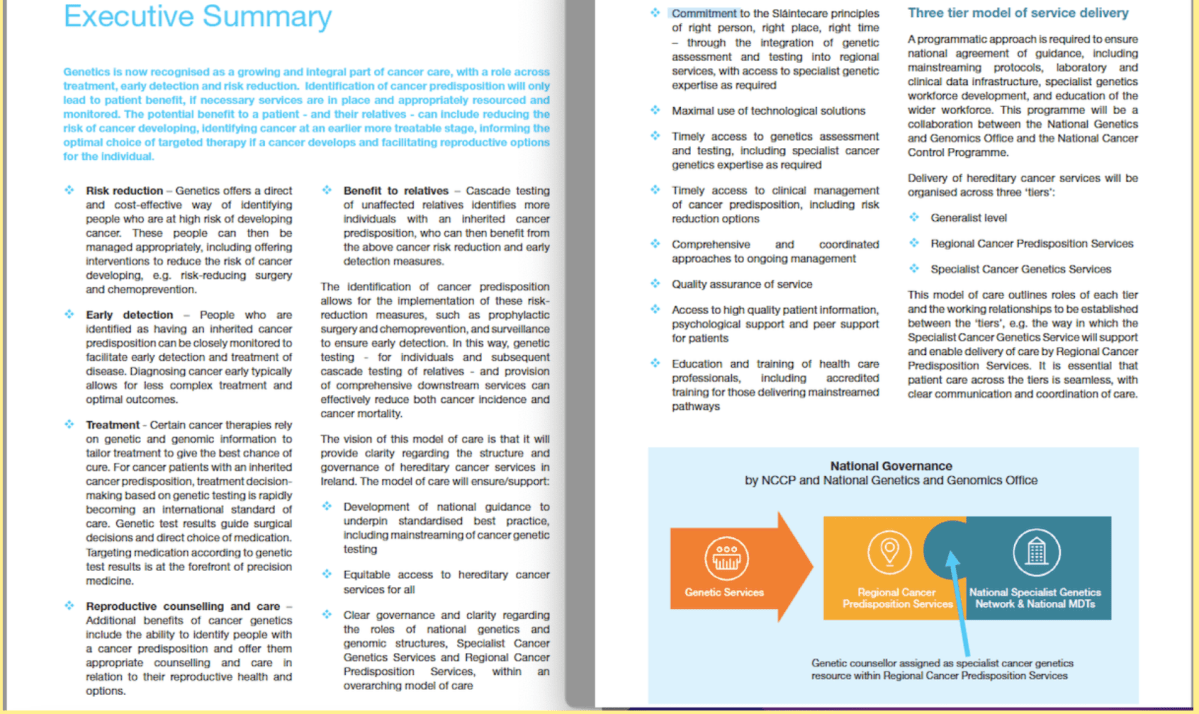
The increasingly central role of genomics in healthcare means that not only are more genetic counselors needed, but also multidisciplinary teams are essential for utilising genomic technologies in the clinical setting.
A rapidly evolving genomic revolution is poised to shape the future of healthcare, but its full clinical potential can be realized only with the development of a multidisciplinary healthcare workforce capable of evolving to stay abreast of rapidly developing genetic technologies.
 Lynch Syndrome Ireland