European Health Data Space (EHDS) Regulation

What are the implications for patients?

The primary goal of the EHDS is to empower patients to access their health data and enable health professionals to consult patients’ medical records, through Electronic Health Records (EHRs). It will enable citizens in the EU to access, manage, and share their health data electronically (primary use), and facilitate its use for public interest, policy making, and research (secondary use). 

To ensure a successful enforcement of the regulation and mitigate any unintended consequences, we call on Member States and the European Commission to prioritise the following key actions during the implementation period: 

  • Accessibility and Usability: EHR systems must be user-friendly, with clear interfaces. 
  • Transparency: Patients should have transparent information in lay language on how their health data is collected, stored, used, and protected within the EHDS framework. 
  • Consent: It is crucial to provide patients with complete information on the opt-out mechanism from the re-use of health data for secondary purposes. 
  • Digital Health Literacy: It is essential to continue promoting digital health literacy programmes, especially in underserved and rural communities. 
  • Stakeholder Engagement: The EHDS stakeholder forum should function as a true advisory board, whose feedback and recommendations are actively incorporated and acted upon. 
  • Financial Considerations: Addressing concerns about the financial burden on Member States and regions is crucial for sustainable implementation.  
  • Security and Privacy: Ensuring state-of-the-art security measures to strengthen the protection and cybersecurity surrounding data storage and processing is of utmost importance. 
  • Minimising Legal Uncertainty: It is critical to reduce legal uncertainties surrounding the implementation of EHDS. 
Should HSE hire a team of engineers?

Absolutely.

@mccarthymt7 “If the HSE wants to improve efficiency in the healthcare system, they should hire a team of engineers with medical experience to examine the processes in place in service delivery, and give them the authority to effect changes in service provision that would maximise patient flow. Otherwise, more nurses, more HSCPs, more doctors, and more space to work in would help, and is needed across the board. The imbalance between capacity and demand at the point of provision of care seems glaring to me.”

The very obvious shortages of hospital beds, theatres, diagnostic, and other facilities across the country need to be addressed, together with filling the hundreds of consultant posts that are vacant or filled on a temporary basis.

EPI what?

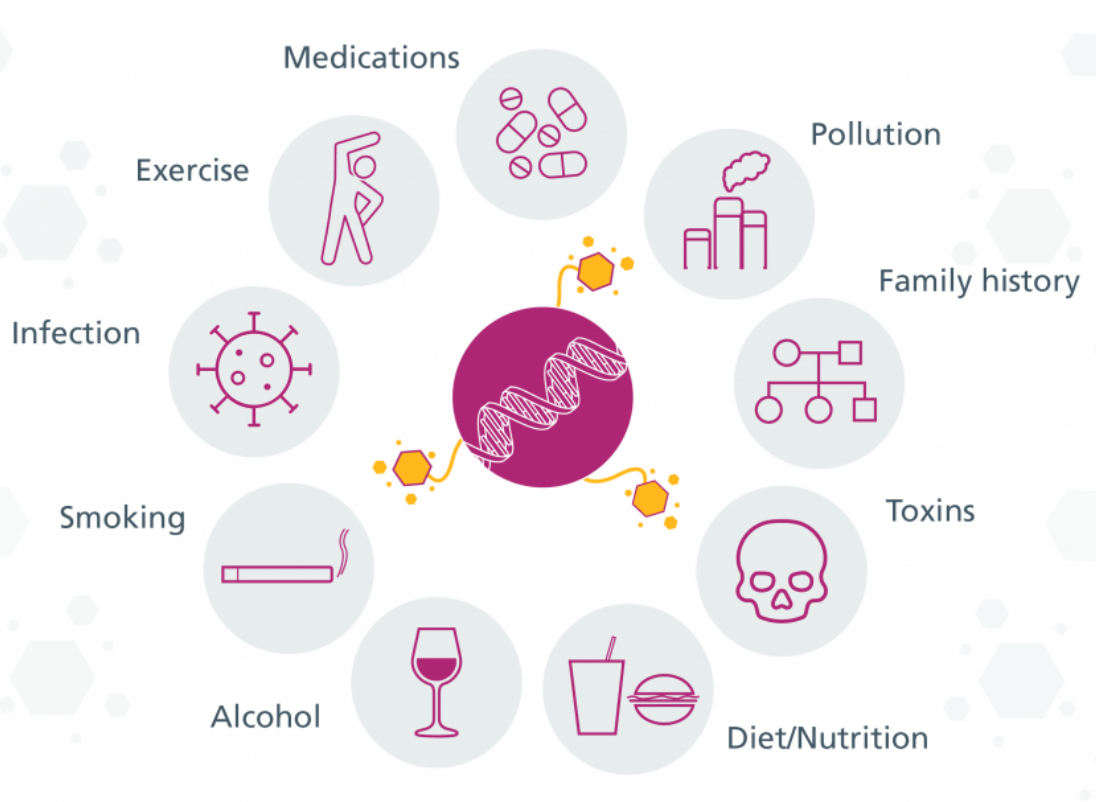
Epigenetics: Is a way of influencing how our genome is regulated without the DNA code itself being changed. Epigenetics can determine when genes are turned on and off (also referred to as gene expression), and which proteins are produced as a result. It can even control the structure of the genome, relaxing the tightly packed chromosomes to allow the factors which control gene expression access to the genes within.

One example of an epigenetic modification is methylation, which is associated with switching genes off. Here, a chemical called a methyl group attaches to a region near the start of a gene and prevents it from being switched on.

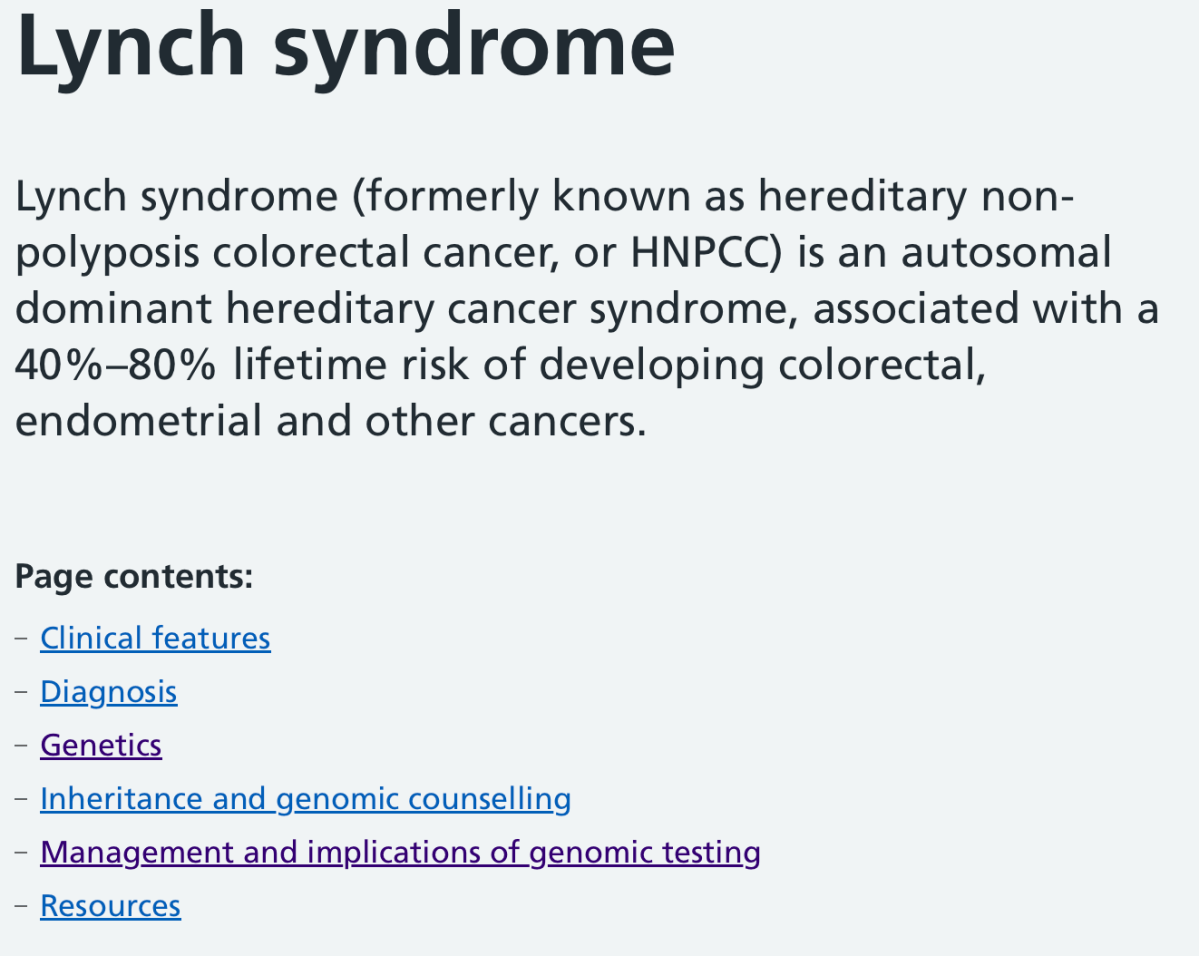
Lynch syndrome also illustrates the significance of the epigenetic component in cancer development. Inactivation of tumor suppressor genes by epigenetic mechanisms is an acquired property of many tumors developing in Lynch syndrome.

https://www.genomicseducation.hee.nhs.uk/education/core-concepts/what-is-epigenetics/

Cancer in the Family

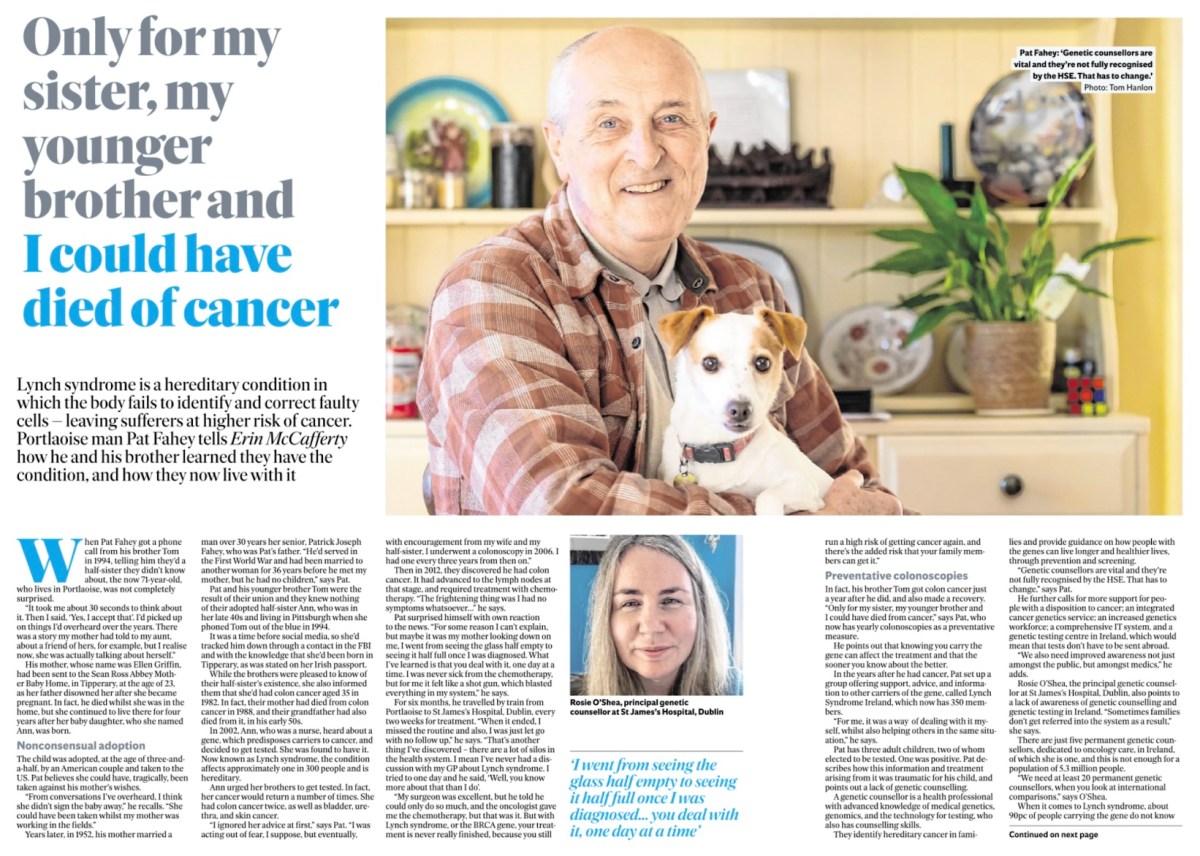
If Lynch syndrome runs in your family you really need to know.

https://www.independent.ie/life/health-wellbeing/health-features/cancer-in-the-family-our-sister-was-adopted-to-america-if-we-hadnt-found-her-my-brother-and-i-could-have-died-of-cancer/a680132515.html

GeNotes: Genomic notes for clinicians

GeNotes has been created collaboratively with experts across the NHS to provide practical information and support for fellow clinicians who need to access genomic testing for their patients. Find out more here:

https://buff.ly/4a5kPD0

Who should I tell if I have Lynch syndrome?

It is important to tell your parents, brothers and sisters and relatives about your diagnosis, as they have a 1 in 2 chance of having Lynch syndrome. Knowing if you or a family member has Lynch syndrome can help them to take steps to reduce their risk of developing cancer.

If you have children, they also have a 1 in 2 chance of developing Lynch syndrome. You will need to talk to them as well. Deciding how and when to have this conversation can be difficult. Talk to your children using language they understand and, in an age, appropriate way. Children are often more aware of adult worries than we expect. Being open with them can make them feel included and ease their worries.

In general, healthcare providers will not offer genetic testing to people who are under 18, unless there is a concern about childhood cancer.

If you don’t have children but you are considering starting a family and have concerns about the risk of Lynch syndrome, it is important to discuss different options with your healthcare provider and genetic counsellor. They will help you make an informed decision.

Health literacy – clearer cancer communication for better Health

Health literacy is the ability to get, understand and use healthcare information.

The Irish Cancer Society want to empower people with confidence and skills to cope better with their cancer and avoid unnecessary physical and emotional difficulties. 

Clear, efficient communication is vital to help patients to understand and make decisions about their treatment and to manage side-effects. Using established health-literacy friendly techniques can make interactions more effective, saving time and avoiding unnecessary follow-up and service use.

https://www.cancer.ie/cancer-information-and-support/cancer-information/health-literacy-clearer-cancer-communication-for-better-health#empowerment


Hospital services in Ireland

There are 3 different types of hospitals in Ireland:

  • Public hospitals run by the State through the Health Service Executive
  • Voluntary public hospitals, are mainly state-funded but are sometimes owned by private bodies. For example, religious orders. Other voluntary public hospitals are run by boards often appointed by the Minister for Health
  • Private hospitals receive no state funding

https://www.citizensinformation.ie/en/health/health-services/gp-and-hospital-services/hospital-services-introduction/#b8e591

You’re Young, But It Might Be Cancer

At Digestive Cancers Europe(DiCE), they firmly believe that supporting early detection is essential for better outcomes and improving the quality of life for every patient.

By reading “You’re Young, But It Might Be Cancer,” you will gain valuable insights and perspectives from these brave survivors and contribute to DiCE’s efforts in raising awareness and empowering patients and their families.

https://digestivecancers.eu/youre-young-but-it-might-be-cancer/