Managing Neuropathy

Each chemotherapy drug or combination has its own side effects. Most side effects can be easily controlled by medicines. Not everyone will have the same side effects. Your healthcare team will give you information about the side effects that are most likely to affect you. You might find it helpful to keep a note of any that you experience.

Oxaliplatin (Eloxatin®)

You might have tingling or numbness in your hands and feet. This is called peripheral neuropathy. Talk to your medical team if you have these symptoms.

You may get pins and needles, weakness or numbness. This can make it hard to do everyday things like writing, picking up small items and walking. These symptoms can be triggered or made worse by the cold. Your healthcare team may advise you to wear gloves when you use the fridge or freezer and avoid chilled food or drinks for a few days after each treatment.

You may get neuropathy symptoms during your chemotherapy cycle and for up to two weeks afterwards. Symptoms may improve once you finish treatment but in some people, neuropathy can last for months or years after treatment.

Tell your healthcare team if you have any symptoms of neuropathy. If the symptoms are affecting your daily life, your doctor may suggest lowering the dose of oxaliplatin or changing your treatment.

https://twitter.com/bowelcanceruk/status/1868033470100074851
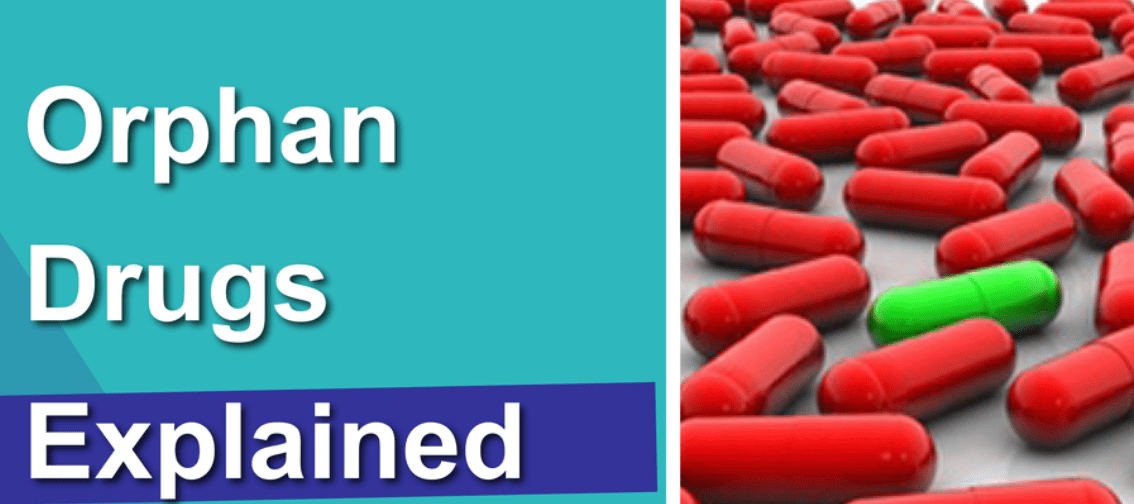
What is an orphan drug?

The so-called ‘orphan drugs’ are intended to treat diseases so rare that sponsors are reluctant to develop them under usual marketing conditions.

Efforts have been jointly made at national and European levels by industry and health authorities (EMEA – European Medicines Evaluation Agency), in order to offer the incentives required to stimulate the development of orphan drugs. The goal was to rapidly make available, for rare diseases, drugs with a level of quality equivalent to that required for any other drug.

https://www.orpha.net/en/other-information/about-orphan-drugs?stapage=europe

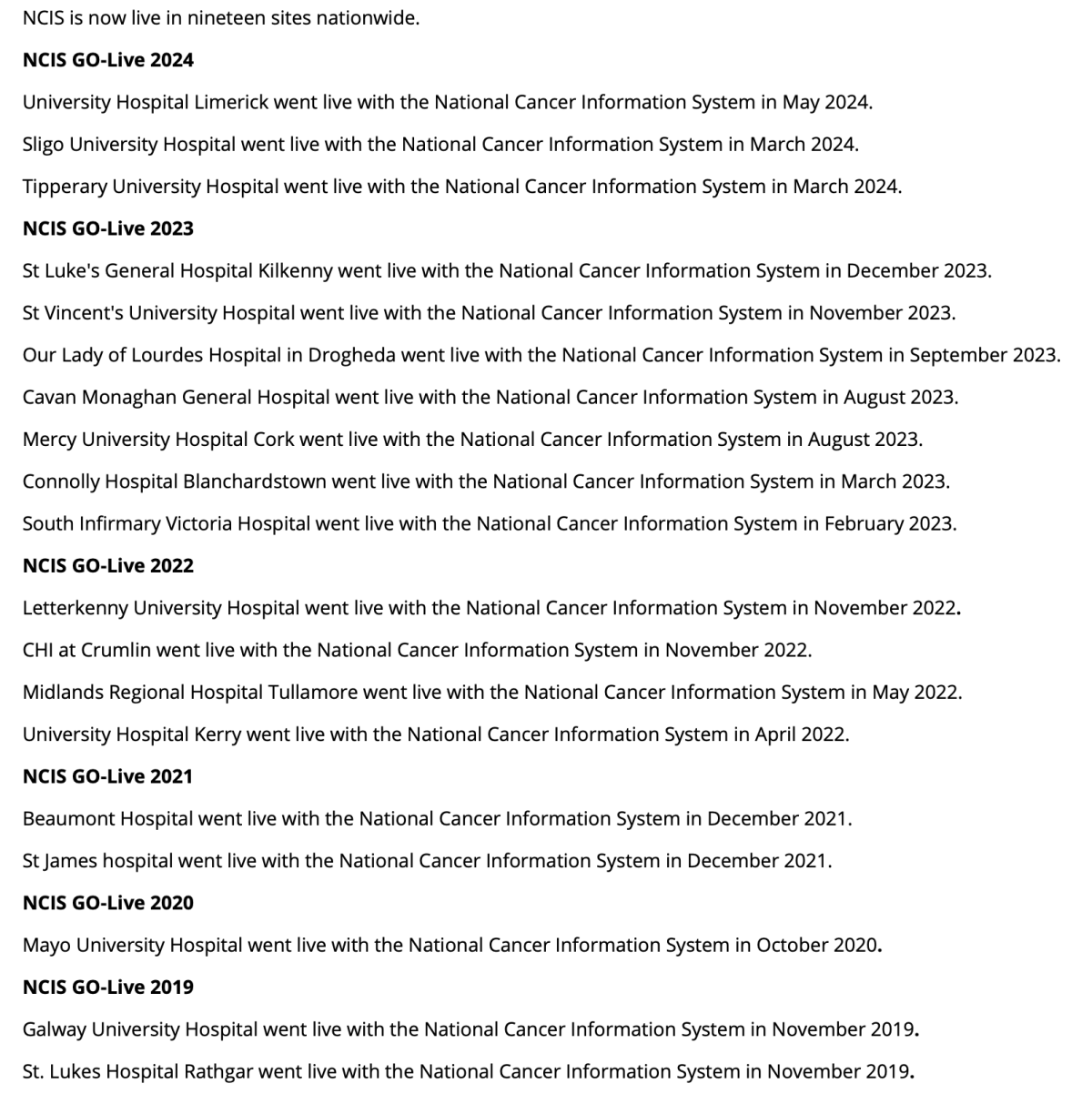
What is the National Cancer Information System(NCIS)?

NCIS is a single national computerised system that records and stores information relevant to your health care. This information includes your:

  • Name and address
  • medical history
  • cancer diagnosis
  • treatment possibilities
  • cancer drug treatment (also known as chemotherapy).

What are the benefits of the NCIS?

  • easier access to your cancer care information for your medical team
  • information is available to all staff involved in your care even if it is not in the hospital you usually attend
  • better security of your personal information
  • greater safety in prescribing chemotherapy

https://www.hse.ie/eng/services/list/5/cancer/profinfo/medonc/projects/ncis%20patient%20information%20leaflet%20.html

National Cancer Registry Report

The National Cancer Registry was established by the Minister for Health in 1991. It has been collecting comprehensive cancer information for the population of the Republic of Ireland since 1994

This information is used in research into the causes of cancer, in education and information programmes, and in the planning and management of cancer services to deliver the best cancer care to the whole population.

    NCCP

    National Cancer Strategy states: The NCCP provides leadership across the continuum of cancer care.

    The overall strategic input and impact of the NCCP will continue to be in the following areas:

    Leading on the implementation of cancer policy and on
    the development of cancer services including in the areas
    of prevention and survivorship;

    Defining evidence-based guidelines and practice in cancer
    care;
    Commissioning and monitoring service provision;
    Leading on the implementation of capital projects to
    ensure optimum patient access to diagnostics and
    treatment; and
    Developing programmes to promote best practice in
    cancer care, including workforce planning and education/
    training programmes.

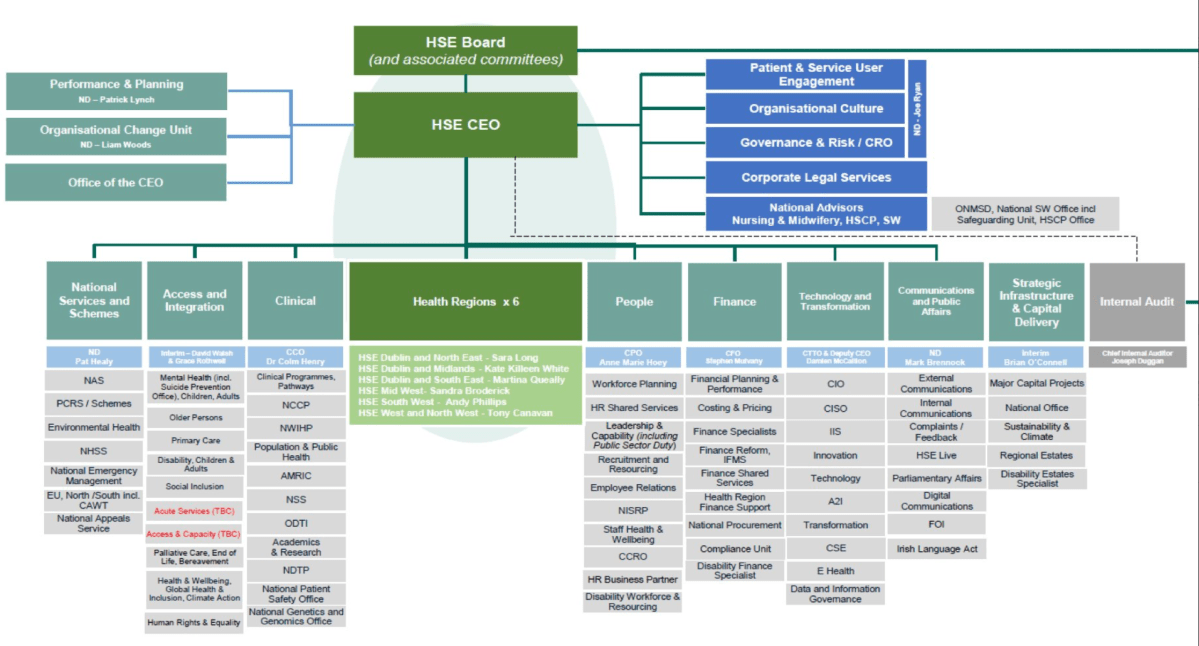
    In the New HSE structure NCCP ” appears to have been operationally sidelined.” per https://x.com/mccarthymt7/status/1864072001197125715

    Do you agree?

    UCC researcher to develop a third-level cancer care educational programme to support patients

    The GENE-ONC Education programme will support healthcare providers and cancer patients by integrating the study of a person’s genes (Genomics) into routine cancer care through both undergraduate and continuing education programmes. Genomic information and data are increasingly used to inform diagnosis and the choice of treatment strategies supporting much more tailored approaches to the management of cancer.


    https://www.ucc.ie/en/news/2024/ucc-researcher-to-develop-a-third-level-cancer-care-educational-programme-to-support-patients.html

    Genotes – a ‘just-in-time’ genomics education resource co-designed with clinicians

    Have you heard about #GeNotes? Flagship resource of NHSE

    designed to support clinicians in requesting and managing complex genomic tests – read all about it!

    Powerful new genomic technologies are transforming the way healthcare is delivered, shaping medical practice across all specialties. In this rapidly changing landscape, there is an urgent need to equip the clinical workforce with knowledge and skills to navigate the new healthcare terrain.

    They describe the co-design and co-creation of the GeNotes genomic education resource by clinicians, for clinicians. We anticipate that this approach will have relevance and utility for other educators attempting to meet the needs of a diverse set of end-users in similarly fast-moving fields.

    https://link.springer.com/article/10.1186/s12909-024-06059-w

    Lynch Syndrome Ireland

    Central point for Lynch syndrome related issues in Ireland. An inherited predisposition to certain types of cancer e.g. colon and endometrial.

    Bluesky: @lsireland.bsky.social

    Instagram: Lynch syndrome Ireland

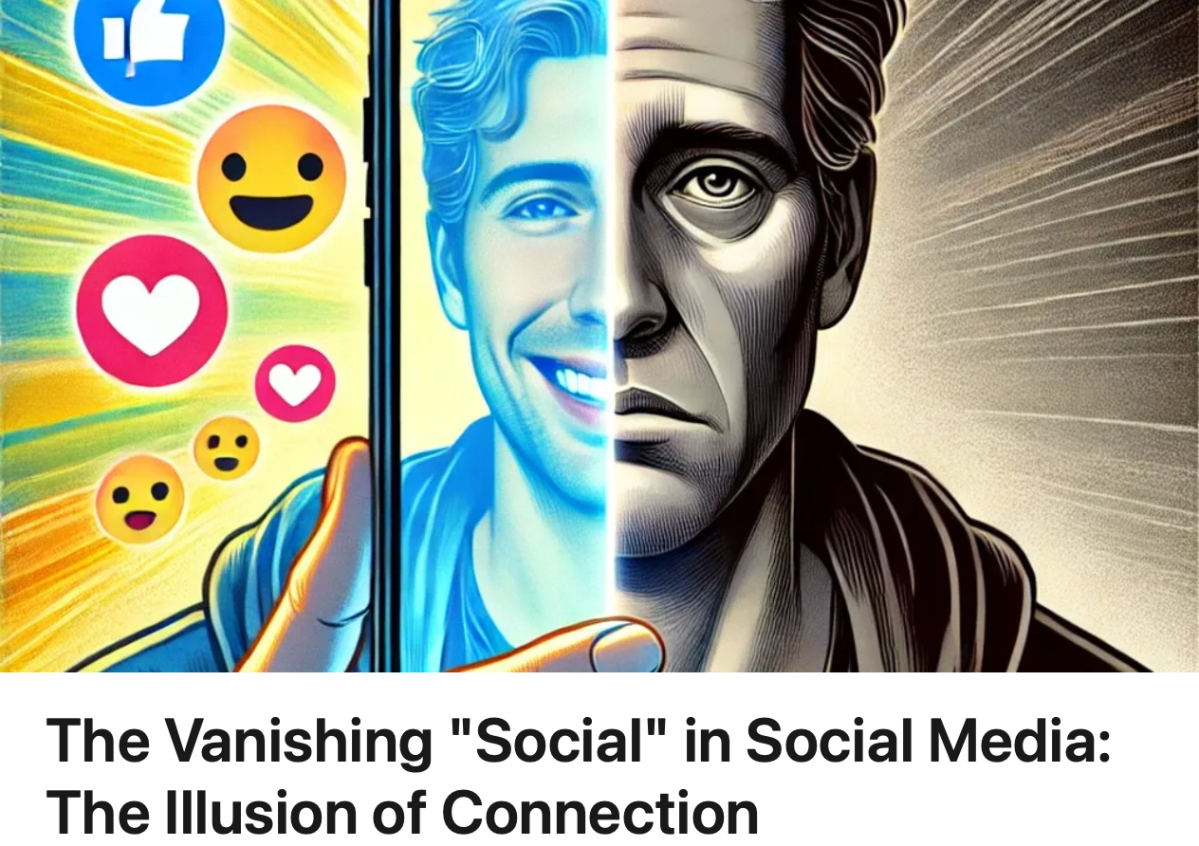
    The Vanishing “Social” in Social Media: The Illusion of Connection

    It seems paradoxical, but social media might be making us less social. While we scroll through endless feeds, are we really connecting with others or just consuming content?

    So, what about you? Do you feel more connected or isolated when you use social media? Are you building relationships or just consuming content?

    https://www.linkedin.com/pulse/vanishing-social-media-illusion-connection-marie-ennis-o-connor-u1yqe/?trackingId=S%2BvxL2DNca%2FfDdZY2YaTsQ%3D%3D

    Improving Patient Comprehension Through Explanatory Communication

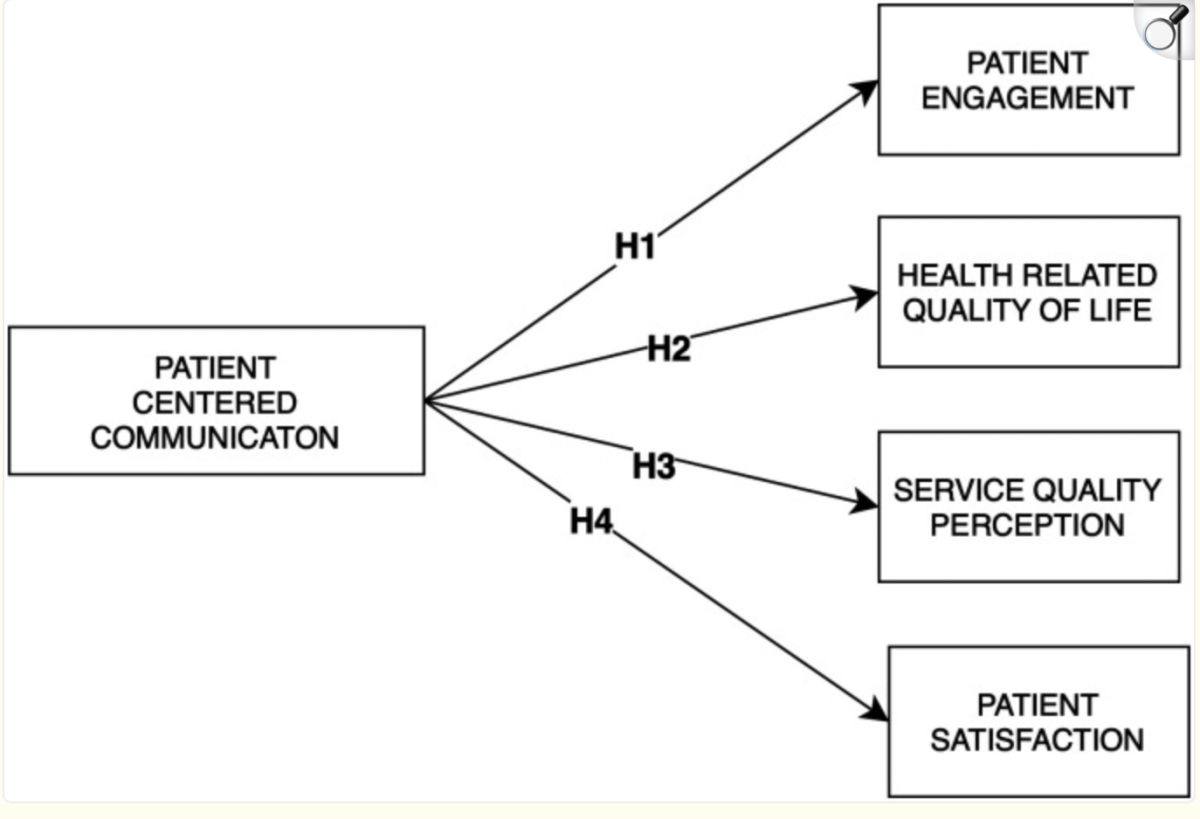
    Communication between adult patients with cancer and their health care providers is an important factor in the overall health care experience, contributing to patients’ engagement in treatment, satisfaction with treatment and health care, positive perceptions of health care quality, and ultimately influencing numerous health behaviours and outcomes.

    It is important to examine the communication experiences of patients with cancer and the quality of the communication relationship with the service provider, to improve the communication skills of the patient and the service provider, to present patient-centered communication as an integral part of patient-centered care in health systems, and to improve health outcomes by embedding a patient-centered communication perspective.

    https://pmc.ncbi.nlm.nih.gov/articles/PMC10901059/#sec23-10732748241236327