
Category: Information
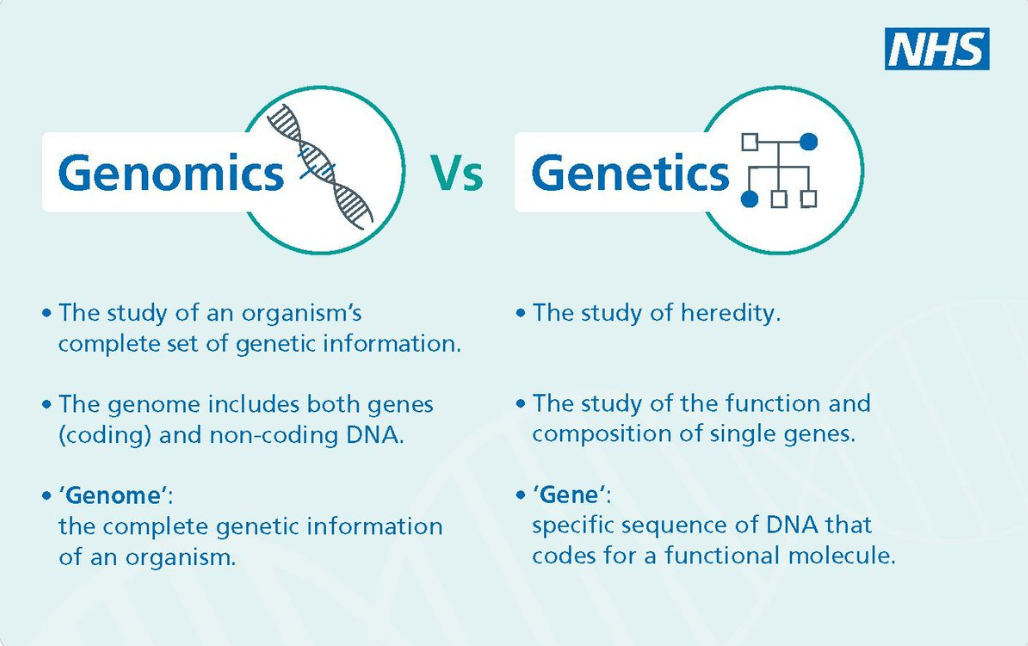
Genetics V Genomics
Difference between Coding and Noncoding DNA
| Coding DNA | Noncoding DNA |
| They have a DNA sequence to encode for proteins. | These DNA sequences do not encode for protein. |
| The coding sequence has exons. | It has regulatory elements, introns, repeating sequences, pseudogenes, and telomeres. |
| They are approximately 1% of our total genome. | They form around 99% of our genome. |
| They encode proteins that have regulatory, structural, as well as functional importance. | They control and regulate gene activity. |
Access to New Drugs….
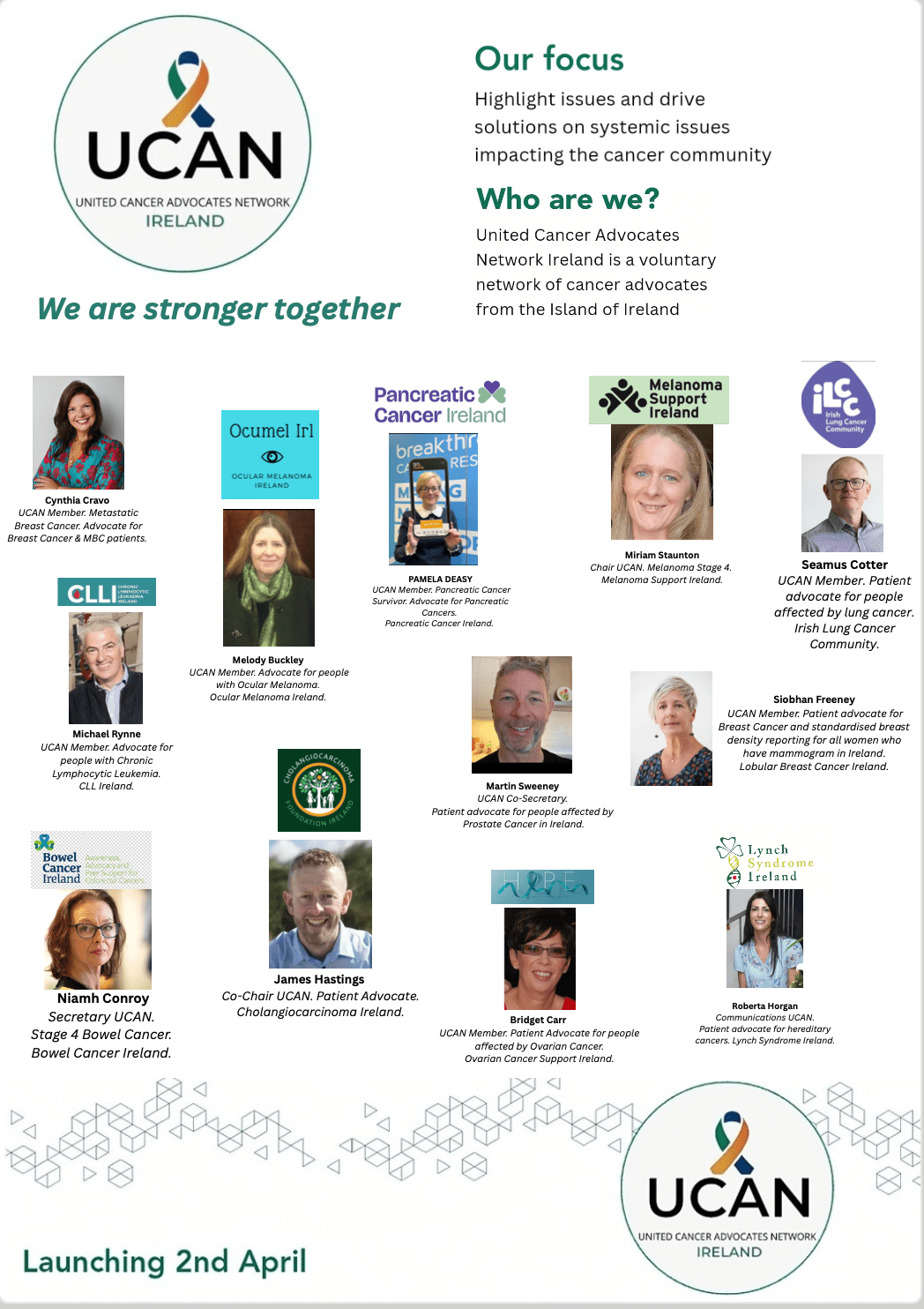
Matt Cooper the Last word. Miriam Staunton Talks about UCAN Ireland launch and problems around access to New Drugs. Listen back here
UCAN
Digitisation of health service will be clinician-led – HSE Deputy CEO
The EU has set a deadline of 2030 for Member States to have EHRs accessible to all citizens.
“This is a big project, certainly €2 billion to €3 billion over 10 years. This is not a small investment. It’s very significant. That’s not just the product. That’s all of the staff, all of the change,” he said. “If we don’t make the investment and take some pain, we won’t get the return at a later point.”
…..About time.
Consultant rostering and productivity under the microscope
The Irish Hospital Consultants Association (IHCA) position is that no patient should be on a waiting list for more than six weeks. This objective is “realistic when looking at other EU countries”.
“To achieve this, the very obvious shortages of hospital beds, theatres, diagnostic, and other facilities across the country need to be addressed, together with filling the hundreds of consultant posts that are vacant or filled on a temporary basis.
@mccarthymt7 “I think there is a big gap between the department of health and in-real-time hospital operations.
Consultants cannot deliver all of the activities that are necessary for efficient patient care. It is necessarily a multidisciplinary effort. If someone from the department could come and spend a day with me, then maybe they might get some clearer ideas on how to enhance productivity in a meaningful way.“
New Approaches to Hereditary Cancer Risk Assessment in Lynch Syndrome and Beyond
Case Conference, during which Matt Yurgelun, MD (@MattYurgelun) from @DanaFarber discusses new approaches to hereditary colorectal cancer risk assessment.
HSE Health App
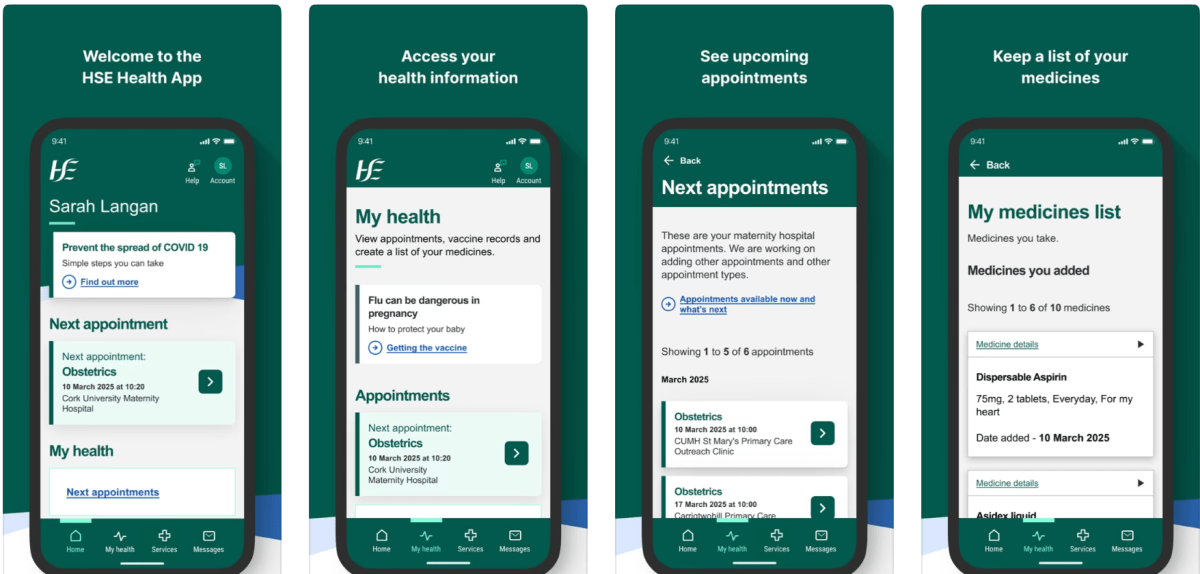
This innovative tool empowers patients by providing easy access to their health information and will become the digital front door for patients in the coming months and years to navigate and access the health service.
Easily accessible health information that is accurate and trustworthy. The phased introduction of appointment notifications and reminders will make it easier for people to manage their care.
The first release includes functionality that allows people to:
- carry a digital list of self-declared medications and see a list of medicines received through the Drugs Payment Scheme or Medical Card Scheme
- store your European Health Insurance Card (EHIC), medical card, Long-term Illness card (LTI), Drugs Payment Scheme card (DPS) and GP Visit card
- access ‘flu and COVID-19 vaccination records
- easily find information about HSE services, such as Emergency Departments and Injury Units
- view maternity service appointments (for expectant mothers)
Further planned releases over 2025 will allow people to:
- access public hospital and screening appointments information for public patients
- check referrals and waiting times information
- receive additional self-care information and support services including smoking cessation and chronic disease management
People will need to ensure that they have a MyGov Identification. This is required to ensure that the HSE Health App has the highest level of authentication and security. If people do not have a MyGov Identity, then this can be received on the MyGovID website.
You can download the Free HSE Health App from the App Store or Google Play .
Lynch syndrome- Georgia

Fighting against misinformation and watching science be dismissed is draining.
Social media, once a tool for connection, has become a battleground—especially platforms like Twitter (now X) and Facebook, where conspiracy theories and political toxicity overshadow genuine efforts to help.
GeNotes

The new Gastro-Hepatology collection joins existing specialties such as endocrinology, oncology and neurology, and has been developed by leading experts in gastroenterology and hepatology, including Dr Kevin Monahan, Professor Guruprasad P Aithal and Dr Robert Scott. This collection aims to meet a wide spectrum of genomics education needed for these specialist communities – from when and how to order genomic testing for a patient with a family history suggestive of Lynch syndrome to the underlying genomics at play in hereditary pancreatitis.
https://www.genomicseducation.hee.nhs.uk/news/new-in-genotes-gastro-hepatology/
 Lynch Syndrome Ireland