Lynch Syndrome

Lynch syndrome is an autosomal dominant hereditary cancer syndrome, associated with a 40%–80% lifetime risk of developing colorectal, endometrial and other cancers.

Lynch syndrome may be suspected from a family history of bowel cancer and other Lynch syndrome-related cancers, triggering genomic testing in the family.

Lynch syndrome is an autosomal dominant condition, so that each child (son or daughter) and each sibling (brother or sister) of an affected individual has a 50% (1-in-2) chance of inheriting the condition.

It is important to remember that chance has no memory, and the 1-in-2, or 50%, chance of inheriting the altered gene for the condition applies to each child, irrespective of whether or not the parents have already had children with, or without, the condition.

https://www.genomicseducation.hee.nhs.uk/genotes/

Lynch Syndrome: Diagnosis & Treatment

https://www.mayoclinic.org/diseases-conditions/lynch-syndrome/diagnosis-treatment/drc-20374719

Your GP may want you to consider genetic testing for Lynch syndrome if your family history has one or more of the following:

  • Multiple relatives with any Lynch-associated cancers, including colon cancer and endometrial cancer. Other cancers caused by Lynch syndrome include those that happen in the stomach, ovaries, pancreas, kidneys, bladder, ureters, brain, gallbladder, bile ducts, small intestine and skin.
  • One or more family members who had cancer before age 50.
  • One or more family members who have had more than one type of cancer.
  • More than one generation of family with the same type of cancer.

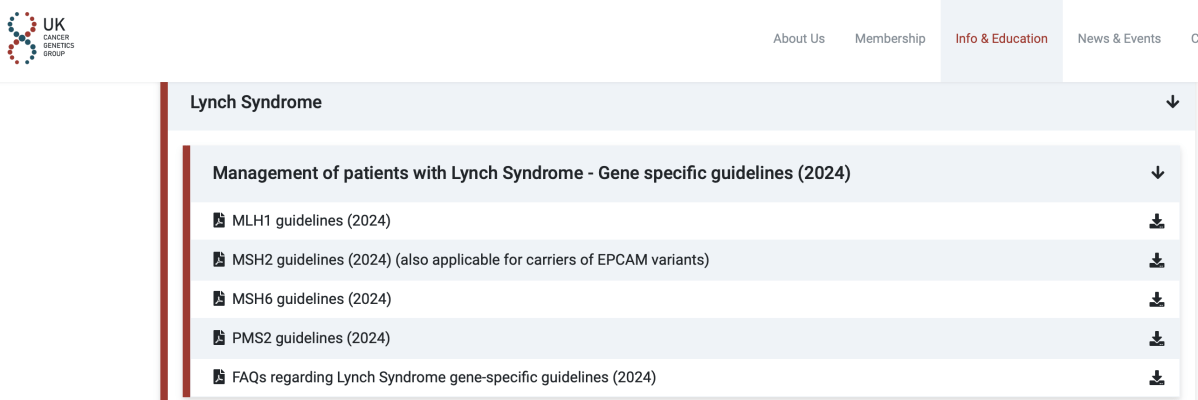
Lynch Syndrome Management Guidelines – Gene Specific 2024 – UKCGG

https://www.ukcgg.org/information-education/ukcgg-leaflets-and-guidelines/

Gynaecology and Lynch Syndrome

From LS UK Annual Conference 2024

Neil is a Clinical Lecturer and Gynaecology Oncology Surgical Subspecialty Fellow at the University of Edinburgh and NHS Lothian. His passion is to improve the care of those with Lynch syndrome through prevention and personalised treatment.

“Prevention is better than cure – vaccination for Lynch syndrome”

LS UK Conference 2024 – Dr David Church

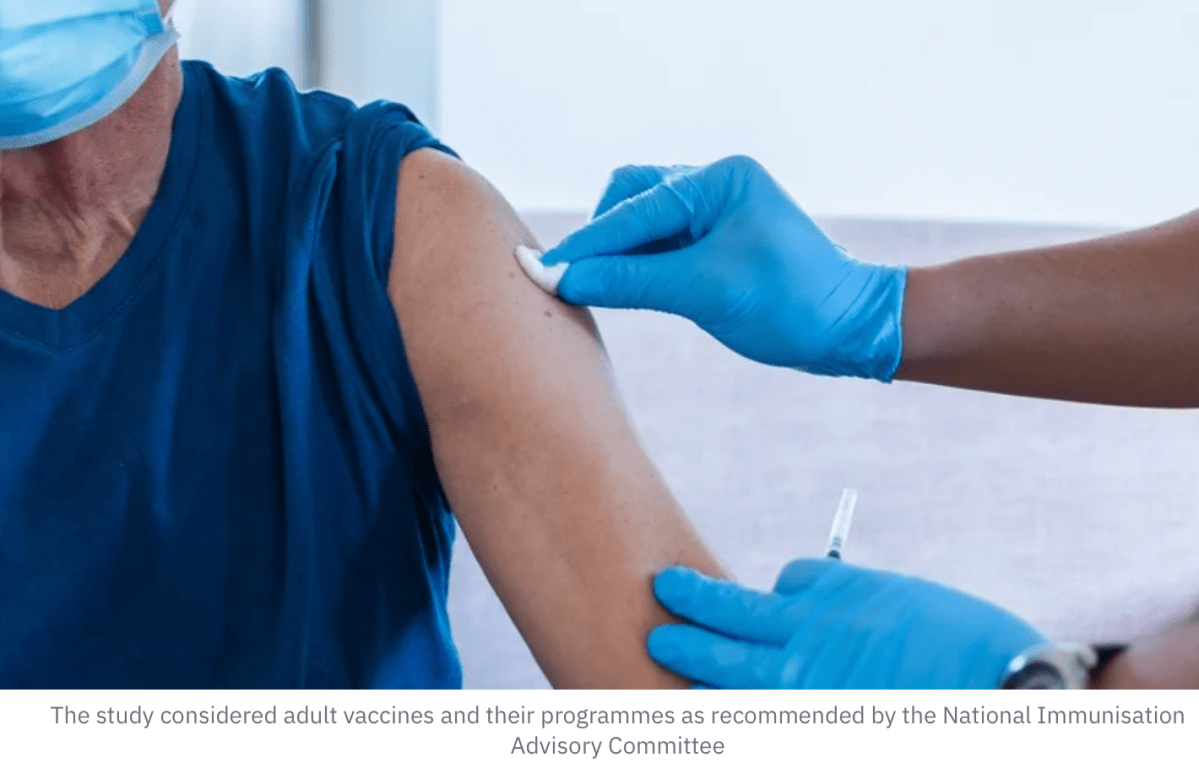
Four vaccine schemes could prevent 1,400 deaths – report

https://www.rte.ie/news/2024/0703/1457891-adult-vaccination-programmes/

A shingles vaccine is available on the market, but it is not given routinely in Ireland. 

https://www2.hse.ie/conditions/shingles/

Lynch Syndrome Conference 2024

Check out the presentations on YouTube.

Up to date information on Lynch Syndrome

New national electronic patient health record system proposed

About time….loooong overdue.

Ireland has a Digital Health Strategy, but currently no centralised electronic health record system is in place.

The system allows 24-hour access by doctors and patients to their health information using a secure, free, open-source non-commercial platform.

It has been piloted by the HSE and is currently operational for around 15,000 patients, including Ukrainian refugees, International Protection Applicants, the homeless, the Roman Community and others.

It envisages that doctors will be able to access them in real time, from any location, reducing duplication of tests and making the system more efficient and safer.

https://www.rte.ie/news/health/2024/0626/1456756-digital-health/

Lynch Syndrome

  • Lynch Syndrome involves several inherited genes which normally protect the body from cancer, but mutations in any of these genes may inhibit this function.
  • If someone has a Lynch Syndrome mutation it does NOT mean they will definitely get cancer, there are other factors involved.
  • If you have one of the Lynch Syndrome mutations, this has implications for your family. Your elders, siblings and offspring. If they too have the same mutations, they will be more susceptible to bowel and other cancers.
  • You should contact members of your family and advise them to get tested.
  • Anyone with Lynch Syndrome can reduce their cancer risk.
  • People with Lynch Syndrome are entitled to advanced cancer screening, to catch cancer early and cure it.
  • There is evidence that some people with Lynch Syndrome diagnosed with a bowel cancer are more likely to develop secondary cancers.