
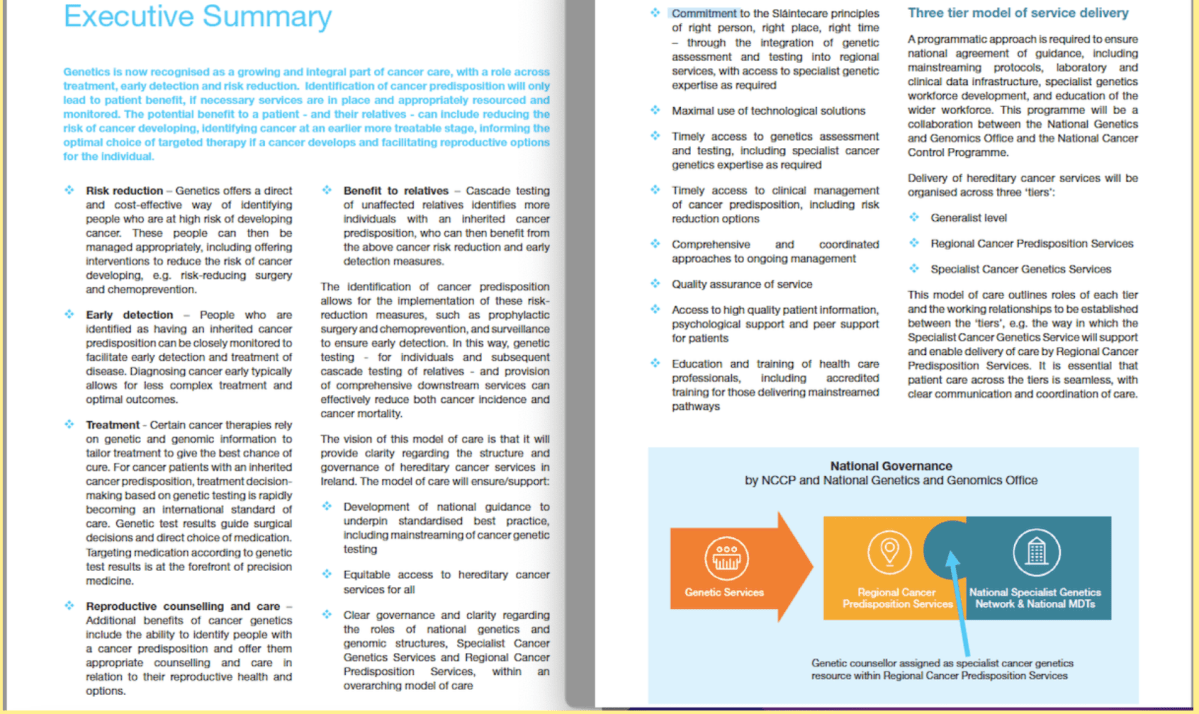
Email your local politicians today. Ask for their backing in funding the Model of Care. Let's show them the real impact this care model can have on families facing hereditary cancers. @TaraCloney#BRCAIreland #ModelOfCare pic.twitter.com/auPVbkhKSq
— brca_ireland (@brca_ireland) August 19, 2023
Category: Prevention
Outcome of Patients With Early-Stage Mismatch Repair Deficient Colorectal Cancer Receiving Neoadjuvant Immunotherapy: A Systematic Review
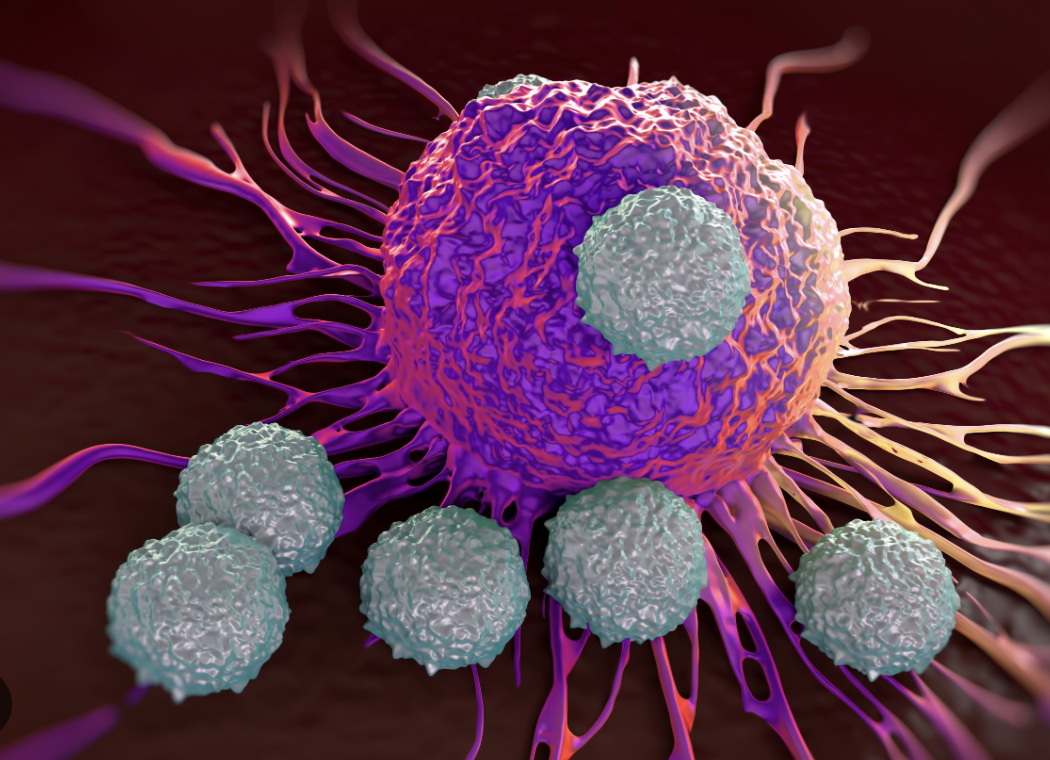
Systematic review to evaluate the outcome of patients with early-stage (stages I-III) mismatch repair deficient (dMMR) colorectal cancer (CRC) receiving neoadjuvant immunotherapy (NIT) with immune checkpoint inhibitor (ICI)–based regimens.
CONCLUSION
NIT in patients with early-stage dMMR CRC is associated with a high response rate, low primary resistance to immunotherapy and cancer recurrence rate, and an excellent safety profile. The findings of the present systematic review support further investigation of NIT in patients with early-stage dMMR CRC, with a particular emphasis on the organ-preserving potential of this strategy.
Inheriting a Cancer Risk

No parent wants to pass a genetic mutation to their child. But once people know they have an increased risk of developing cancer, they can take proactive steps to ensure the best outcome.
Patients often have to make decisions based on incomplete information. But when people learn they have a genetic mutation that increases their risk of cancer, they can arm themselves with information, proactive screening measures and prophylactic procedures to mitigate the risk of getting the disease.
Squamous Cell Carcinoma SCC NCCN (2023)

Cancer immune-interception in Lynch Syndrome: Neoantigen-based vaccine development (Dec. 22)

Lynch Syndrome (LS) is the most common cause of hereditary colorectal cancer and also conveys significantly increased risks for several other malignancies, including endometrial, small bowel, gastric, ovarian, adrenocortical tumors, and others.
Recent advances in next-generation sequencing and associated bioinformatic approaches are now allowing for more accurate profiling of the most frequently recurring and shared mutated neoantigens in LS-associated tumors. This allows for identification of the most immunogenic neoantigens that can be incorporated into different vaccine platforms to test the development of a population-based vaccine.
A total of 45 participants will be enrolled to receive a prime and boost vaccination. Different secondary biomarkers will explore immunological aspects of this novel immune-interception strategy.
Family Tree

A genetic history captures details about the health of multiple generations.
This information can be important in diagnosing an inherited condition, revealing a pattern of inheritance, and informing clinical decisions regarding testing and management.
What is a Biomarker?

A biomarker (also called a biological marker) is a piece of information about your health. Biomarkers include your blood pressure, your blood type, and cholesterol or blood sugar levels measured in a blood test. The biomarkers of cancer are also known as tumor markers. Biomarkers can tell your medical team important information about you and your cancer.
Why are biomarkers important?
Colorectal cancer biomarkers can provide your medical team vital information about you and your cancer that is used to determine prognosis, guide treatment decisions, monitor treatment response, and look for recurrence after treatment. Biomarkers are also used in drug development to create and test targeted therapies for colorectal cancer.
Biomarkers of hereditary colorectal cancer
The biomarkers that can confirm hereditary colorectal cancer are the DNA mismatch repair genes causing Lynch Syndrome, and the genes causing Familial Adenomatous Polyposis (FAP) and associated syndromes. Lynch Syndrome is caused by mutations in MLH1, MSH2, MSH3, MSH6, EPCAM, or PMS2 genes, while FAP and other polyposis syndromes are caused by mutations in APC, MYH, BMPR1A, and SMAD4.
From diagnosis of colorectal cancer to diagnosis of Lynch syndrome: The RM Partners quality improvement project

The UK National Institute for Health and Care Excellence recommends universal testing for Lynch syndrome (LS) in all newly diagnosed colorectal cancer (CRC) patients. However, implementation varies significantly by geography. This project was developed to measure variation and deliver an effective diagnostic pathway from diagnosis of CRC to diagnosis of LS (within the RM Partners (RMP) West London cancer alliance).
Conclusion
The LS project was completed by April 2022. We have implemented a systematic approach with workforce transformation to facilitate identification and ‘mainstreamed’ genetic diagnosis of LS. This work has contributed to the development of a National LS Transformation Project in England which recommends local leadership within cancer teams to ensure delivery of diagnosis of LS and integration of genomics into clinical practice.
So why do people not get tested?

Experts say that millions of people are walking around with a genetic variant that raises their risk of developing cancer. The vast majority of them have no clue.
That’s a problem, because people who know they’re at a higher risk for certain cancers can take action, like going for more frequent screening tests such as colonoscopies and mammograms or even having preventive surgeries.
“Doctors are not up on this”
Asked why so few people get tested, both researchers and patients say that “many cancer doctors aren’t familiar with the latest research on inherited risk or that they don’t know the cost of testing has dropped”
Biology of Precancers and Opportunities for Cancer Interception: Lesson from Colorectal Cancer Susceptibility Syndromes
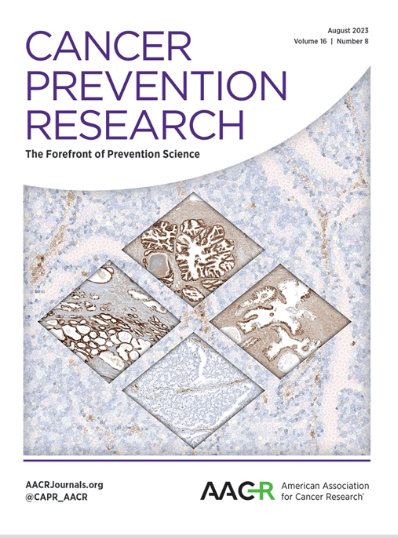
The two best defined syndromes are Lynch syndrome (LS) and familial adenomatous polyposis (FAP). Studying these groups on regular cancer surveillance provides insight into the tumor biology, potential avenues for prevention, and their effectiveness. In this article, we will review some of the lessons that can be learned from these conditions which may afford opportunities for cancer prevention.
Conclusions
Hereditary syndromes provide an opportunity to study early precancer evolution surveillance and interventions to prevent cancer. Understanding genotype and phenotype in colorectal cancer susceptibility syndromes allows for customized clinical trials in preventive medicine to be highly effective in their outcomes.
The increasing knowledge of precancer lesions and their biology may aid novel strategies for individualized prevention. It is essential to consider the adverse effects of such interventions when weighed against quality of life, particularly considering the age at which medication may begin.
Exciting advancements are being made in the field of cancer vaccination against LS colorectal cancer, however until trials show their validity the recommended surveillance protocols must be upheld. Extrapolating information from these hereditary colorectal cancer studies can also help pinpoint how certain sporadic cancers evolve and offer opportunities for cancer prevention.
 Lynch Syndrome Ireland