Genomic Landscape of Lynch Syndrome Colorectal Neoplasia Identifies Shared Mutated Neoantigens for Immunoprevention

Report a focused somatic mutation and frameshift-neoAg landscape of microsatellite loci from colorectal polyps without malignant potential (PWOMPs), precancers, and early-stage cancers in LS carriers.

Conclusions

Shared frameshift-neoAgs are generated within unstable microsatellite loci at initial stages of LS carcinogenesis and can induce T-cell responses, generating opportunities for vaccine development, targeting LS precancers and early-stage cancers.

https://www.sciencedirect.com/science/article/pii/S0016508524000520

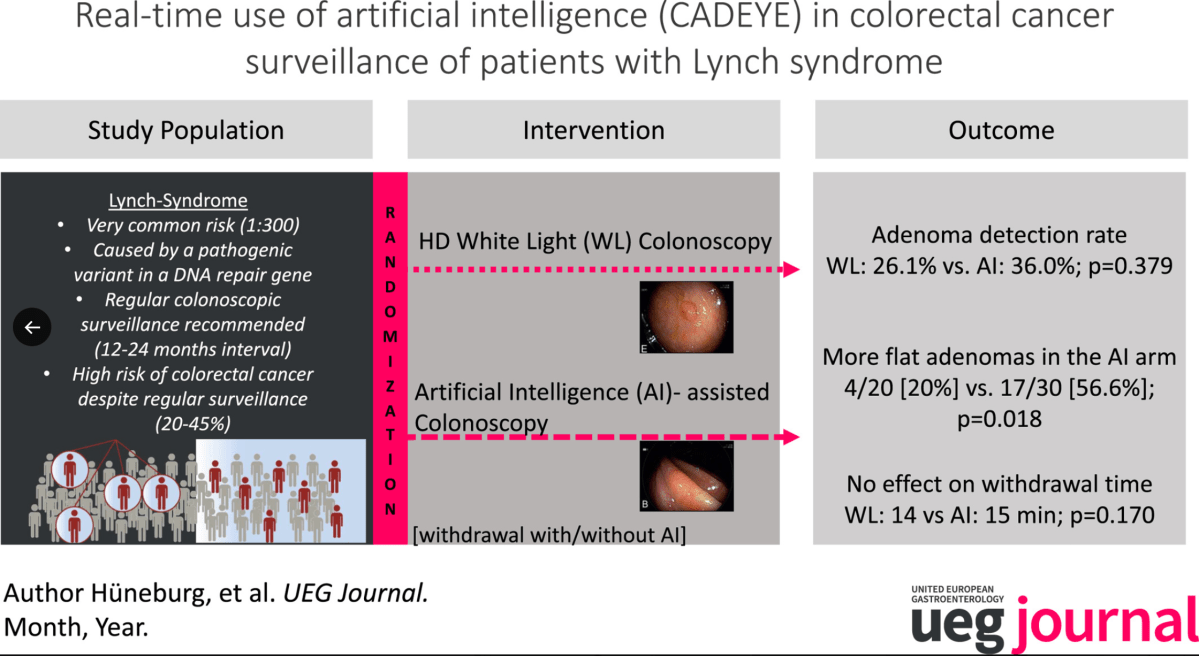
Real-time use of artificial intelligence (CADEYE) in colorectal cancer surveillance of patients with Lynch syndrome-A randomised controlled pilot trial (CADLY)

 Lynch syndrome patients are at high risk of CRC despite regular endoscopic surveillance.

Conclusion: First data suggesting that real-time AI-assisted colonoscopy is a promising approach to optimise endoscopic surveillance in LS patients, in particular to improve the detection of flat adenomas.

https://pubmed.ncbi.nlm.nih.gov/36571259/#:~:text=Results%3A%20Between%20Dec%2D2021%20and,CI%2014.3%2D41.1%5D%20vs.

What is the power of a genomic multidisciplinary team approach? A systematic review of implementation and sustainability

Due to the increasing complexity of genomic data interpretation, and need for close collaboration with clinical, laboratory, and research expertise, genomics often requires a multidisciplinary team (MDT) approach. 

Conclusion: While there are major gaps in evidence, the studies reviewed all point towards the benefits of the genomic MDT and a need for such an approach for more effective and efficient patient diagnosis and management. The MDT harnesses improved collaboration and discussion of complex clinical scenarios and genomic results (especially for VUS) for improved diagnostic rate and patient care.

https://www.nature.com/articles/s41431-024-01555-5#Sec20

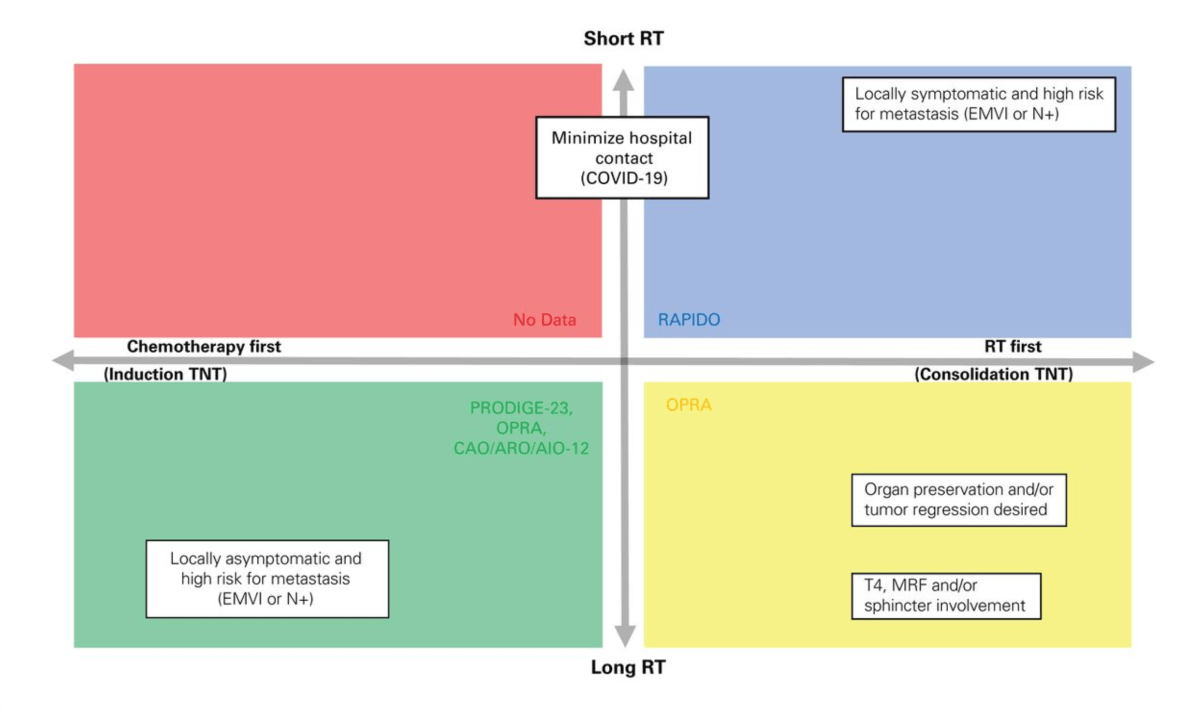
Total neoadjuvant therapy for rectal cancer: a guide for surgeons

(Neoadjuvant: First step to shrink a tumour before the main treatment)

The modern management of rectal cancers continues to evolve.

With the release of data from new landmark randomized controlled trials (RAPIDO, PRODIGE-23), total neoadjuvant therapy (TNT) has moved to the forefront of locally advanced rectal cancer treatment and is considered a standard option in selected patients.

Surgeons have a fundamental role in the treatment of patients with rectal cancer. Although neoadjuvant or adjuvant treatments certainly can improve outcomes, definitive curative-intent treatment still depends on complete surgical resection as standard therapy.

https://www.canjsurg.ca/content/66/2/E196

Analysis in the Prospective Lynch Syndrome Database identifies sarcoma as part of the Lynch syndrome tumor spectrum

We conclude that the incidence of OS in LS patients is significantly increased compared to the general population.

We suggest that osteosarcoma is part of the LS spectrum in adults and seems to be associated particularly with the path_MSH2 genotype. The association of STS with path_MMR variants is currently less clear, although there are case reports on young LS carriers with soft tissue sarcomas.

https://onlinelibrary.wiley.com/doi/10.1002/ijc.33214

The role of digital tools in the delivery of genomic medicine: enhancing patient-centered care

Is the use of digital tools part of the answer to reducing Ireland’s long Genetic Testing waiting lists??

Alternative models of genetic counselling are needed to meet the rising demand for genomic sequencing. Digital tools have been proposed as a method to augment traditional counseling and reduce burden on professionals; however, their role in delivery of genetic counseling is not established. This study explored the role of the Genomics ADvISER, a digital decision aid, in delivery of genomic counseling.

Conclusion(2021) of this study

Overall, this study proposes that use of a digital tool in conjunction with tailored counseling from a genetic counselor can enhance patient-centered care in the delivery of genomic counseling.

This study demonstrates that their digital tool contributed to enhancing patient-centered care in the delivery of genomic counselling.

https://www.nature.com/articles/s41436-021-01112-1

The experience of receiving a letter from a cancer genetics clinic about risk for hereditary cancer

Disclosure of genetic information raises ethical issues, mainly concerning autonomy, confidentiality, duty of beneficence, moral responsibility, and feasibility. The rights and duties of patients, relatives, and healthcare professionals are intertwined.

We suggest that healthcare professionals experienced in genetic counselling can consider disclosing risk by direct letter to at-risk relatives while taking into account the benefits of a family-mediated first contact and that counselling must be easily accessed when relatives want to make contact.

Direct contact has to be implemented in a framework of ethical considerations and good practice and tailored for both the individual patient and relatives.

https://www.nature.com/articles/s41431-024-01551-9#Abs1

(note: small sample)

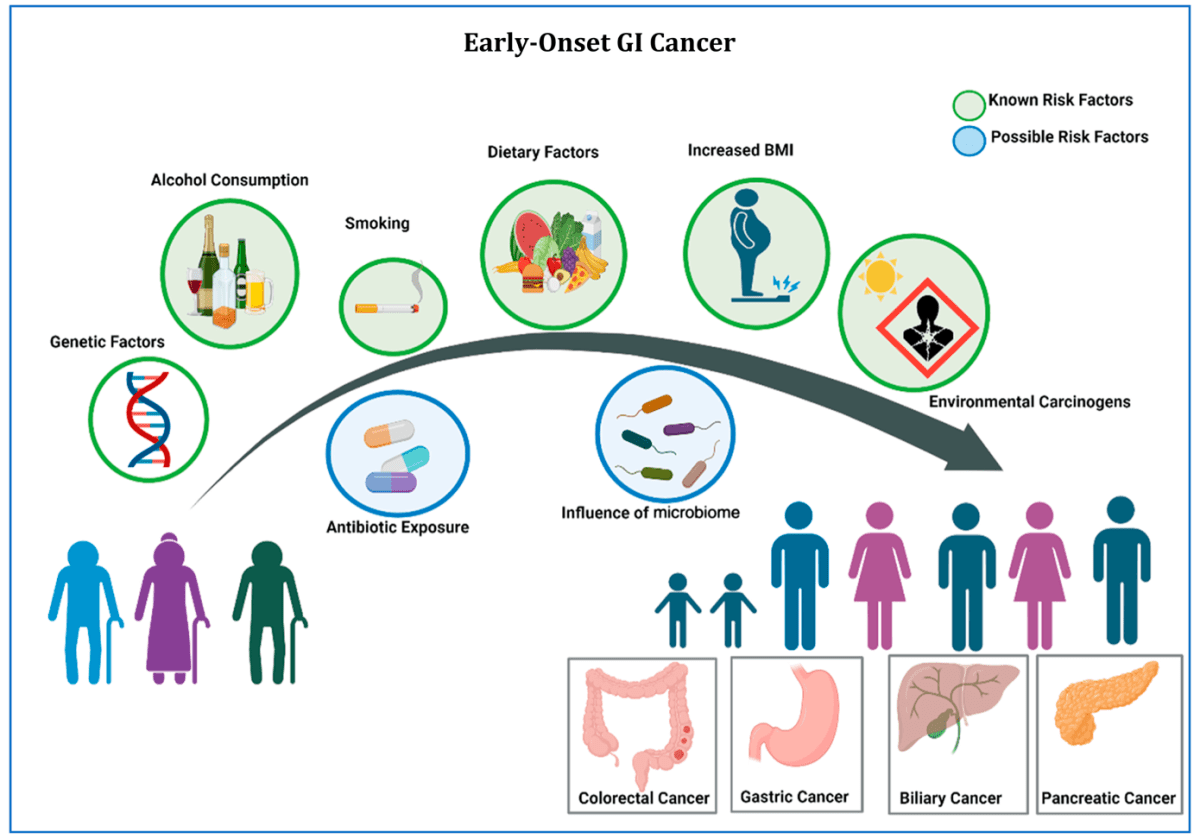
Early-Onset GI Cancers: Rising Trends, Genetic Risks, Novel Strategies, and Special Considerations

Understanding the complex interplay between host factors such as gPVs (Germline Pathogenic Variant), gut microbiome, and extrinsic environmental factors will be critical to mitigate the rising incidence of EO cancer globally, particularly across the spectrum of GI cancers.

Practical Applications

Awareness of the early-onset (EO) cancer epidemic should prompt heightened vigilance among health care providers caring for patients who would not be historically considered at high risk for cancer.

Early detection of symptoms with appropriate diagnostic testing is critical to obtaining a cancer diagnosis in earlier stages which may allow for a greater chance of curative approaches.

Multidisciplinary management of patients with EO cancers is critical to address unique and challenging issues that younger populations must navigate, including family, social, career, and financial stress.

Genetic counselling and testing are critical components to multidisciplinary care and may elucidate mechanisms of EO cancer development.

https://ascopubs.org/doi/full/10.1200/EDBK_398068

Landmark national study supports use of whole genome sequencing in standard cancer care(UK)

In the largest study of its kind, scientists today report how combining health data with whole genome sequence (WGS) data in patients with cancer can help doctors provide more tailored care for their patients.

This research uncovered significant findings across different cancer types, such as: 

  • Over 90% of brain tumours and over 50% of colon and lung cancers showed genetic changes that could affect how patients are treated, guiding decisions about surgery or specific treatments they might need. 
  • In more than 10% of sarcomas, larger DNA changes, known as structural variants, were identified that can impact clinical care and treatment. 
  • In over 10% of ovarian cancers, the study pinpointed inherited risks offering crucial insights for clinical care.

The findings show the value of combining genomic and clinical data at scale to help healthcare professionals make the best treatment decisions with their patients.

https://www.genomicsengland.co.uk/news/landmark-national-study-supports-use-of-whole-genome-sequencing-in-standard-cancer-care

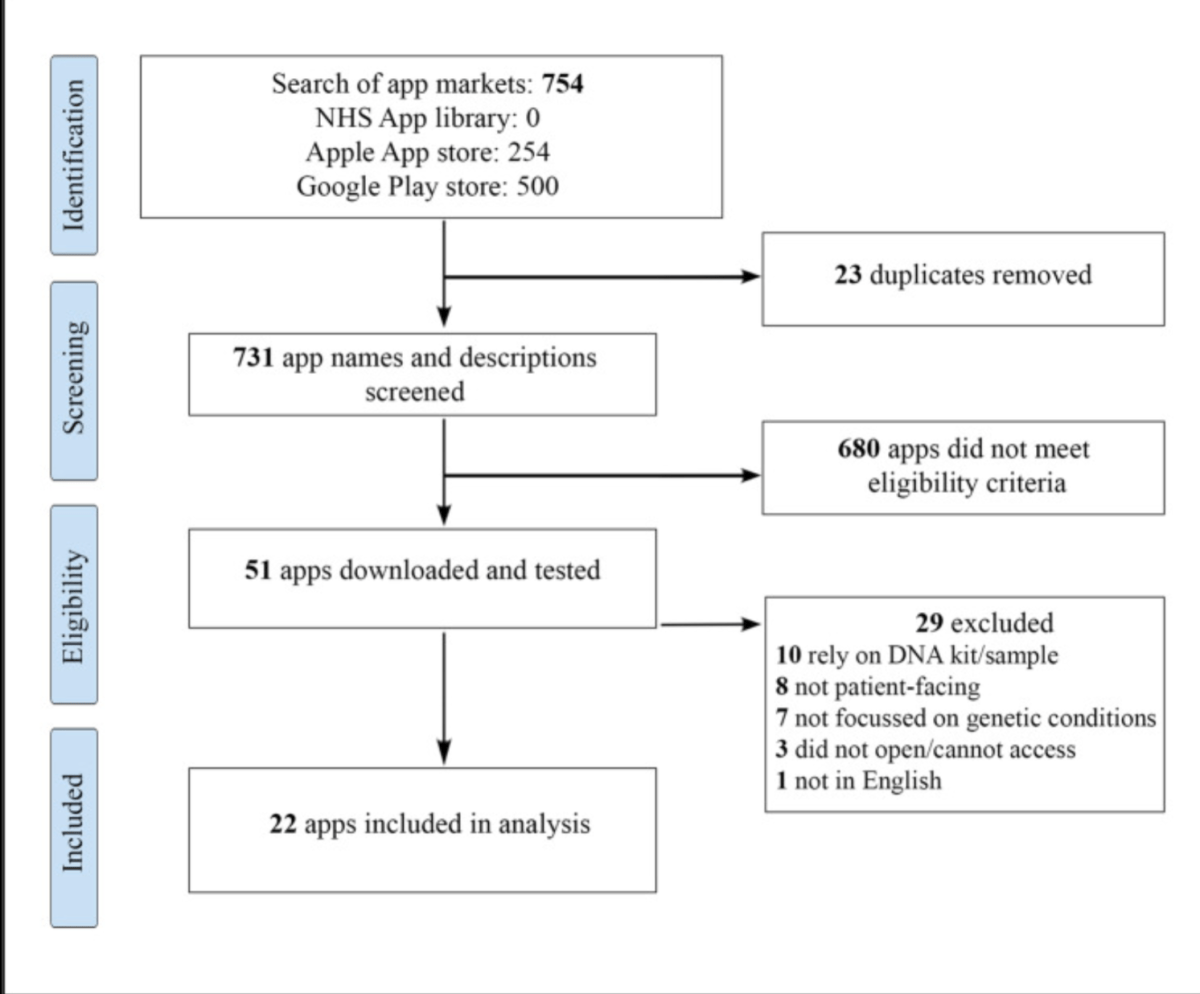
Patient-facing genetic and genomic mobile apps in the UK: a systematic review of content, functionality, and quality(2022)

This systematic review of patient-facing genetic/genomic mobile apps explores content, function, and quality.

Conclusion: It was evident that there are few high-quality genomic/genetic patient-facing apps available in the UK. This demonstrates a need for an accessible, culturally sensitive, evidence-based app to improve genetic literacy within patient populations and specific communities.

Has this changed?