https://thisisgo.ie

A personalised online resource for women impacted by cervical cancer. If you have a partner in your life, this platform can also support them. If you are a health care provider working in the area this can also support you and your
practice. 

If you are newly diagnosed, receiving treatment, in surveillance
or living well with and beyond cancer this has information that is
tailored to meet your needs.

Also information on Ovarian, Uterine, Vulval and Vaginal cancers.

In addition a genetic pathway for those impacted by BRCA and Lynch Syndrome. 

How Colon Polyp Size, Shape and Growth Pattern Affect Cancer Risk

People with Lynch syndrome may develop polyps, which can vary in size. Colon polyps are very common and most are harmless. But if they are left untreated, they can lead to cancer.

https://health.clevelandclinic.org/colon-polyp-cancer-risk

How did I get Lynch syndrome?

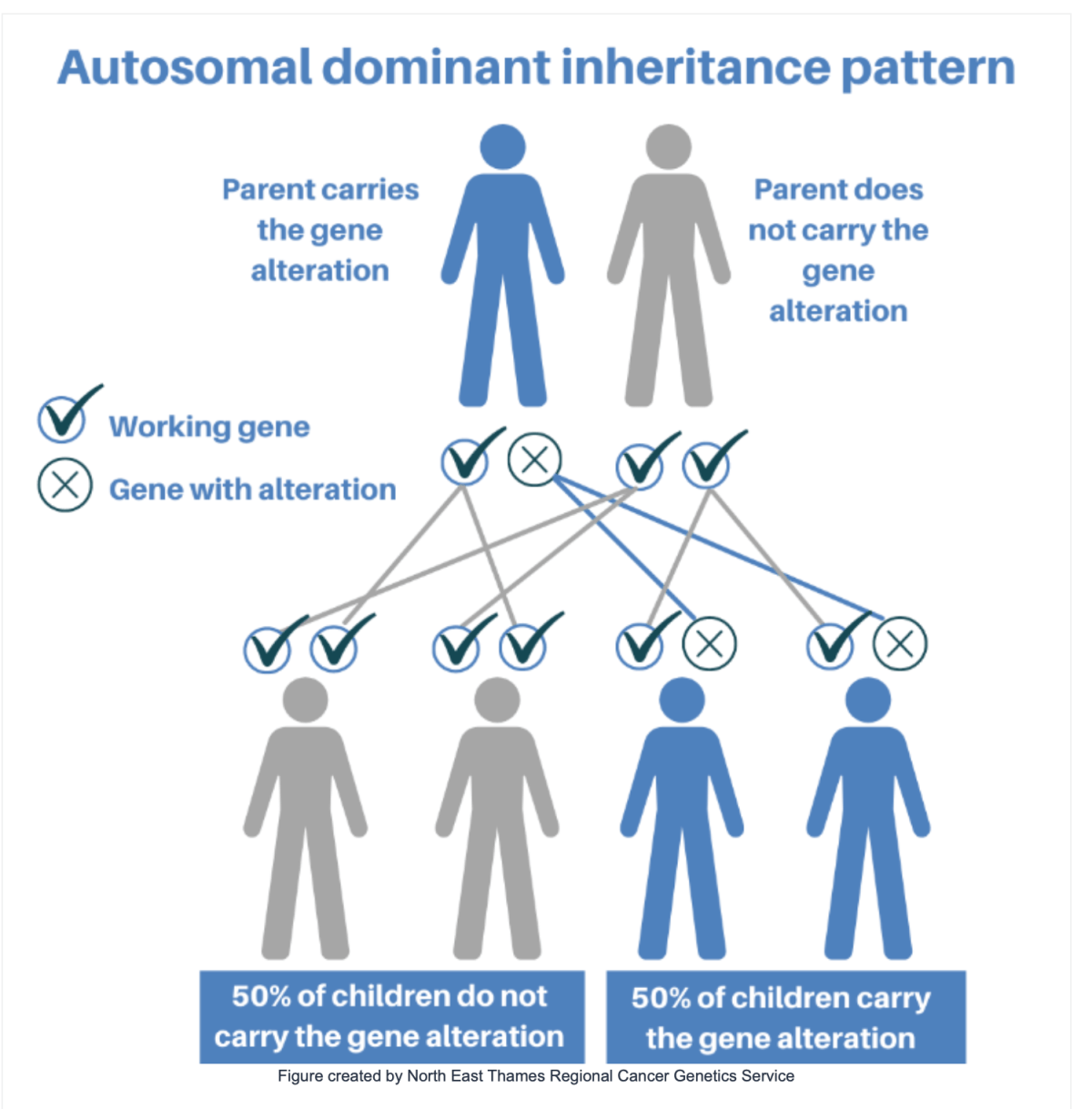
If one of our parents has Lynch syndrome, at the point of conception, they have a 50% chance of passing on their altered copy and 50% chance of passing on their unaltered copy. If a person inherits the altered copy, they will have Lynch syndrome.

The Lynch syndrome genes are like police officers in our body, checking that cells know when to stop dividing and do not turn into cancer cells, and by doing so they protect us against cancer. If these genes aren’t working properly, this might result in fewer police officers protecting us against cancer.

Navigating a genetic diagnosis

What might it be like to navigate a genetic diagnosis and share it with family members?

We talk to Julie Young from the CanGene CanVar patient reference panel about her experience.

https://podcasts.ox.ac.uk/series-2-episode-8-navigating-genetic-diagnosis

Finding the missing 95%: Unlocking the potential of Lynch syndrome services

In recent years, breakthroughs in genetics and DNA testing have revolutionised healthcare, especially in cancer diagnosis, treatment, and care. By examining a person’s genes, we can now identify people at higher risk of developing certain cancers.

This allows healthcare providers to detect cancers at an earlier stage and make informed decisions about cancer management and surveillance. Crucially, they can also offer more effective personalised treatments and prevention strategies based on the patient’s genetic profile.

Report found:

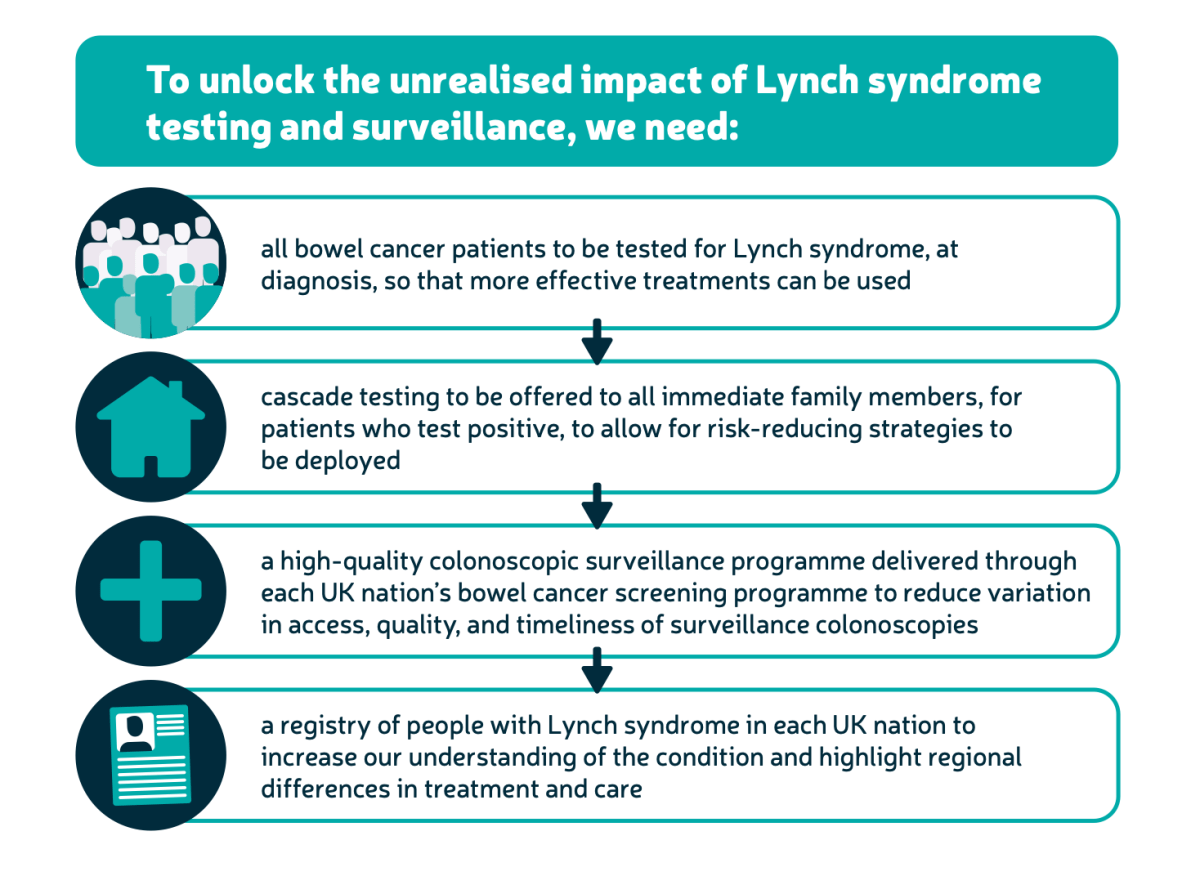
  • There have been significant improvements in genetic testing for bowel cancer patients, with an average of 9 in 10 newly diagnosed bowel cancer patients being tested over the last financial year, but workforce and capacity issues are still barriers. 
  • Half of health authorities who responded, reported that family members of people with Lynch syndrome aren’t offered letters they can take to their GP, which is one route to accessing genetic counselling and testing. 
  • A postcode lottery for life-saving routine surveillance colonoscopies exists. Although surveillance is offered to all Lynch syndrome patients in England through the Bowel Cancer Screening Programme, only 6 in 10 health authorities across Scotland, Wales and Northern Ireland offer surveillance colonoscopies in line with clinical guidance. 
  • Major gaps in data collection and reporting on Lynch guidance and services are holding back Lynch syndrome care. 

Testing all newly diagnosed bowel cancer patients for Lynch syndrome and implementing routine colonoscopic surveillance are crucial steps in meeting the early diagnosis goals set by governments and health services nationwide.

Early-Onset GI Cancers: Rising Trends, Genetic Risks, Novel Strategies, and Special Considerations

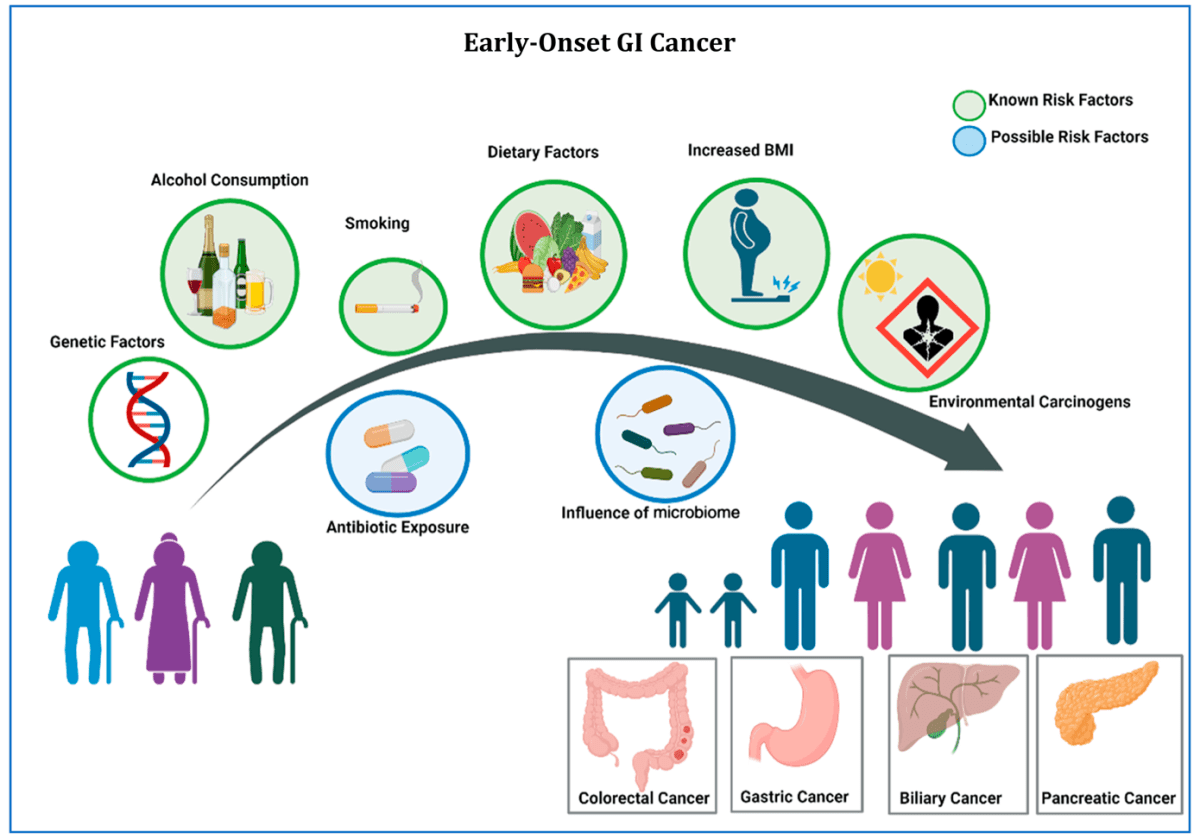
Understanding the complex interplay between host factors such as gPVs (Germline Pathogenic Variant), gut microbiome, and extrinsic environmental factors will be critical to mitigate the rising incidence of EO cancer globally, particularly across the spectrum of GI cancers.

Practical Applications

Awareness of the early-onset (EO) cancer epidemic should prompt heightened vigilance among health care providers caring for patients who would not be historically considered at high risk for cancer.

Early detection of symptoms with appropriate diagnostic testing is critical to obtaining a cancer diagnosis in earlier stages which may allow for a greater chance of curative approaches.

Multidisciplinary management of patients with EO cancers is critical to address unique and challenging issues that younger populations must navigate, including family, social, career, and financial stress.

Genetic counselling and testing are critical components to multidisciplinary care and may elucidate mechanisms of EO cancer development.

https://ascopubs.org/doi/full/10.1200/EDBK_398068

Remembering My Brother Who Died of Cancer

Survivor guilt is a complex emotion that often plagues those who have lost loved ones to illness.

I question myself with overwhelming questions often: “Why have I not developed cancer? Why have I outlived him? Why did he have to die?” And “What could we as a family have done differently?

I have turned my grief into action and strive to make a positive impact in the fight against Lynch syndrome and its devastating consequences — his death has not been in vain.

https://www.curetoday.com/view/remembering-my-brother-who-died-of-cancer

Knowing your family history

Preventative screening just part of our lives….

Coping with a Lynch Syndrome Diagnosis

What do you need to do to get yourself from getting a cancer…

Understanding what it means and educating yourself…

Uptake of hysterectomy and bilateral salpingo-oophorectomy in carriers of pathogenic mismatch repair variants: a Prospective Lynch Syndrome Database report(2021)

Conclusion:

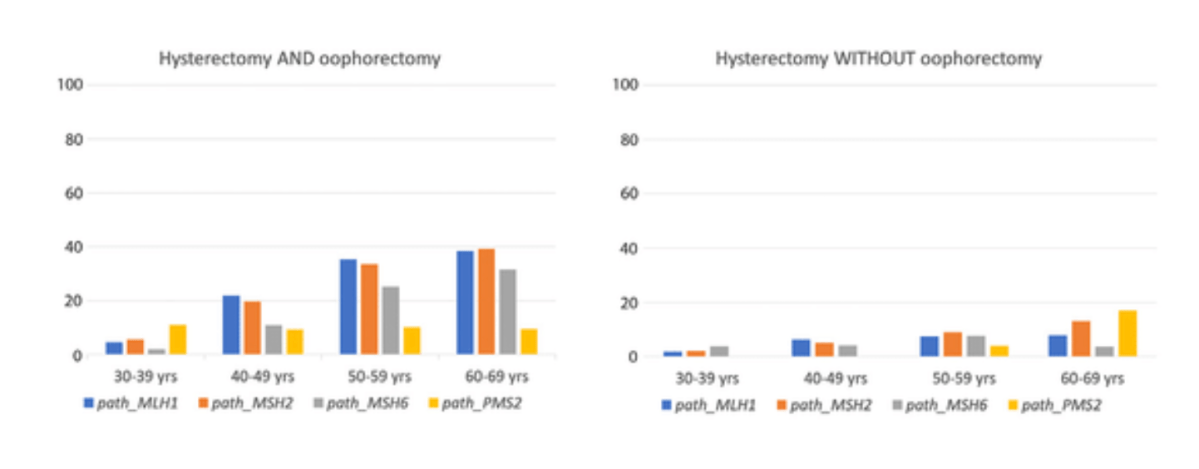
Uptake of RRS before 50 years of age was low, and RRS was rarely undertaken in association with surgical treatment of CRC.

Uptake of RRS aligned poorly with gene- and age-associated risk estimates for endometrial or ovarian cancer that were published recently from PLSD and did not correspond well with current clinical guidelines.

The reasons should be clarified. Decision-making on opting for or against RRS and its timing should be better aligned with predicted risk and mortality for endometrial and ovarian cancer in Lynch syndrome to improve outcomes.

https://www.ncbi.nlm.nih.gov/pmc/articles/PMC8916840/