

Check out new addition on “Lynch syndrome” thanks to NCCP.
Category: Screening
National Screening Service
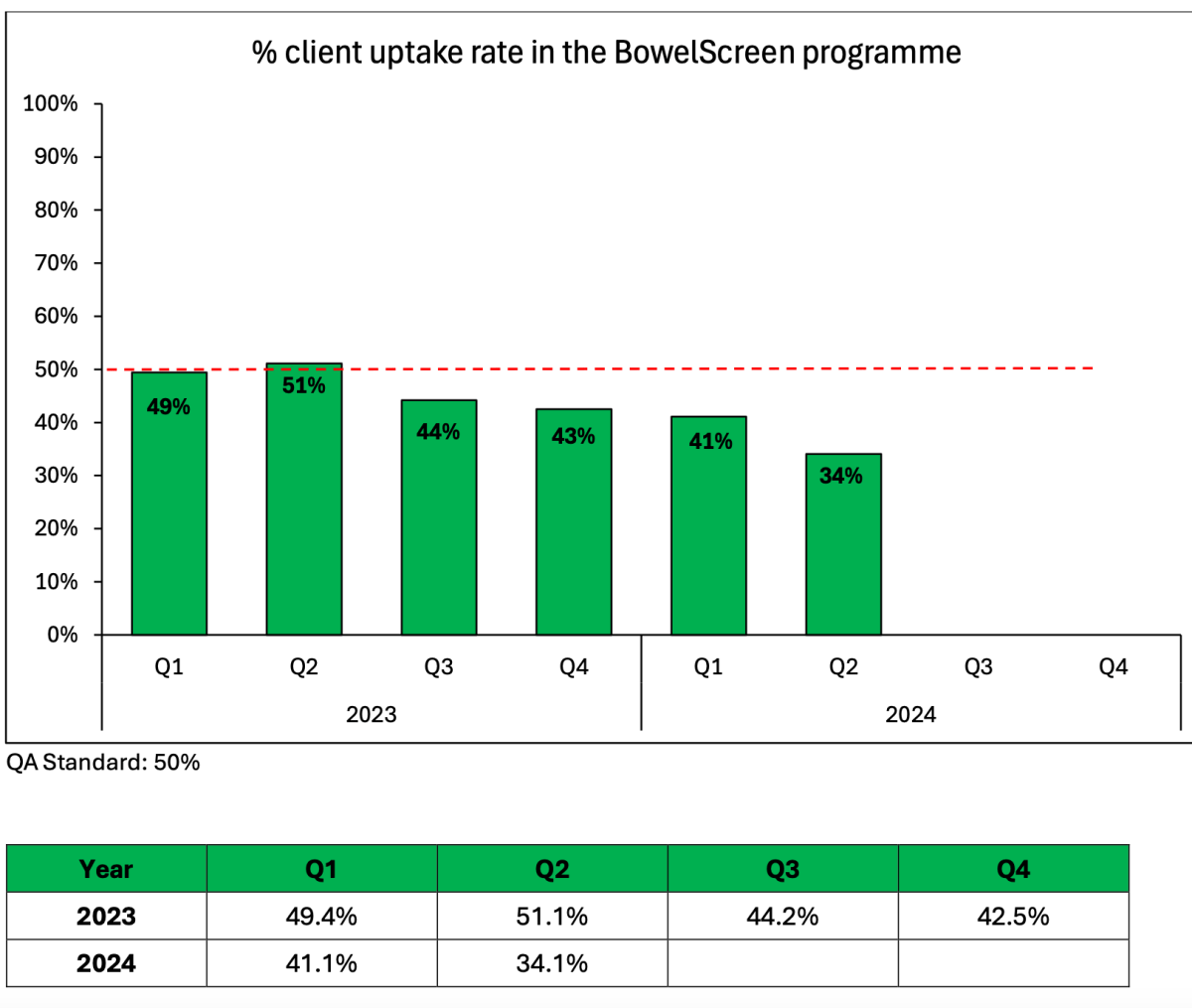
Annual report available at…
Lots of lovely words and Pics…unfortunately uptake of Free Bowel screen is still very low…why?
Lynch Choices

- Lynch syndrome is an inherited condition that increases the chance of developing certain cancers. The type of cancer depends on the genes involved.
- This website helps people with Lynch to make choices that are right for them. It is designed to be used with support from the genetics service, GPs, healthcare teams in the community, charities and patient groups.
- If you are concerned about Lynch but have not been diagnosed, please speak to your GP or genetics service.
- You’ll find two sections which help you think about your choices at home, so you are ready to talk through these choices with a GP, genetics or other specialist.
- There are also another six sections providing support and information for people with Lynch. These sections may also be useful to family members and healthcare professionals of people with Lynch.
https://lynchsyndromeireland.wordpress.com/wp-admin/post-new.php
Hospital to award €2.4m for cancer genetic testing service

St James’s is the national referral centre for adult inherited cancer genetics. Patients are referred from general practitioners, regional hospitals and cancer centres for cancer genetic counselling, risk assessment, and genetic testing.
The testing provider would be responsible for subcontracting a courier service to track the sending and receipt of genetic testing kits; processing of the sample for cancer genetic testing; bioinformatics and data analysis and result outcome; and confidentiality of information submitted to the online portal to order the test.
As of early 2025, more than 2,600 adults nationally were awaiting a genetics outpatient appointment, with more than 750 waiting more than 18 months.
- Genetic counsellors are healthcare professionals who provide support to those who are at risk for or affected by a
ninherited cancer condition. - Genetic counselling is not officially recognised by the HSE. This is challenging because it restricts access to genetic services.
- 90% of genetic cancers go undetected.
- The work of genetics counsellors is vital in improving identification of inherited cancer and
cancerprevention. Currently there is an 80% deficient in GC resources in cancer care
Lynch Syndrome News

March is Colorectal Cancer Awareness Month, a time when healthcare professionals emphasize the importance of regular screenings for early detection and prevention of colorectal cancer. Recent studies have shown an increase in colorectal cancer cases among individuals under 50, making awareness and early detection even more critical.
New Approaches to Hereditary Cancer Risk Assessment in Lynch Syndrome and Beyond
Case Conference, during which Matt Yurgelun, MD (@MattYurgelun) from @DanaFarber discusses new approaches to hereditary colorectal cancer risk assessment.
GeNotes

The new Gastro-Hepatology collection joins existing specialties such as endocrinology, oncology and neurology, and has been developed by leading experts in gastroenterology and hepatology, including Dr Kevin Monahan, Professor Guruprasad P Aithal and Dr Robert Scott. This collection aims to meet a wide spectrum of genomics education needed for these specialist communities – from when and how to order genomic testing for a patient with a family history suggestive of Lynch syndrome to the underlying genomics at play in hereditary pancreatitis.
https://www.genomicseducation.hee.nhs.uk/news/new-in-genotes-gastro-hepatology/
CANCER TEST DESIGNED BY NEWCASTLE SCIENTISTS COULD IMPROVE SURVIVAL RATES
Lynch syndrome significantly increases a person’s risk of developing certain types of cancer, in particular colorectal which is the fourth most common cancer in the UK.
Screening for Lynch syndrome means that if a person tests positive, a DNA test can then be offered to their relatives to see who else has the condition, so that they can then be put on a regular programme of checks.
The test can also guide the best treatment to provide, as it can indicate whether a person will respond to immunotherapy, a new and effective approach to cancer treatment with increased accuracy.
Newcastle upon Tyne Hospitals NHS Foundation Trust is leading the rollout of the project and the test is being evaluated for patients at the Royal Marsden Hospital, Manchester University NHS Foundation Trust, Birmingham NHS Foundation Trust and Bristol NHS Foundation Trust.
Doctor leading new screening trial warns of ‘sharp rise’ in prostate cancer if disease not detected earlier
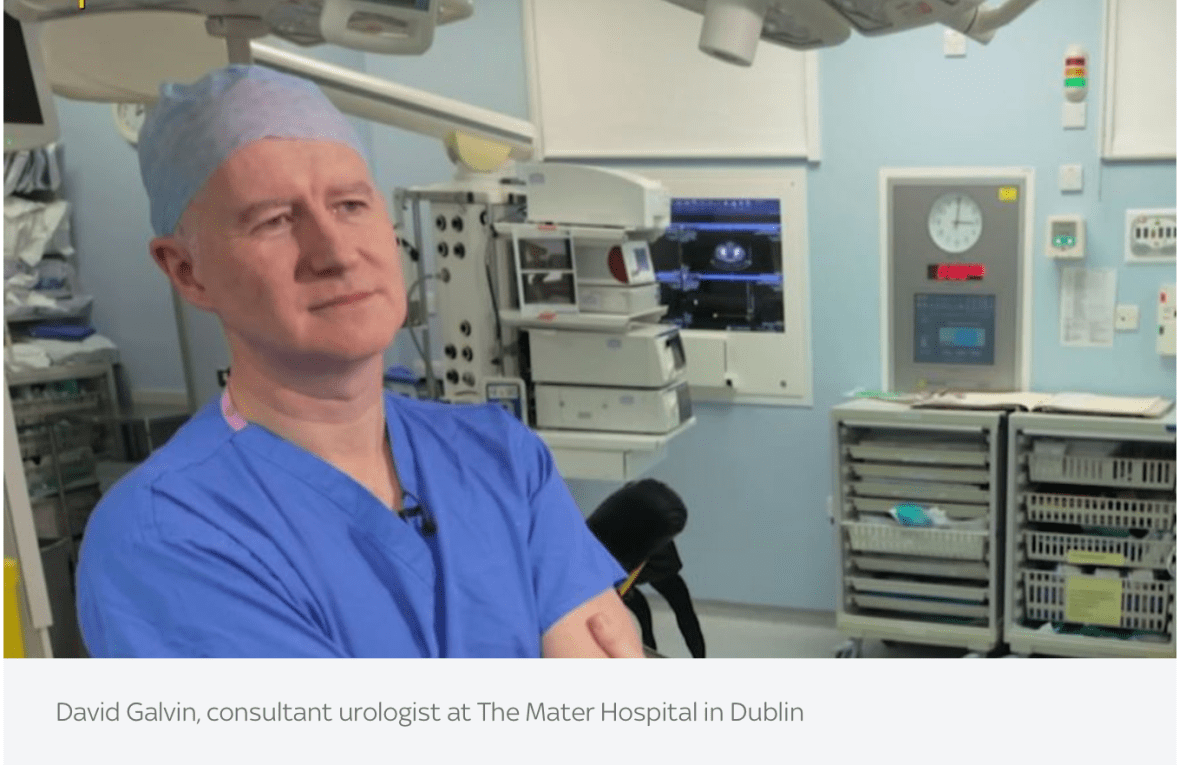
Thousands of men are to be checked for prostate cancer in one of the first large-scale European trials of smart screening.
The pilot study, starting next week in Ireland, will combine a blood test with personal risk factors and an MRI scan to increase the accuracy of screening men in their 50s and 60s.
Up to now health experts have rejected population screening in the belief that the benefits of earlier cancer detection were outweighed by the risks that some men could have unnecessary biopsies and risky treatment they don’t need.
But in the Irish pilot study, men will be scored by their PSA level and whether they have other risk factors such as black ethnicity or a family history.
Those at low risk will be retested in future.
New report highlights UK-wide picture for people affected by Lynch syndrome

Identifying people with Lynch syndrome has important implications for the person affected, and their family members. It is also a crucial part of the puzzle to improve survival of bowel cancer, through increasing early detection in people with a high risk of developing the disease.
Since 2018, considerable progress has been made, with 90% of UK bowel cancer
patients being tested for Lynch syndrome in 2022/23. However, significant challenges with testing family members and offering routine surveillance colonoscopies still require urgent attention.
Testing all newly diagnosed bowel cancer patients for Lynch syndrome (also called universal testing) and routine surveillance are vital to meeting the early diagnosis ambitions set out by governments and health services across the UK.
 Lynch Syndrome Ireland