For millions of healthcare providers it is their “go to” source for treatment planning for patients.
For patients and their families it is an essential repository for access to information, access to charitable support services, access to clinical research options and access to patient communities who have invaluable, shared, lived experiences.
Ensuring that the internet remains a trusted resource for ALL is in everyone’s interest, including those who profit from it.
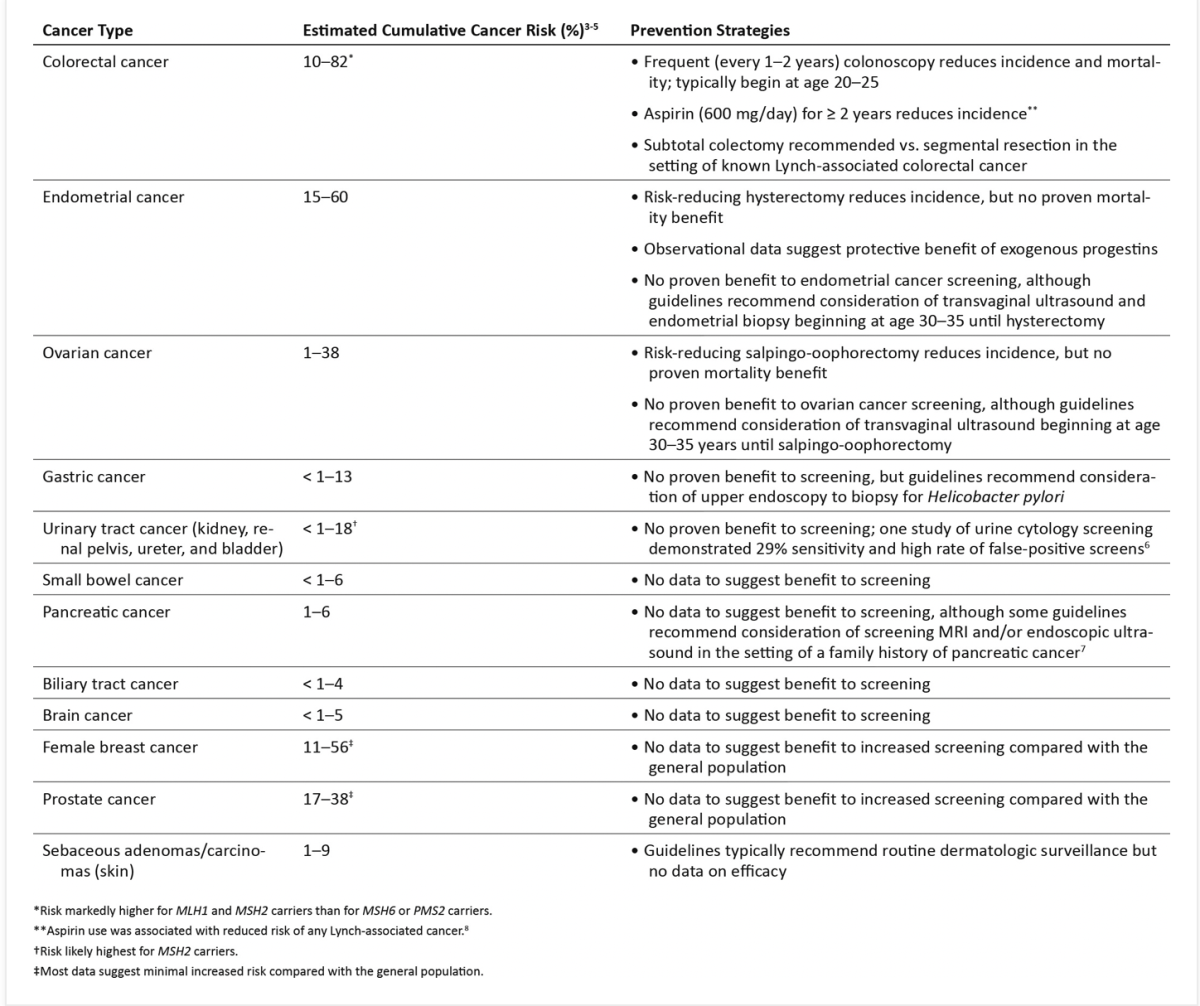
For women with Lynch syndrome, endometrial cancer and ovarian cancer represent the second- and third-most common associated malignancy, respectively, after colorectal cancer.
Despite gaps in knowledge, most guidelines currently recommend consideration of risk-reducing hysterectomy and salpingo-oophorectomy at the completion of childbearing and/or in the early 40s, with consideration of annual transvaginal ultrasound and endometrial biopsy at age 30 to 35 (continued until risk-reducing surgery).
Aims to improve the use of health information in Ireland.Health information is generated every time a patient interacts with a health service.For example, when a person sees a doctor or nurse, the details that are recorded become health information. How this information is used is key to supporting integrated care. The right information needs to be available in the right place, at the right time, to ensure the best care and treatment for patients. The Health Information Bill helps to achieve this-has a priority focus on digital health records and primary use.
Purpose of the Bill: Provides for the following in Irish law:
A ‘duty to share’ health information for patient care and treatment
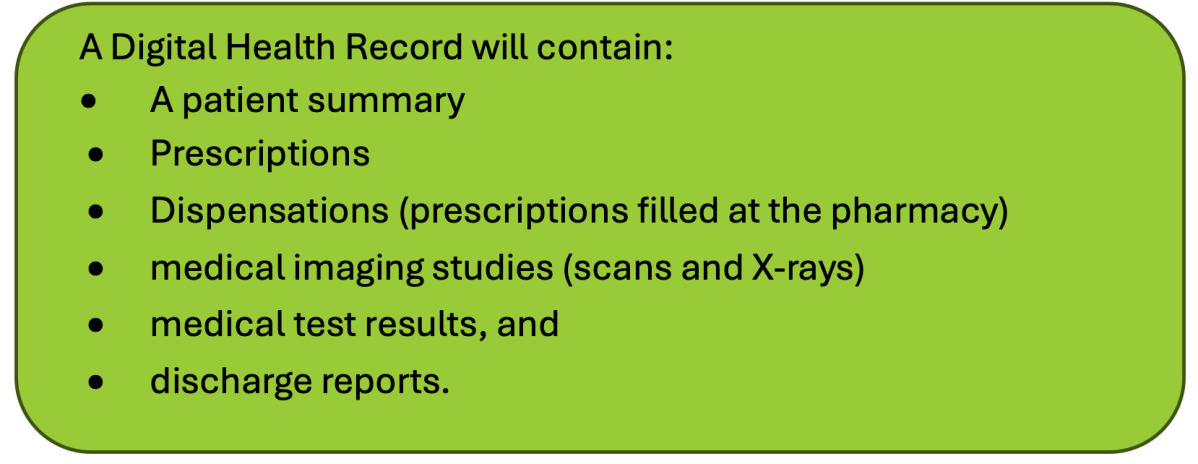
The establishment of Digital Health Records for all patients in Ireland
Greater patient access to their own health information
Greater protections around health information for primary use
Better health information for the HSE for public-interest purposes.
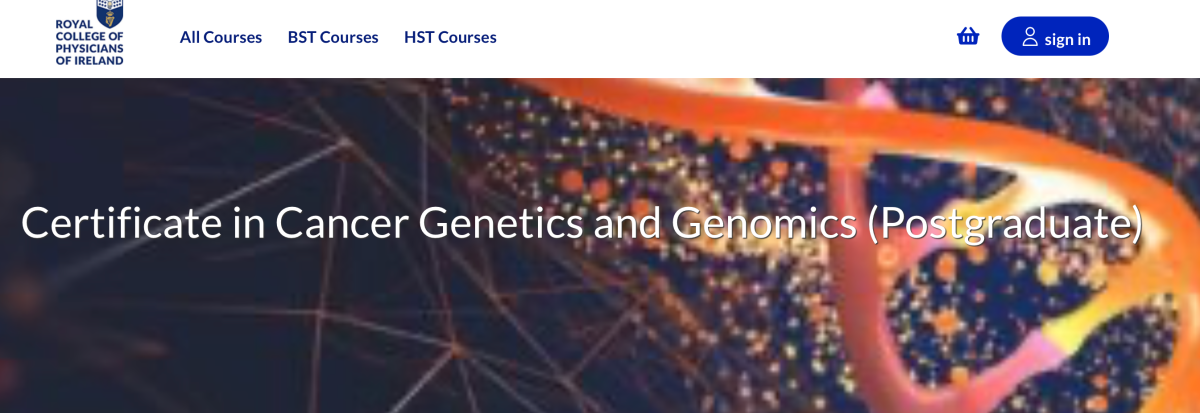
This 11-month programme contains a mixture of asynchronous and synchronous material and is delivered virtually so can be completed anywhere in the world for those who wish to advance their academic and professional knowledge and skills in the area of Cancer Genetics and Genomics.
The programme is interdisciplinary and welcomes those with a minimum requirement of a degree in a relevant healthcare or biomedical subject. A strong background in basic science is encouraged, and eligible learners should be working at a senior level in a research role or healthcare discipline involving the care of patients with cancer.
This programme will lead to Certificate in Cancer Genetics and Genomics for all other learners.
For Ireland based learners, their qualification is accredited at QQI Level 9 on the National Framework of Qualification (PG25033).
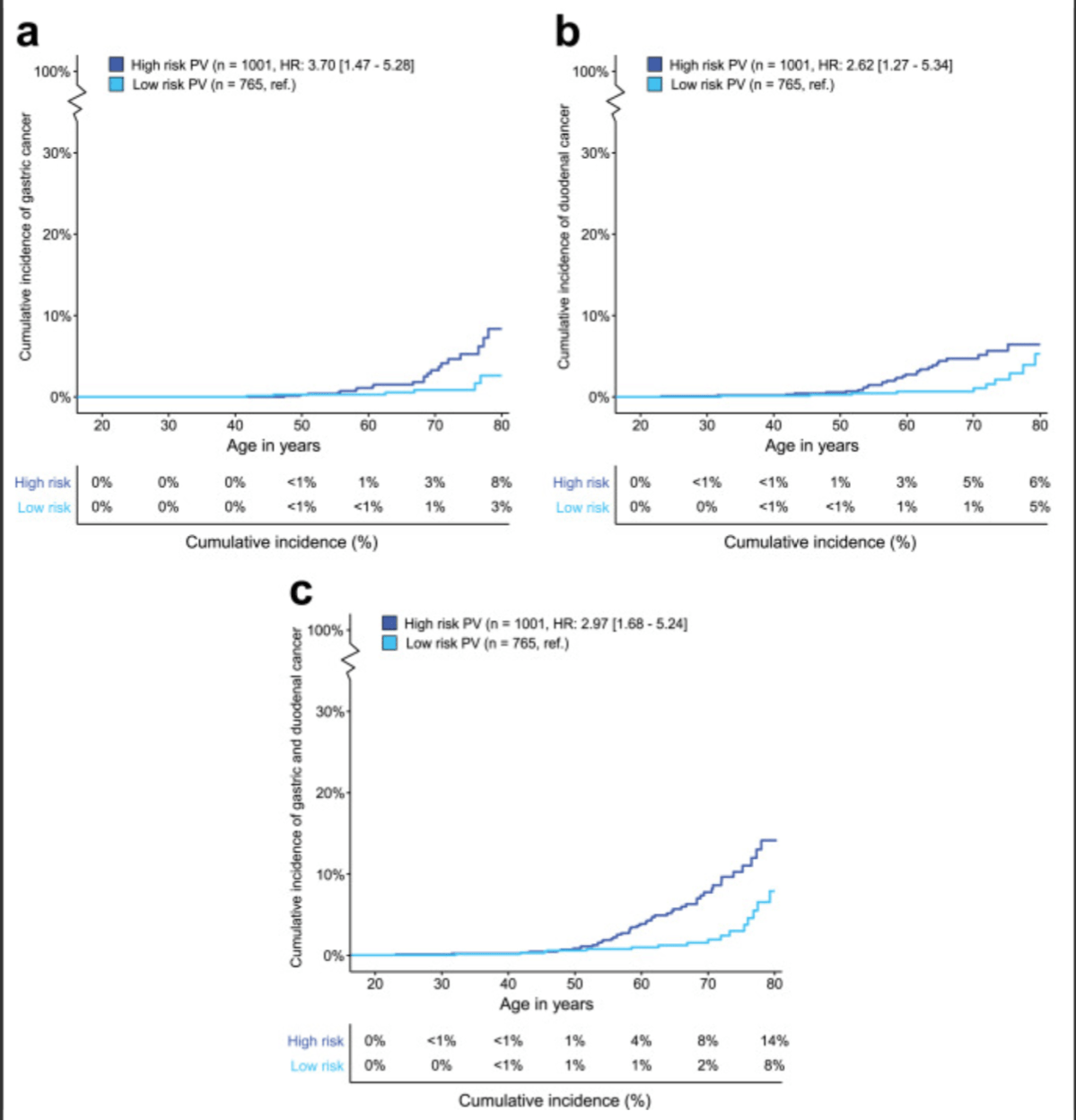
The benefit of EGD surveillance in individuals with Lynch syndrome is still a topic of debate.
Considering the invasive nature of the procedure, the patients’ burden, and—albeit small–the risks associated with conscious sedation and the procedure itself, it is essential to provide EGD surveillance only to individuals at high risk of developing GC and DC who could benefit from this procedure.
” Honestly, I now tell anyone coming to see me not to bring gifts, I just want to see you and have a laugh or two.
I discovered and concur also that the best gift someone can give is their attention and time. A casual visit or trip out for a cuppa and a chat about the ups and downs of life or gossip helps us feel like we still belong in this world.
All too often we get sidelined as if we had a contagious disease. In fact, in some ways people may see us as a walking disease rather than the person they knew before all this sickness lark happened.