
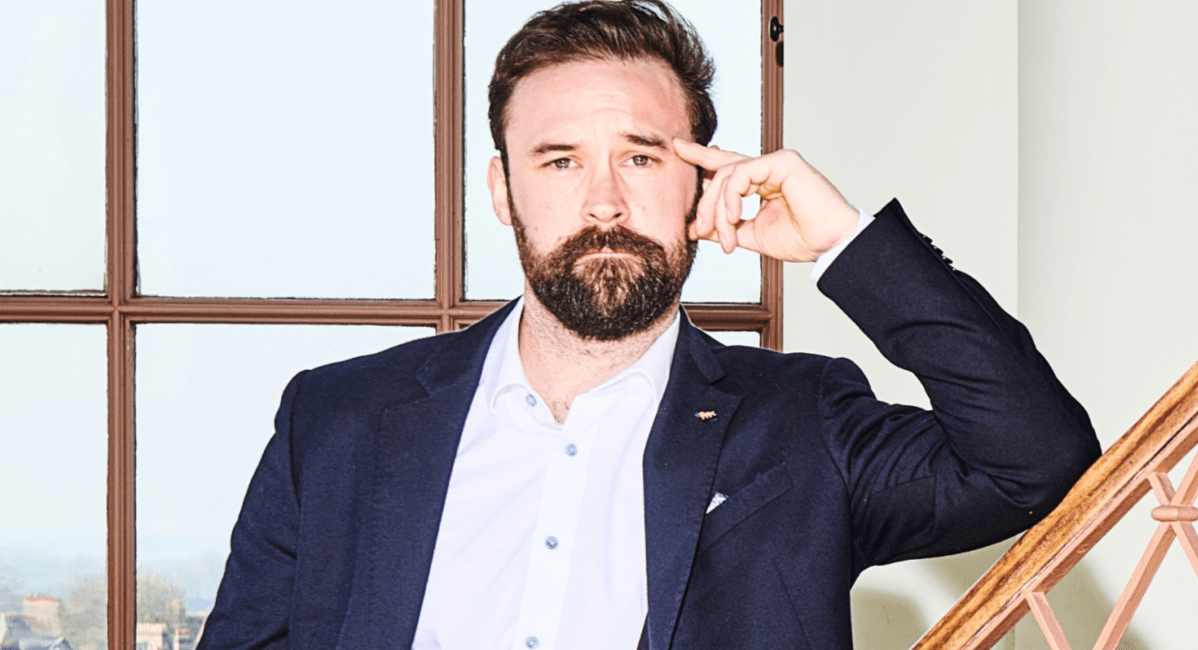
“I am a survivor of early onset rectal cancer(Age 27). Chemotherapy, radiotherapy and brutal surgery saved my life, removing my tumour along with my large intestine, bladder, prostate, rectum, pelvic floor and the base of my spine. I now live with two stoma bags and a body irrevocably changed by treatment.”
I’m confronted by an unpleasant truth: we brace for diagnosis and invest in treatments while neglecting prevention.
Prevention is often deprioritised because its benefits are delayed, less visible, and harder to measure, unlike treatment which delivers immediate, tangible outcomes.
Cancer cases are projected to rise sharply by 2050, making a treatment-focused model economically and practically unsustainable.
Up to 40% of cancers are preventable, yet most research funding is still directed toward treatment rather than prevention.
A common belief is that prevention is a weak market, as it requires convincing healthy people to take action.
This is contradicted by widespread adoption of preventive drugs like statins and Ozempic, showing people will engage when benefits are clear and tangible.
Historical failures in dietary supplement trials created lasting scepticism and made funders more risk-averse toward prevention research.
Advances in genetics, biomarkers, and technology now make targeted, cost-effective prevention strategies more feasible.
Political and media incentives favour treatment, as saving identifiable patients attracts more attention than preventing future cases.
This imbalance in visibility and incentives drives funding and policy decisions.
Reframing prevention as urgent, feasible, and scalable is essential to reduce cancer burden and protect healthcare systems.

