
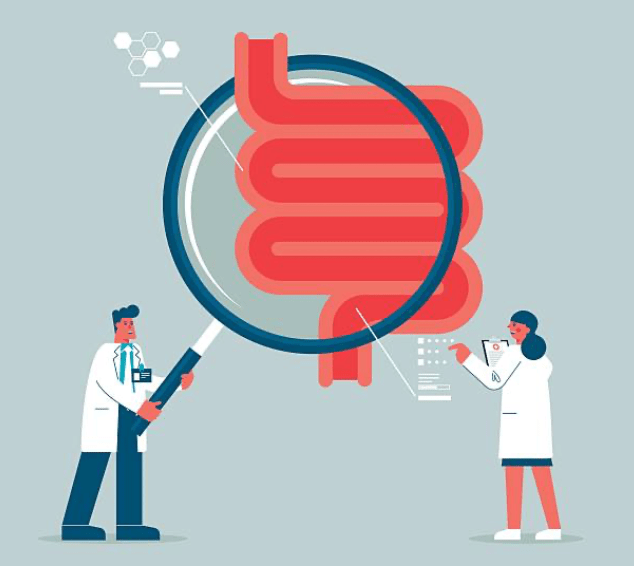
The article “8 Things Doctors Want You to Know Before Your Colonoscopy” (TIME, May 6, 2026) explains what to expect from a colonoscopy and aims to reduce anxiety around the procedure.
Key takeaways
- Colonoscopies are important preventive screenings
- They are one of the most effective ways to detect colorectal cancer early and can prevent cancer by finding and removing precancerous polyps during the procedure.
- The preparation is often the hardest part
- Doctors say patients typically find the bowel-cleansing preparation more unpleasant than the procedure itself. A clean colon is essential because it helps doctors see abnormalities clearly.
- The procedure itself is usually painless
- Most people receive sedation or anesthesia and remember little or nothing about the exam. The colonoscopy generally takes only a short time.
- You should follow prep instructions carefully
- Diet restrictions and laxative instructions may seem inconvenient, but inadequate preparation can reduce the quality of the exam and may require repeating it.
- Finding polyps doesn’t automatically mean cancer
- Polyps are common, especially as people age. Most are benign, but removing them helps prevent some from eventually becoming cancerous.
- There are risks, but serious complications are uncommon
- Colonoscopy is considered a safe procedure, though, like any medical intervention, it carries some risks that should be discussed with a healthcare provider.
- Alternative screening options exist
- Stool-based tests and newer blood tests are available for some patients, but a positive result typically requires follow-up with a colonoscopy. Many specialists still consider colonoscopy the most comprehensive screening tool.
- Don’t delay screening because of embarrassment or fear
- Doctors emphasise that colorectal cancer is often preventable or highly treatable when caught early, and the temporary inconvenience of screening is far outweighed by its benefits.
Bottom line
The article’s central message is that while colonoscopies have an intimidating reputation, the procedure is usually straightforward, safe, and highly effective at preventing and detecting colorectal cancer. The preparation is often the most challenging aspect, but completing screening on schedule can have major long-term health benefits.

