

I bet you thought that friends and loved ones would come rushing our way once they learn about our cancer diagnosis. Well, you are wrong, sadly.…
Author: Lynch Syndrome Ireland
Metaphor

Illness as Metaphor, in her book Susan Sontag sets out to diagnose the problem with the way we think about illness.
Her discovery was not to focus on sickness itself, but the language surrounding disease – language that can, in her view, quite literally kill.
https://www.fringefest.com/festival/whats-on/illness-as-metaphor
Enhance Study

You can join the #ENHANCE_study @RCSI_PopHealth @RCSIPsychology
Participation is open to:
Anyone who has experience of seeking, being referred for and/or receiving treatment for #depression after being diagnosed with #cancer (during and/or after treatment).
Healthcare professionals working in #cancer care in #Ireland (e.g., GPs, #physiotherapists, occupational therapists, #voluntary sector cancer care providers, #public health nurses, medical and radiation #oncologists, #psychologists and #psychiatrists, and clinical #nurse specialists). #ENHANCE_study
@RCSI_Irl is led by Dr. @maria_pertl and funded by @IrishCancerSoc and @hseNCCP
Colonoscopy and Upper Endoscopy Surveillance in Lynch Syndrome: A Longitudinal Study from a Large Tertiary Healthcare System
Aimed to evaluate colonoscopy and EGD surveillance outcomes and compare CRC surveillance findings by the mutated gene.
Method:
101 patients with LS were included and colonoscopy results were compared by MMR mutation.
Conclusion:
Surveillance colonoscopy outcomes differed in patients with Lynch Syndrome and suggest the need to guide surveillance based on MMR gene mutation.
https://www.ghadvances.org/article/S2772-5723%2824%2900098-0/fulltext
Risk of Gastric and Small Intestinal Cancer in Patients With Lynch syndrome – Data From a Large, Community-Based U.S. Population
This retrospective cohort study included all patients diagnosed with LS between 1/1/1997-12/31/2020 at Kaiser Permanente Northern California. Cumulative incidence of gastric cancer and small intestinal cancer was calculated using competing risk methodology.
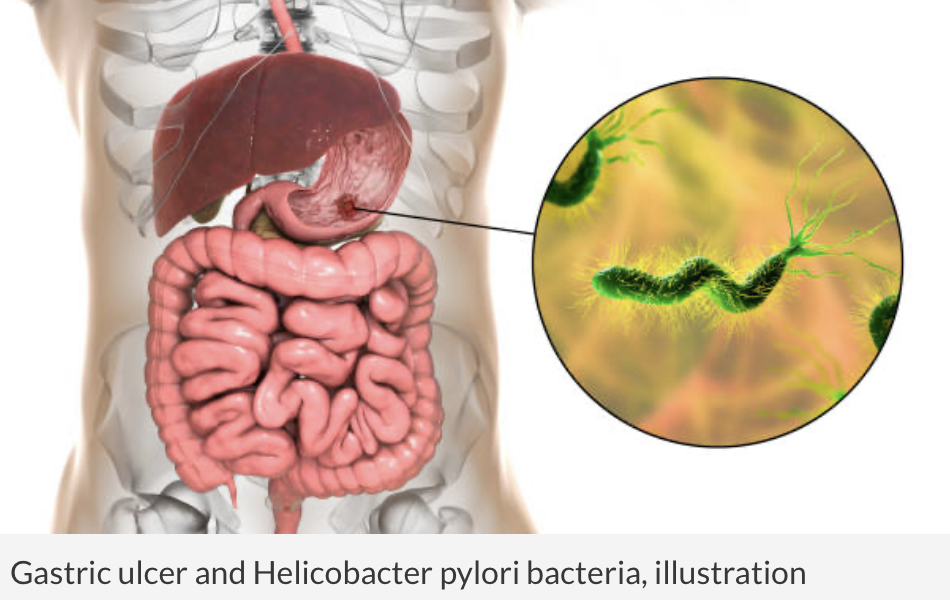
Discussion: Patients with LS, particularly MSH2 and MLH1 PV carriers, had significantly increased lifetime risk of gastric and small intestinal cancer. Testing and treatment of H. pylori should be considered for all patients with LS.
Helicobacter pylori (H. pylori) infection occurs when Helicobacter pylori (H. pylori) bacteria infect your stomach. This usually happens during childhood. A common cause of stomach ulcers (peptic ulcers), H. pyloriinfection may be present in more than half the people in the world.
Most people don’t realize they have H. pylori infection because they never get sick from it. H. pylori infection is treated with antibiotics.
Genetic Testing for Hereditary Cancer

Am I required to have genetic testing if I see a genetic counsellor?
No. Genetic counselling involves a detailed evaluation of your family history and family medical records as well as education about hereditary cancer.
Following the initial consultation, some people decide to pursue genetic testing to learn more about the level of cancer risk in their family. Others learn that their family history is not suggestive of an inherited predisposition, or they choose to not pursue genetic testing at this time. These families can still benefit from receiving education about cancer risk, as well as personalized cancer screening and prevention guidelines.
Why is genetic counselling an important part of genetic testing?
There are many different genetic tests, so the counsellor will help each person choose the test that is most appropriate based on their family history and type of information they are looking for. Also, genetic tests that are currently available cannot explain the strong history of cancer in many families. It is important to document the family history in detail so we can provide recommendations for early detection or prevention of cancer, even when genetic testing is not informative. Genetic counselling also addresses important aspects of testing, such as the implications and options for the patient and the impact on family members.
What can I do if I learn I have an increased chance of getting cancer?
There are a variety of options available to people who have an increased chance of cancer based on their family history or genetic testing results. These include increased screening or monitoring, chemoprevention – including medications that reduce the chance of cancer – and risk-reducing surgery. For people who have cancer, the results of genetic testing can sometimes affect the treatment plan.
I’ve already had cancer. What can I learn from genetic counselling?
People who have already had cancer may learn about steps they can take to detect or reduce the chance of other cancers. For example, Lynch syndrome can be associated with an increased chance of Endometrial/Colon cancer.
Genetic counselling will also provide information about whether other family members have an increased chance of developing cancer. There are steps they can take to detect cancer early or prevent it from occurring.
What about insurance discrimination and confidentiality?
The Disability Act 2005 prevent insurers from using genetic testing results to discriminate against individuals.
Part 4 of the Disability Act provides safeguards for the use of information obtained from genetic testing. The provisions aim to ensure that people who may be affected by genetic disorders will not be subject to any unreasonable requirements from an employer or an insurance or mortgage provider. The protections provided are in addition to substantial safeguards for the use of personal information contained in the Data Protection Acts.
The safeguards provide that:
- genetic testing may only take place with a person’s consent, in accordance with the Data Protection Acts
- the results of a genetic test can’t be used in relation to insurance, a mortgage, a personal pension or employment
- the person being tested must be made aware of the intended use of the test results and must, as far as possible, be informed about the possible outcomes of the test
- the use of a person’s family history for insurance purposes may be regulated by the Minister after consultation with other relevant Ministers, the Data Protection Commissioner and other interested bodies or groups
Lynch syndrome is the most common cause of inherited colorectal cancer

How Is Lynch Syndrome Diagnosed?
Lynch syndrome is diagnosed by genetic testing of a blood sample and often involves testing for multiple gene variants.
Prior to genetic testing for Lynch syndrome, individuals should be counseled about screening benefits (early initiation of cancer screening if Lynch syndrome is diagnosed or reassurance if Lynch syndrome is ruled out) and risks (potential difficulty with insurability and psychological consequences of being diagnosed with a genetic disease).
How Is Lynch Syndrome Diagnosed?
People with cancer are waiting too long for treatment in Ireland

Insufficient capacity to deliver existing services is one problem. Insufficient capability to deliver standard-of-care cancer management in key areas is another.
In most areas of cancer care, Ireland is performing well on capability, but there are gaps.
The most obvious gap is the absence of Electronic Healthcare Records. Ireland is 20-30 years behind Europe.
Have you ever had to explain to your GP the results of your scans, the procedures that you underwent, the new medications that you are now taking following an extended stay in hospital?
That is probably because the letter hasn’t arrived in the post yet.
It is not your GP’s fault.
The first step in securing the quality of cancer care that we deserve is a commitment to provide the NCCP(National Cancer Control Programme) with predictable and ring-fenced multi-year funding to deliver the agreed National Cancer Strategy.
https://www.thejournal.ie/readme/oncology-wait-treatments-funding-ireland-6432861-Jul2024/
Navigating breastfeeding through cancer treatment

Chemotherapy eventually drew to an end my journey as a breastfeeding cancer patient. This made me very sad. I felt that the decision of when I stopped breastfeeding my child had been taken away from me.Although it was a necessary evil, it would have helped to have had a discussion about it with my medical team, or been signposted to services that could help me through the process.
What you need to know
- When treating a new mother, consider the needs of the mother and baby as a whole, including breastfeeding support
- The breastfeeding network drug fact sheet offers advice for breastfeeding in relation to treatments and investigations
- If a mother has recently stopped breastfeeding, check that any medications you prescribe do not promote lactation
- When might you create a plan to support a mother to continue breastfeeding throughout her treatment or hospital stay?
- What information or resources could you share?
- How could you support a mother who has to be separated from her baby during treatment?
https://www.bmj.com/content/386/bmj.q1284
Cancer prevention vaccine (Nous-209) for people with Lynch syndrome

This US study is testing a vaccine, known as the Nous-209 vaccine, which is intended to decrease the chances that people with Lynch syndrome will develop polyps that can turn into cancer.
People with Lynch syndrome who enroll in the study will participate for one year. It evaluates the safety and effectiveness of the Nous-209 vaccine in people affected with Lynch syndrome.
 Lynch Syndrome Ireland