
Author: Lynch Syndrome Ireland

#Dip4GODay & #WorldGODay

Precision medicine built in Zurich keeps patients in the LOOP
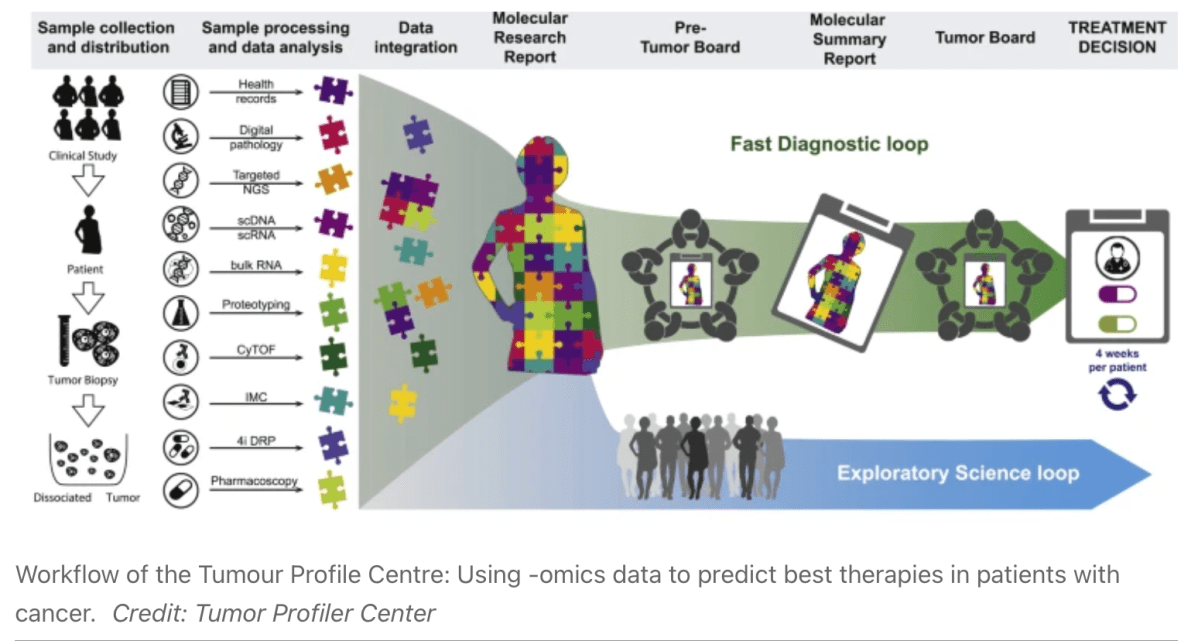
Despite incredible strides taken in cancer medicine over past decades, many patients endure a prolonged journey of trial and error, searching for the treatment that fits their unique needs. Cancer researchers now shift their focus to precision oncology. This method delves into the intricate details of each patient’s cancer, uncovering specific mutations and molecular mechanisms. The goal is to develop personalized, tailored treatments, ensuring that the right drugs are given at the right time.
Cross-institutional and cross-disciplinary approach allows synergies between the researchers, and more efficient use of resources.
“The direct challenge is the fact that cancers are heterogenous, and the metastatic tumour often has a different molecular profile to the original,” says Beck Schimmer. This means that each tumour is like a rare disease, making it hard to stratify patients for clinical trials or for treatment.
“The indirect challenges include the legal, ethical and security issues with the vast quantities of data, along with the costs,” she adds. “We can’t change the indirect challenges, but we can support the research.”
Neoadjuvant Immune Checkpoint Inhibitor Therapy for Localized Deficient Mismatch Repair Colorectal Cancer
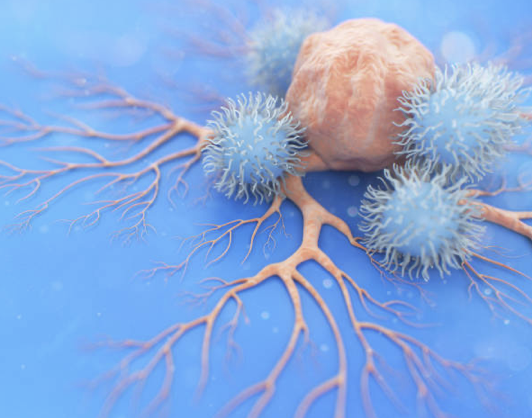
Colorectal cancers (CRCs) with deficient DNA mismatch repair (dMMR) account for 15% of all CRCs. Deficient MMR is a predictive biomarker associated with responsiveness to immune checkpoint inhibitors (ICIs) in solid tumors, including CRC. The remarkable effectiveness of ICIs in metastatic CRC has led to their evaluation in the neoadjuvant and adjuvant treatment of localized disease.
Conclusions and Relevance:
While this review found that early results of neoadjuvant immunotherapy for localized dMMR CRC show high rates of major and complete pathological response, longer-term follow-up data are needed to ensure that oncologic outcomes are not compromised and are ideally improved. Neoadjuvant ICI therapy in localized dMMR CRC represents a potential paradigm shift with implications for organ preservation.
https://jamanetwork.com/journals/jamaoncology/article-abstract/2809269
Do you know a child who has been bereaved by cancer?

The Irish Cancer Society has partnered with Barretstown to run a camp, from Sept 29th – Oct 1st, helping children who have lost a parent to cancer.
Please contact Amy Nolan at anolan@irishcancer.ie for more info
Early detection of cancer

Early detection of cancer makes treatment more likely to be successful.
Here’s a reminder of some of the most common signs & symptoms. Remember, these signs can be linked to other conditions too, but it’s important to talk to your GP if they persist for 3 weeks or more
https://x.com/BreakthroCancer/status/1702698796801556671?s=20
Consumer genetic test results ‘causing unnecessary breast cancer alarm’
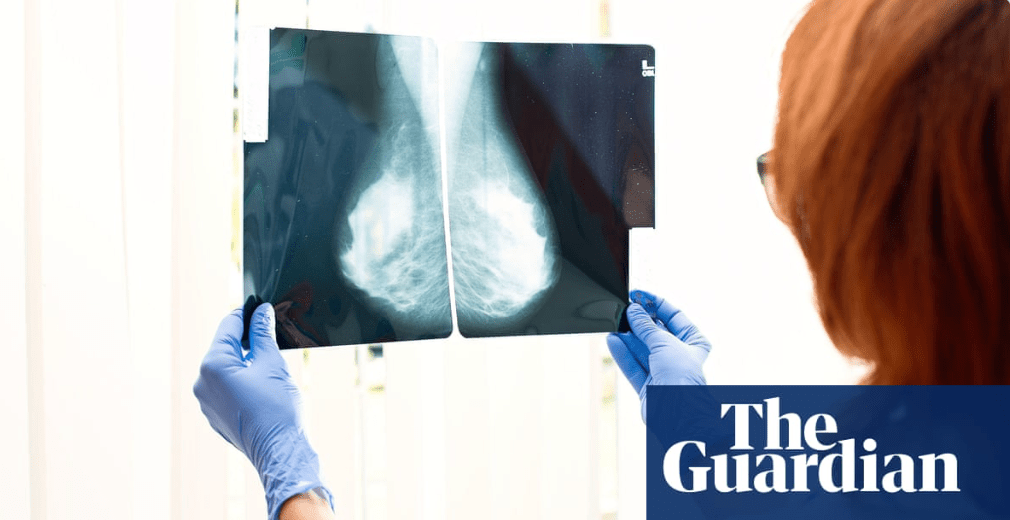
Consumer genetic test results ‘causing unnecessary breast cancer alarm’… this is why pre- and post-test counselling is crucial!
This latest study suggests that the risk carried by BRCA variants depends on secondary genetic factors, meaning family history is crucial for understanding an individual’s risk.
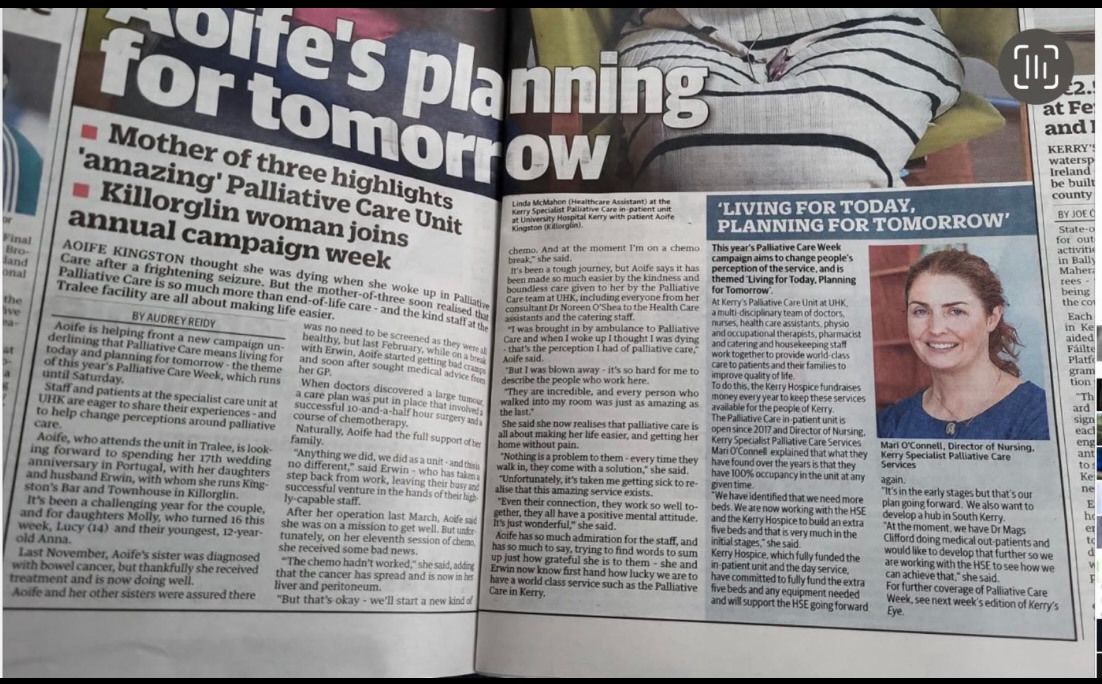
Palliative Care
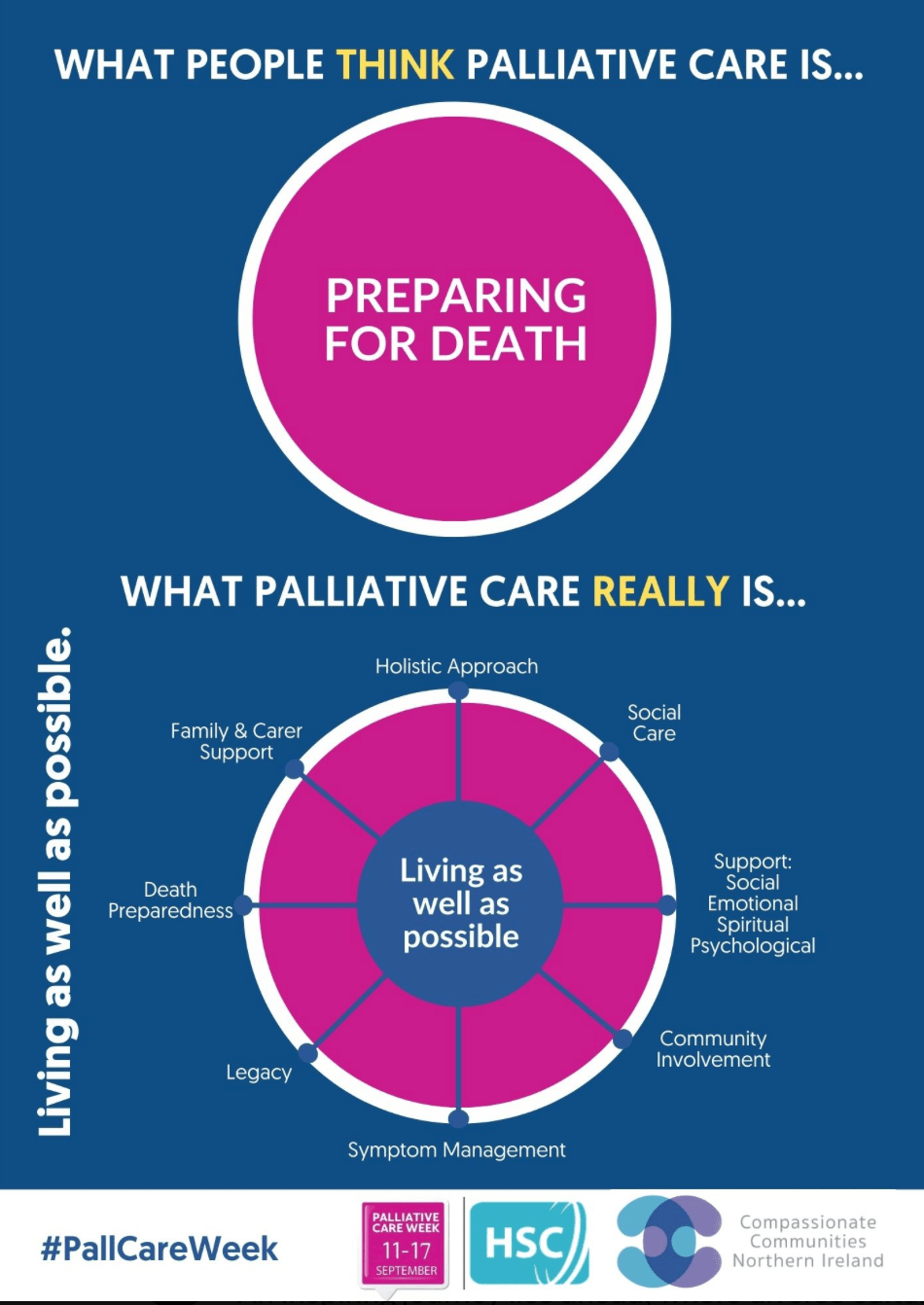
Palliative Care-much more than end of life Care
European Hereditary Tumour Group(EHTG)

EHTG has a track record of expanding guidelines and practises the concept of “dynamic guidelines”. This concept means that whenever evidence has been produced in the published literature that should lead to a change of previous guidelines and is relevant for the clinical management of a syndrome, EHTG will ask for a revision of the corresponding chapter.
Welcome everybody interested to get actively involved and join them in these efforts to improving our knowledge in the field of hereditary predisposition to cancer and to implement this knowledge for improved clinical care. This effort embraces all clinical disciplines!
 Lynch Syndrome Ireland