Physical Activity and Cancer

https://www.cancer.gov/about-cancer/causes-prevention/risk/obesity/physical-activity-fact-sheet#top

ON THIS PAGE

We need a genomics-savvy healthcare workforce

Genetics has long been used in specific areas of medicine, such as for the diagnosis of rare diseases caused by pathogenic mutations or in the context of prenatal genetic testing; however, it is now diffusing across many domains of clinical practice.

The interpretation of clinical genetic information and its communication to patients are by no means trivial. In the case of genetic tests, for example, the ideal scenario is that the test provides information on whether the patient carries an actionable pathogenic variant.

The increasingly central role of genomics in healthcare means that not only are more genetic counselors needed, but also multidisciplinary teams are essential for utilising genomic technologies in the clinical setting.

A rapidly evolving genomic revolution is poised to shape the future of healthcare, but its full clinical potential can be realized only with the development of a multidisciplinary healthcare workforce capable of evolving to stay abreast of rapidly developing genetic technologies.

https://www.nature.com/articles/s41591-023-02522-1

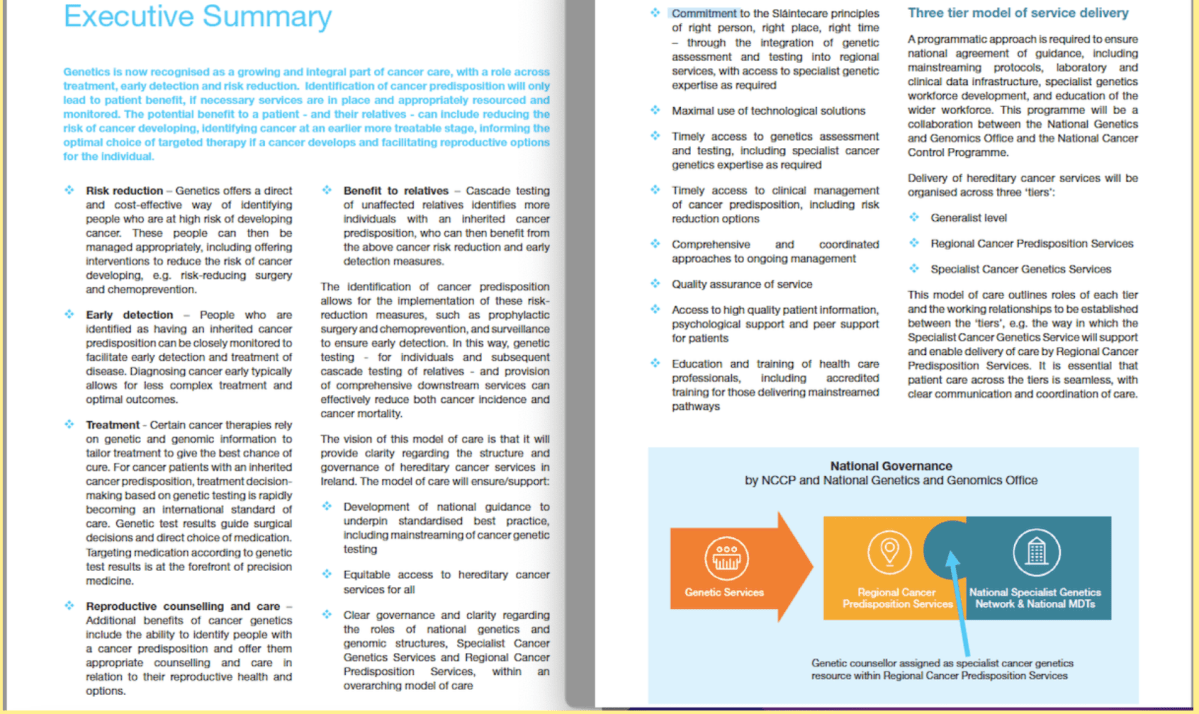
Hereditary Cancer Model of Care

Worldwide prevalence of Lynch syndrome in patients with colorectal cancer: Systematic review and meta-analysis

Overall, 51 papers were included for the final analyses (N = 51). These studies included 49,557 participants with CRC. The studies reported LS prevalence across 18 countries. 

Our results demonstrate that universal germline testing as a diagnostic tool yields the best estimates of clinically meaningful germline pathogenic variants. 

Lynch syndrome (LS) is the most common hereditary colorectal cancer (CRC) syndrome, with an estimated prevalence of 2% to 3% of CRC. A prevalence study is needed to provide accurate estimates of the true prevalence of LS.

https://www.gimjournal.org/article/S1098-3600(22)00030-2/fulltext#secsectitle0155

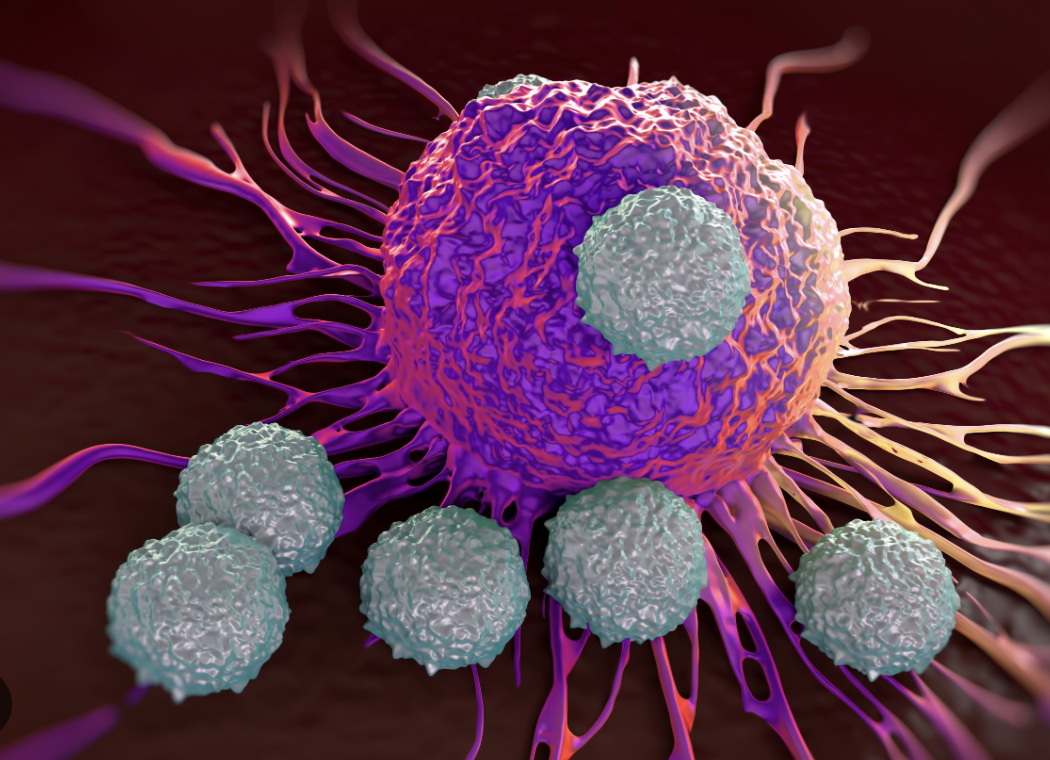
Outcome of Patients With Early-Stage Mismatch Repair Deficient Colorectal Cancer Receiving Neoadjuvant Immunotherapy: A Systematic Review

Systematic review to evaluate the outcome of patients with early-stage (stages I-III) mismatch repair deficient (dMMR) colorectal cancer (CRC) receiving neoadjuvant immunotherapy (NIT) with immune checkpoint inhibitor (ICI)–based regimens.

CONCLUSION

NIT in patients with early-stage dMMR CRC is associated with a high response rate, low primary resistance to immunotherapy and cancer recurrence rate, and an excellent safety profile. The findings of the present systematic review support further investigation of NIT in patients with early-stage dMMR CRC, with a particular emphasis on the organ-preserving potential of this strategy.

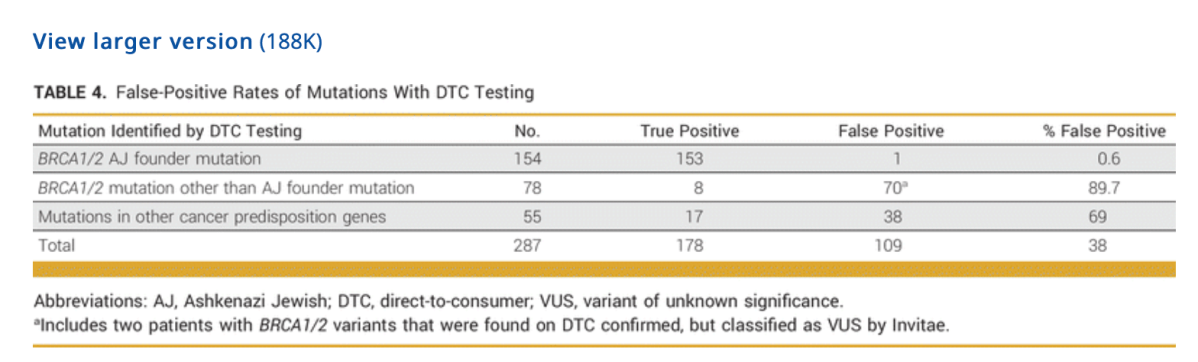
Retrospective Cohort Study on the Limitations of Direct-to-Consumer Genetic Screening in Hereditary Breast and Ovarian Cancer

Among the people who tested positive for non-founder #BRCA mutations, 89.7% [had] false-positive results. A false-positive result means the #genetic test shows you have a genetic mutation when you really don’t.

CONCLUSION

Direct to Consumer genetic testing misses >90% of BRCA1/2 pathogenic/likely pathogenic variants in individuals of non-AJ(non-Jewish) ancestry and about 10% of BRCA1/2 PLPV among AJ individuals. There is a high false-positivity rate for non-AJ BRCA 1/2 PLPV with DTC genetic testing.

https://ascopubs.org/doi/10.1200/PO.22.00695

Inheriting a Cancer Risk

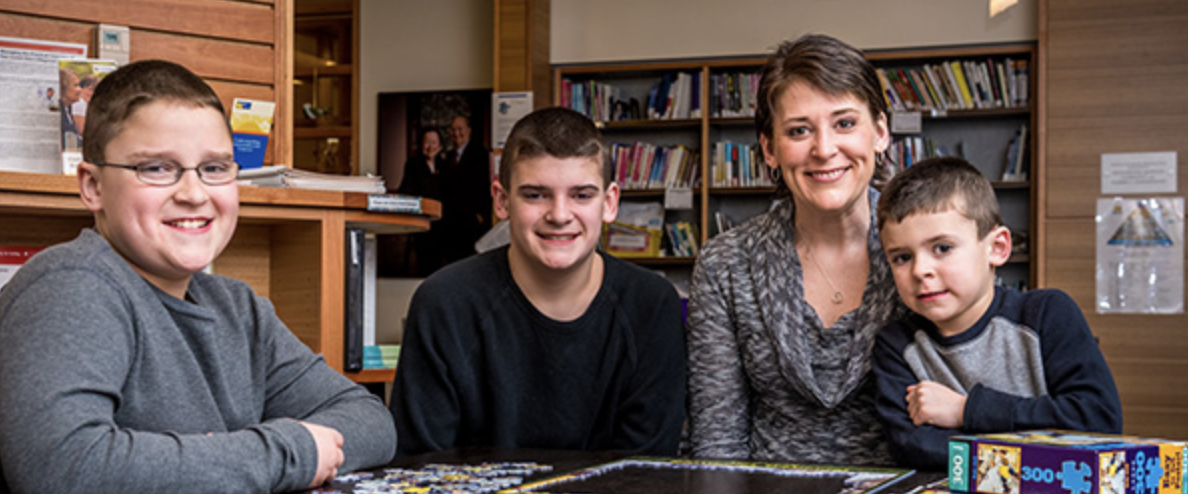
No parent wants to pass a genetic mutation to their child. But once people know they have an increased risk of developing cancer, they can take proactive steps to ensure the best outcome.

Patients often have to make decisions based on incomplete information. But when people learn they have a genetic mutation that increases their risk of cancer, they can arm themselves with information, proactive screening measures and prophylactic procedures to mitigate the risk of getting the disease.

https://www.curetoday.com/view/inheriting-a-cancer-risk

X or Exit

From Tweets to Threads: Exploring the Transforming Role of Social Media in the Lynch Syndrome Community.

https://www.curetoday.com/view/from-tweets-to-threads-exploring-the-transforming-role-of-social-media-in-the-lynch-syndrome-community?fbclid=IwAR3rPH9FrYXuN7QlNnoVZjLkMTEzVICTE9lR8IQZWeiXrnM_WEABZFJ6i0w

Beyond Cancer

This podcast series features cancer survivors sharing how they’ve navigated the physical side effects, emotional challenges, and different dynamics of life during and after cancer treatment.

https://www.dana-farber.org/health-library/articles/beyond-cancer/