Being involved with Trials Methodology – some reflections from Derek Stewart 

‘Research into the methods used in the design, conduct, analysis and reporting of clinical trials is essential to ensure that effective methods are available and that clinical decisions made using results from trials are based on the best available evidence, which is reliable and robust.’

Patient, Public Involvement brings a pragmatism, external perspective and opinions on the uncertainties that methodologists wrestle with as part of the decision making within their work. It is precisely in this space that the contributions can be so valuable. Equally for those us who get involved it provides an opportunity to learn more about health research methods and helps us ask better questions with other projects.

Patient decision support resources inform decisions about cancer susceptibility genetic testing and risk management: a systematic review of patient impact and experience

Conclusion: Decision support resources about genetic cancer susceptibility are likely useful to support decision-making…..Tailored patient-facing decision aids should also be made available to patients identified as carriers of a pathogenic gene variant that increases future cancer risks, to complement traditional genetic counselling.

https://www.frontiersin.org/articles/10.3389/frhs.2023.1092816/full

NCCN: Genetic/Familial High-Risk Assessment: Colorectal (01.2023)

NCCN⁩ expanding genetic testing to “Any Lynch related cancer” instead of colon and endometrial cancer as one of the testing criteria

Pinpointing pain: Is it cancer or cancer treatment?

Weird aches and pains abound after cancer treatment, making it hard for patients in remission to figure out whether they’re suffering a treatment side effect or experiencing the first whispers of a cancer recurrence. 

“I see patients with different types of cancer and a lot of the time, they want to know ‘Is this pain related to recurrence or is it something else?’” said Fred Hutchinson Cancer Center’s Medical Director of Cancer Rehabilitation Hanna Hunter MD. “In a lot of cases, it’s something else.”

https://www.fredhutch.org/en/news/center-news/2023/06/pinpointing-pain-cancer-or-treatment-collateral-damage.html

Watching My Husband Die – by Georgia Hurst

“If you don’t know how to die, don’t worry; Nature will tell you what to do on the spot, fully and adequately. She will do this job perfectly for you; don’t bother your head about it.” – Montaigne

I have been dealing with my mortality for the past 12 years — since I was diagnosed with Lynch syndrome. I struggled with it initially because several family members have died young and have left young children behind.

thisisGO.ie is an online personalised resource for you and yours who have been impacted by a gynaecological cancer

The team at thisisGO.ie recognises the importance of having access to the latest scientific research.

See a sample of recent scientific papers pertinent to gynaecological cancers and summaries the key points from each of the papers referenced below.

If this is of interest to you, you can find lots more articles,  disease specific, when you “Create a Profile”. Once logged in just search ‘Decoding the Science’.

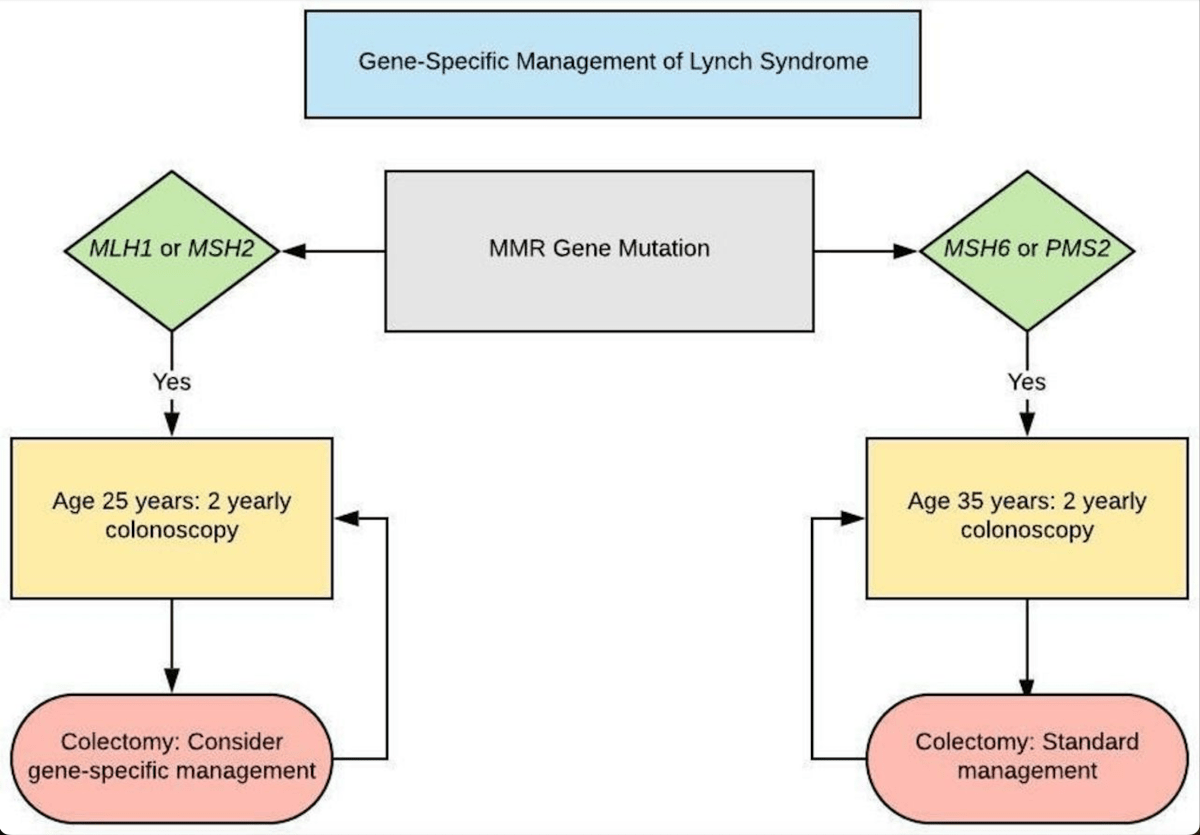
Lynch syndrome: from detection to treatment

Lynch syndrome is encountered by many clinicians at some stage in their practice and yet remains under-diagnosed with historically limited success in risk stratification and management.

The PLSD(http://plsd.eu) international database continues to expand our knowledge of LS-associated cancer risk. However, we have yet to obtain international consensus on the optimal surveillance strategies, which will be essential among a population of patients who are living beyond their index cancer.

The advent of NGS(next generation sequencing) into clinical practice will undoubtably improve detection rates and allow for more effective, precise, and personalised management programmes for patients with LS.

Finally, over the next decade it will be exciting to see improvements in the preventative strategies that can be offered to patients in the form of aspirin, or even anti-cancer vaccines, as we continue to attempt to disrupt the natural history of this prevalent cancer predisposition syndrome.

 National Strategy for Accelerating Genetic and Genomic Medicine in Ireland

The key strategic areas of focus for the development Ireland’s genetics and genomics service are:

  • Coordinating a national approach to genetics and genomics: A national office for genetics and genomics will be established to oversee all aspects of genetic and genomic clinical service and research activities, engage with key stakeholders to address policy and legislative gaps, and drive the implementation of this strategy.
  • Ensuring Patient and Public Involvement (PPI) and Partnerships: In alignment with Sláintecare, this National Strategy outlines our approach for developing a sustainable patient and family centred genetics and genomics service that can be accessed equitably across the country and across the lifespan of patients. The service is to be supported by strong governance, a skilled workforce, pioneering research and innovation, and trusted partnerships.
  • Building the genetics and genomics workforce for the future: A workforce plan will support recruitment, retention, education and career development of the current specialised workforce which includes genetic counsellors and clinical scientists. Staff will be supported and will develop specialised knowledge and skills in genetics and genomics.
  • Enhancing genetic and genomic clinical services: There is a need to continue the transition of genetics and genomics into routine service delivery and support the use of evidence-based genetic and genomic tests. This will enable the development of locally integrated, multidisciplinary, patient and family centred diagnostic and care pathways. 
  • Strengthening infrastructures to drive advances in genetics and genomics: Supporting infrastructure is needed to collect, test, store, process and analyse samples for both patient care and ongoing research applications. To strengthen data infrastructure, existing genetic and genomic data capacity and capability will be reviewed. Continued work on further infrastructure implementation will be carried out to support clinical service delivery.

Patients’ satisfaction w/Lynch syndrome providers

This episode is the first in a series featuring former CGA-IGC research grant recipients.Features Dr. Allison Burton-Chase, MD from the Albany College of Pharmacy and Health Sciences. Dr. Burton-Chase was the first recipient of the CGA-IGC research grant in 2014 for her work entitled “Factors Impacting the Decision of an Individual with Lynch Syndrome to Terminate a Health Care Provider Relationship”.

The majority of patients who terminated their patient-provider relationships did so due to negative interactions, such as the provider having a lack of Lynch syndrome-specific knowledge or not being open to improving their knowledge on Lynch syndrome.

https://www.cgaigc.com/post/patients-satisfaction-w-lynch-syndrome-providers-interview-w-2014-cga-igc-research-grant-recipient