Have you been diagnosed with Lynch syndrome?

FORCE(USA) has compiled resources and information to help people make informed decisions and receive support.

People diagnosed with Lynch syndrome have an increased risk for colorectal, endometrial and other cancers. Options are available for cancer treatment, screening and prevention for people with Lynch syndrome.

https://www.facingourrisk.org/portal/people-with-lynch-syndrome

Cancer Prevention with Resistant Starch in Lynch Syndrome Patients in the CAPP2-Randomized Placebo Controlled Trial: Planned 10-Year Follow-up 

Prevention Relevance:

Regular bowel screening and aspirin reduce colorectal cancer among patients with LS but extracolonic cancers are difficult to detect and manage. This study suggests that RS reduces morbidity associated with extracolonic cancers.

https://aacrjournals.org/cancerpreventionresearch/article/doi/10.1158/1940-6207.CAPR-22-0044/707189/Cancer-Prevention-with-Resistant-Starch-in-Lynch#.Yt81Yyez1xk.twitter

ThisisGO.ie

Another brilliant resource now available for women living with/beyond and with a predisposition to cancer.

Phase 3 live now

-400 women are diagnosed with Uterine cancer every year. 70-80% diagnosed are living with obesity.

Log on to https://thisisgo.ie/?fbclid=IwAR13F4M_K4vkAjBjD__7C7zDvxQdpgWuSW-IQnmA3JX9LePG9QDh9qay_X8 for accurate info.

Quite simply, people need to take bowel cancer seriously. Give a $#*! about your bowel, it could save your life…

https://fb.watch/ekMGYHtR0Q/

Bowel cancer deaths can be prevented through the early detection and removal of polyps.

“We want to prevent polyps turning into early-stage cancers,” Bowel Cancer Australia Medical Director, Graham Newstead AM said.

Cutaneous Squamous Cell Carcinoma in Lynch Syndrome — An Overlooked Association

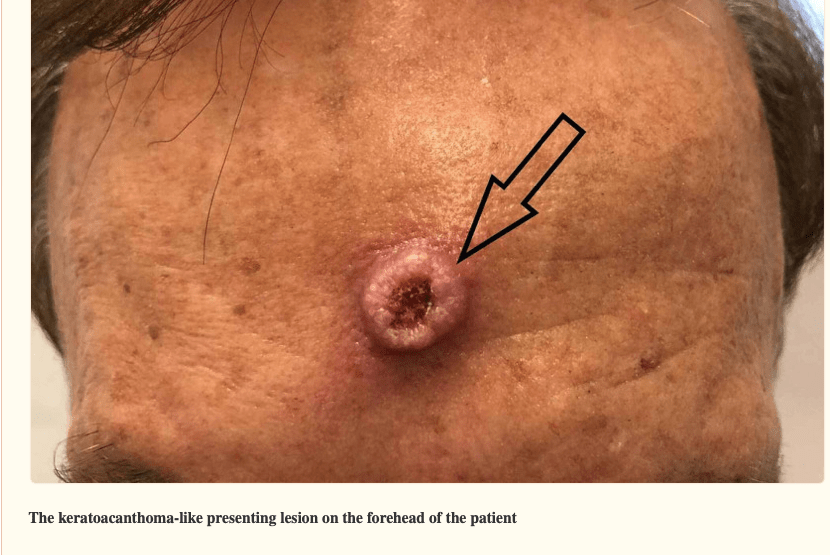
Muir-Torre syndrome (MTS) is a subtype of Lynch syndrome that involves sebaceous neoplasms (e.g., adenoma, carcinoma, epithelioma), keratoacanthomas, or both in addition to other LS-related tumors.

https://www.ncbi.nlm.nih.gov/pmc/articles/PMC7916637/

European guidelines from the EHTG and ESCP for Lynch syndrome: an updated third edition of the Mallorca guidelines based on gene and gender(2021)

The recommendations from the EHTG and ESCP for identification of patients with Lynch syndrome, colorectal surveillance, surgical management of colorectal cancer, lifestyle and chemoprevention in Lynch syndrome that reached a consensus (at least 80 per cent) are presented.

https://academic.oup.com/bjs/article/108/5/484/6287132?login=false

Eat Your Veggies: Diet Plays a Role in Cancer Occurrence and Outcomes

While there is no diet or workout plan that can cure or prevent cancer, research has shown that a change in eating habits could improve outcomes…. 

https://www.curetoday.com/view/eat-your-veggies-diet-plays-a-role-in-cancer-occurrence-and-outcomes

Lynch Syndrome for the Gynaecologist

Cumulative Lifetime risks of cancer in Lynch Syndrome

Endometrial: Up to 57%

Ovarian: Up to 17%

The most common hereditary form of hereditary colorectal cancer

 Identifying patients with Lynch syndrome is clinically important because these patients have up to 80 percent lifetime risk of colorectal cancer and up to 60 percent lifetime risk of endometrial cancer.

These patients also have an increased risk for other primary cancers including gastric, ovarian, small bowel, urothelial (ureter, renal pelvis), biliary tract, pancreatic, brain (glioblastoma), sebaceous gland adenomas, and keratoacanthomas.

Individuals found to have a deleterious Lynch syndrome mutation are at increased cancer risk with the greatest risk of colorectal and endometrial cancers, followed by gastric and ovarian cancers. Fortunately, there are risk management guidelines for carriers of Lynch syndrome which are associated with a decrease in cancer-related deaths. 

https://www.ncbi.nlm.nih.gov/books/NBK431096/#:~:text=Identifying%20patients%20with%20Lynch%20syndrome,lifetime%20risk%20of%20endometrial%20cancer

Director of the Lynch Syndrome Center Shares his Personal Connection to Lynch Syndrome

People with Lynch syndrome are often tested and diagnosed because they have been diagnosed with cancer or they have a family history of cancer, ultimately triggering a recommendation for genetic testing.

Eight of the 13 in his grandfather’s generation ultimately developed some form of cancer, and it wasn’t until later that Matt Yurgelun would understand why: Lynch syndrome, which increases one’s risk for a variety of cancers, runs in the family.

‘The immune systems of patients with Lynch syndrome who haven’t had cancer sometimes exhibit responses to that MSI. This suggests that these patients’ immune systems are reacting to pre-cancerous formations in the body. This discovery has spurred cancer vaccine research for people with Lynch syndrome to prevent possible cancers that might develop because of it.’