Acquired vs. Inherited Mutations in Cancer: What You Need to Know 

An example of an inherited risk of cancer is Lynch syndrome. A person with Lynch syndrome has an elevated risk of colorectal, endometrial, stomach, ovarian, urinary tract, other intestinal cancers, and additional cancers.

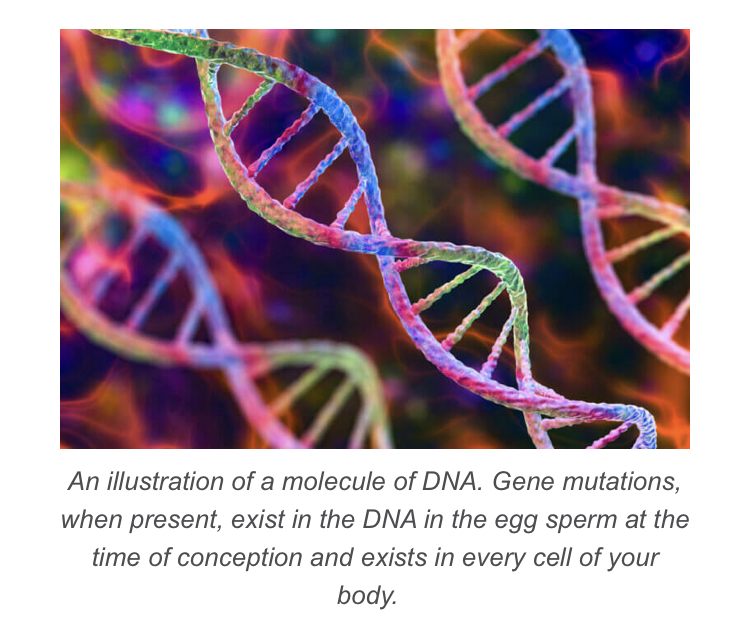
The increased risk is due to a mutation in one of several genes that fix mistakes made when DNA is copied. These genes are called DNA mismatch repair genes. The body has many mechanisms that work hard to prevent DNA copying errors and protect against cancer.

When one of those mechanisms is disabled by mutations, cancer is more likely to occur and at a younger age.

Vaccines to treat cancer possible by 2030, say BioNTech founders

mRNA Covid vaccine technology could be repurposed so that it primed the immune system to attack cancer cells.

BioNTech was working on mRNA cancer vaccines before the pandemic struck but the firm pivoted to produce Covid vaccines in the face of the global emergency. The firm now has several cancer vaccines in clinical trials. Türeci said the development and success of the Pfizer/BioNTech vaccine, which is similar to the Moderna Covid shot, “gives back to our cancer work”.

But Türeci(who co-founded BioNTech, the German firm that partnered with Pfizer to manufacture a revolutionary mRNA Covid vaccine) remained cautious about the work. “As scientists we are always hesitant to say we will have a cure for cancer,” she said. “We have a number of breakthroughs and we will continue to work on them.”

https://amp-theguardian-com.cdn.ampproject.org/v/s/amp.theguardian.com/society/2022/oct/16/vaccines-to-treat-cancer-possible-by-2030-say-biontech-founders?amp_gsa=1&amp_js_v=a9&usqp=mq331AQIKAGwASCAAgM%3D&fbclid=IwAR18d3jSHWXuKBI8FXgJLJWBjUvXvgnxI7zzvx6zkC-xCmPaa8Fk1LOE_QA#amp_tf=From%20%251%24s&aoh=16659558517121&csi=0&referrer=https%3A%2F%2Fwww.google.com&ampshare=https%3A%2F%2Fwww.theguardian.com%2Fsociety%2F2022%2Foct%2F16%2Fvaccines-to-treat-cancer-possible-by-2030-say-biontech-founders

Bowel Cancer Awareness Month

Very powerful sharing from Roberta. I think Genetic Counsellors everywhere will feel humbled that your experience was empowering & led to the correct diagnosis.

Highlights how important their role is, how families should know their cancer history & have the correct screening.

Is Colon Cancer Risk Hiding in Your Genes?

Most people diagnosed with colorectal cancer are at least 65 years old, but I was only 45 when doctors discovered my cancer, which they believed had been growing inside me for at least a decade. As someone who exercises regularly and maintains a healthy diet, I was shocked by my diagnosis. My doctors and I assumed that it was simply a case of bad luck.

“as many as 10% of colorectal cancer patients have an inherited gene mutation that caused their illness. I should know, because I was one of them.”

“I’ve heard people say that they don’t want to get genetic testing because there’s no way to prevent hereditary cancer, therefore it’s better not to know. But that couldn’t be further from the truth.”

https://www.sfgate.com/sponsoredarticles/lifestyle/health-wellness/article/is-colon-cancer-risk-hiding-in-your-genes-17816195.php

BowelScreen – The National Bowel Screening Programme

The BowelScreen programme will send an invitation to men and women aged 60 to 69 years to take part in the programme.

If you are aged between 60 to 69 years and living in Ireland, you can ring BowelScreen on Freephone 1800 45 45 55 to check your details are on the register.

A BowelScreen home test kit will be sent to you in the post with instructions about how to do the test.

If you have any concerns about your bowel health or symptoms you should contact your GP immediately.

Symptoms of bowel cancer

The symptoms of bowel cancer can include:

  • Bleeding from the back passage or blood in your poo;
  • A change in normal bowel habits;
  • A lump that your doctor can feel in your back passage or abdomen (more commonly on the right side);
  • A feeling of needing to strain in your back passage (as if you need to pass a bowel motion), even after opening your bowels;
  • Losing weight;
  • Pain in your abdomen or back passage; or
  • A lower than normal level of red blood cells (anaemia).

Lynch Syndrome Cancer Risk to Age 70

Individuals with Lynch syndrome are at increased risk for multiple cancer types (common ones shown here). Note: MLH1 has the highest pancreatic cancer risk, MSH2 has the highest urothelial & prostate cancer risk, & PMS2 risks are mainly CRC & EC.

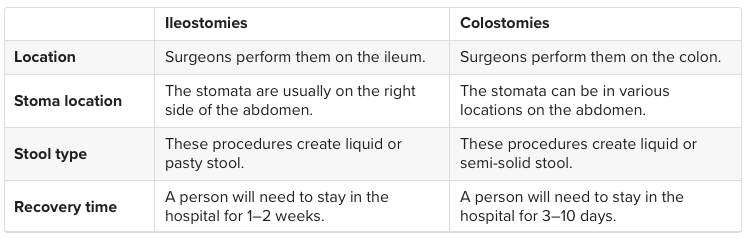
What is the difference between an ileostomy and a colostomy?

Ileostomies and colostomies are both forms of ostomy surgery. Each procedure involves different parts of a person’s bowel.

Ileostomies and colostomies can both be lifesaving surgeries. If a person has any concerning bowel symptoms, they should talk with a doctor.

https://www.medicalnewstoday.com/articles/iieostomy-vs-colostomy

Lynch Syndrome: Know your risk | Dana-Farber Cancer Institute


Dana-Farber’s Matt Yurgelun, MD, discusses Lynch Syndrome research and the challenges of a Lynch Syndrome diagnosis. Dana-Farber’s Lynch Syndrome Center offers genetic testing to help identify Lynch Syndrome carriers who may be at increased risk for a variety of cancers.

Mortality by age, gene and gender in carriers of pathogenic mismatch repair gene variants receiving surveillance for early cancer diagnosis and treatment: a report from the prospective Lynch syndrome database

The current study found low CRC mortality in path_MMR carriers who receive colonoscopy surveillance while some extracolonic cancers were associated with high mortality. Further improvement of survival in LS may require a focus on the prevention and treatment of non-colorectal cancers, likely including approaches based upon the immune response to MSI pre-cancerous lesions and cancers.

This study also provides more precise cumulative cancer incidences for path_MMR carriers than have been available previously, stratified by age, gene, organ, and gender.

https://www.sciencedirect.com/science/article/pii/S258953702300086X

What is Lynch Syndrome?

Be aware of gene changes and cancer in your family and take part in screening to reduce your risk of cancer.

https://www.cancer.ie/node/982