

Genomic Notes for Clinicians
Page contents:
- Clinical features
- The genetics of Lynch syndrome
- Diagnosis and management of Lynch syndrome
- Resources
https://www.genomicseducation.hee.nhs.uk/genotes/knowledge-hub/lynch-syndrome/
Genomic Notes for Clinicians
Page contents:
https://www.genomicseducation.hee.nhs.uk/genotes/knowledge-hub/lynch-syndrome/
Genetic and genomic health information increasingly informs routine clinical care and treatment.
Building the capacity of the current and next generation of nurses and physicians to integrate genetics and genomics into usual clinical practice is essential if opportunities afforded by precision medicine are to be fully realised.
https://www.gimjournal.org/article/S1098-3600(21)01181-3/fulltext
An example of an inherited risk of cancer is Lynch syndrome. A person with Lynch syndrome has an elevated risk of colorectal, endometrial, stomach, ovarian, urinary tract, other intestinal cancers, and additional cancers.
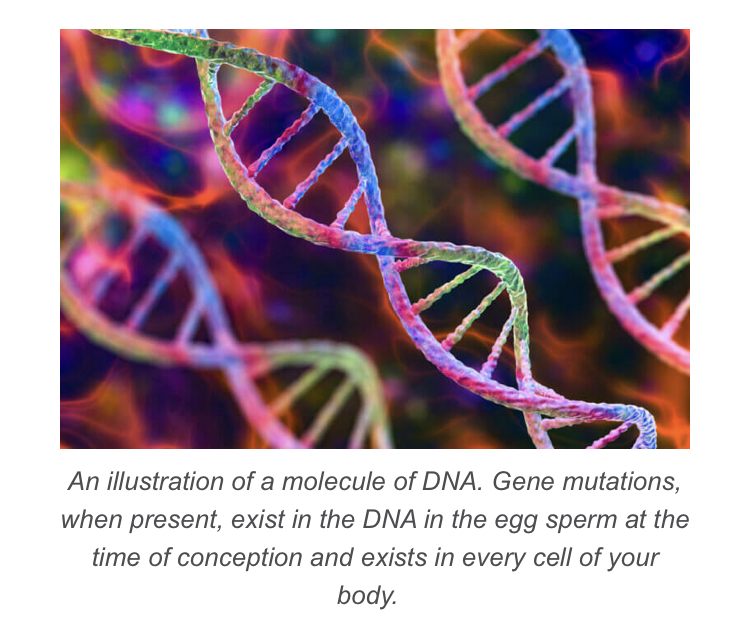
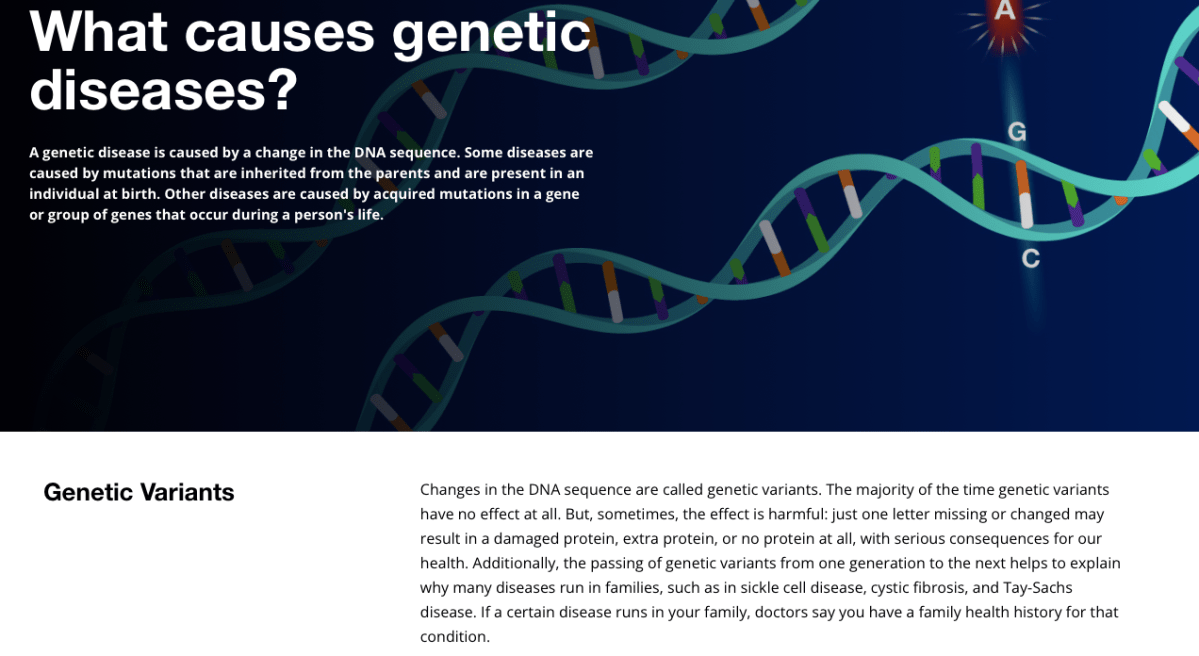
The increased risk is due to a mutation in one of several genes that fix mistakes made when DNA is copied. These genes are called DNA mismatch repair genes. The body has many mechanisms that work hard to prevent DNA copying errors and protect against cancer.
When one of those mechanisms is disabled by mutations, cancer is more likely to occur and at a younger age.
Like Lynch Syndrome?
Very powerful sharing from Roberta. I think Genetic Counsellors everywhere will feel humbled that your experience was empowering & led to the correct diagnosis.
Highlights how important their role is, how families should know their cancer history & have the correct screening.
Most people diagnosed with colorectal cancer are at least 65 years old, but I was only 45 when doctors discovered my cancer, which they believed had been growing inside me for at least a decade. As someone who exercises regularly and maintains a healthy diet, I was shocked by my diagnosis. My doctors and I assumed that it was simply a case of bad luck.
“as many as 10% of colorectal cancer patients have an inherited gene mutation that caused their illness. I should know, because I was one of them.”
“I’ve heard people say that they don’t want to get genetic testing because there’s no way to prevent hereditary cancer, therefore it’s better not to know. But that couldn’t be further from the truth.”
Dana-Farber’s Matt Yurgelun, MD, discusses Lynch Syndrome research and the challenges of a Lynch Syndrome diagnosis. Dana-Farber’s Lynch Syndrome Center offers genetic testing to help identify Lynch Syndrome carriers who may be at increased risk for a variety of cancers.
According to the HSE’s website, there is “room for improvement” in the medical genetics and genomics services offered in Ireland when compared to other European countries. (perhaps an understatement???)
The strategy states: “To date, Ireland has made some progress in developing its genetic and genomic services, with pockets of excellence evident throughout the country. However, to fully realise the benefits of genetics and genomics, there is an urgent need to mainstream them so that they can become an integral part of our routine care delivery.”
Strategies are very helpful in healthcare because a strategy gives you a sense of direction….
Provided for under this strategy is:
On the impact of the national office, Dr Henry predicted there will be a high level of activity “in year one, and the office will drive it”. He said it will “become the engine of what happens in year two, three, four, and later”.
Also, the office will “advocate” and “compete for funding each year”.
As our understanding of disease evolves, it is very clear that genomics will inform much of the decision-making
Easy….




 Lynch Syndrome Ireland