Hospital to award €2.4m for cancer genetic testing service

St James’s is the national referral centre for adult inherited cancer genetics. Patients are referred from general practitioners, regional hospitals and cancer centres for cancer genetic counselling, risk assessment, and genetic testing. 

The testing provider would be responsible for subcontracting a courier service to track the sending and receipt of genetic testing kits; processing of the sample for cancer genetic testing; bioinformatics and data analysis and result outcome; and confidentiality of information submitted to the online portal to order the test.

As of early 2025, more than 2,600 adults nationally were awaiting a genetics outpatient appointment, with more than 750 waiting more than 18 months.

  • Genetic counsellors are healthcare professionals who provide support to those who are at risk for or affected by an inherited cancer condition.
  • Genetic counselling is not officially recognised by the HSE. This is challenging because it restricts access to genetic services.
  • 90% of genetic cancers go undetected.
  • The work of genetics counsellors is vital in improving identification of inherited cancer and cancer prevention. Currently there is an 80% deficient in GC resources in cancer care

Lynch Syndrome News

March is Colorectal Cancer Awareness Month, a time when healthcare professionals emphasize the importance of regular screenings for early detection and prevention of colorectal cancer. Recent studies have shown an increase in colorectal cancer cases among individuals under 50, making awareness and early detection even more critical.

https://www.facebook.com/share/16CNb4nfzA/?mibextid=wwXIfr

New Approaches to Hereditary Cancer Risk Assessment in Lynch Syndrome and Beyond

Case Conference, during which Matt Yurgelun, MD (@MattYurgelun) from @DanaFarber discusses new approaches to hereditary colorectal cancer risk assessment.

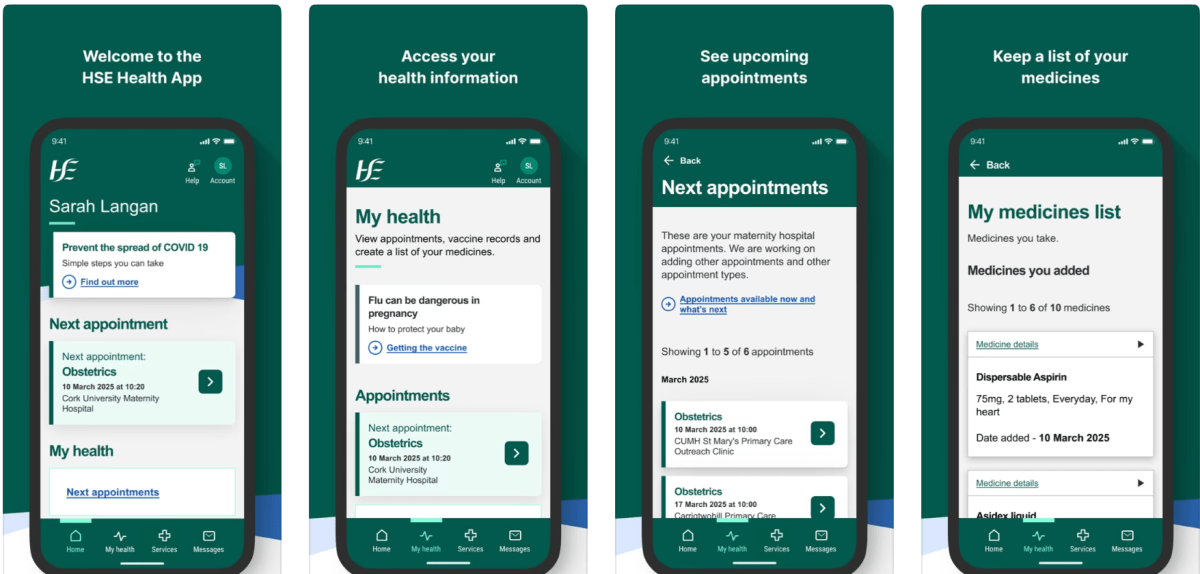
HSE Health App

This innovative tool empowers patients by providing easy access to their health information and will become the digital front door for patients in the coming months and years to navigate and access the health service.

Easily accessible health information that is accurate and trustworthy. The phased introduction of appointment notifications and reminders will make it easier for people to manage their care.

The first release includes functionality that allows people to:

  • carry a digital list of self-declared medications and see a list of medicines received through the Drugs Payment Scheme or Medical Card Scheme
  • store your European Health Insurance Card (EHIC), medical card, Long-term Illness card (LTI), Drugs Payment Scheme card (DPS) and GP Visit card
  • access ‘flu and COVID-19 vaccination records
  • easily find information about HSE services, such as Emergency Departments and Injury Units
  • view maternity service appointments (for expectant mothers)

Further planned releases over 2025 will allow people to:

  • access public hospital and screening appointments information for public patients
  • check referrals and waiting times information
  • receive additional self-care information and support services including smoking cessation and chronic disease management

People will need to ensure that they have a MyGov Identification. This is required to ensure that the HSE Health App has the highest level of authentication and security. If people do not have a MyGov Identity, then this can be received on the MyGovID website.

You can download the Free HSE Health App from the App Store or Google Play .

Lynch syndrome- Georgia

Fighting against misinformation and watching science be dismissed is draining.

Social media, once a tool for connection, has become a battleground—especially platforms like Twitter (now X) and Facebook, where conspiracy theories and political toxicity overshadow genuine efforts to help.

GeNotes

The new Gastro-Hepatology collection joins existing specialties such as endocrinologyoncology and neurology, and has been developed by leading experts in gastroenterology and hepatology, including Dr Kevin Monahan, Professor Guruprasad P Aithal and Dr Robert Scott. This collection aims to meet a wide spectrum of genomics education needed for these specialist communities – from when and how to order genomic testing for a patient with a family history suggestive of Lynch syndrome to the underlying genomics at play in hereditary pancreatitis.

https://www.genomicseducation.hee.nhs.uk/news/new-in-genotes-gastro-hepatology/

https://www.genomicseducation.hee.nhs.uk/genotes/in-the-clinic/presentation-patient-with-a-family-history-suggestive-of-lynch-syndrome/

Reforms needed to get quicker access to new medicines, says IPHA

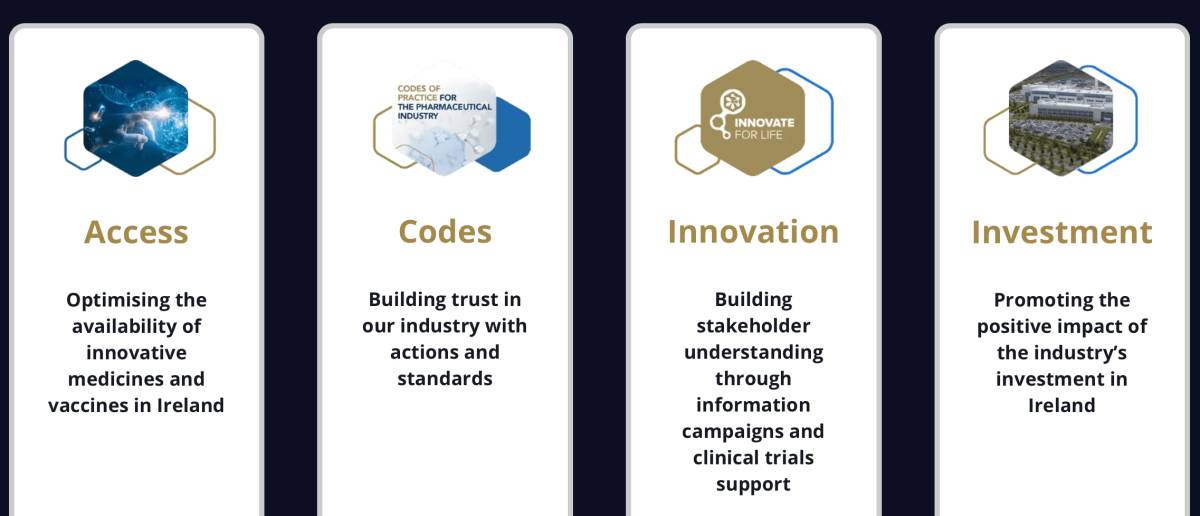
The Irish Pharmaceutical Healthcare Association (IPHA) has said that patients in Ireland could get access to new medicines a year earlier, if there were reforms here.

The new Programme for Government said the coalition is committed to ensuring that patients have access to news medicines as quickly as possible.

The IPHA has said it is clear that the system for covering new medicines needs to be funded, governed and designed to operate within the legal 180-days timeline set by the Oireachtas.

Meanwhile, a new four-year Framework Agreement on the pricing and supply of medicines between the State and IPHA is due to be negotiated this year.

https://www.rte.ie/news/2025/0226/1498941-ipha-medicines/

Interesting discussion on the “human cost” of delayed approval….

“System not very transparent”

“Strategically a commercial process”

“Difficult conversations on a daily basis”

https://www.rte.ie/radio/radio1/today-with-claire-byrne/2025/0226/1499089-today-with-claire-byrne-wednesday-26-february-2025//

Are physicians losing public trust?

“It’s become clear to me that we as physicians and a healthcare system have lost the trust of the public, and I think it’s time we talk openly about what we as a medical community can do to gain it back.”

What physicians say publicly to and about their patients is important to preserving the public’s need to maintain that trust.

If doctors truly don’t want their patients to seek health information online, they need to do this: create a prescription pad-like  list of credible online health resource links that they will feel comfortable sharing with every patient.

“Patients have every right to be suspicious of a system so dysfunctional as to deny them care in the name of profit. Look at the behavior of drug manufacturers, pharmacy benefit managers, insurance companies, and hospitals — they all prioritize profits over patient care.”

CANCER TEST DESIGNED BY NEWCASTLE SCIENTISTS COULD IMPROVE SURVIVAL RATES

Lynch syndrome significantly increases a person’s risk of developing certain types of cancer, in particular colorectal which is the fourth most common cancer in the UK.

Screening for Lynch syndrome means that if a person tests positive, a DNA test can then be offered to their relatives to see who else has the condition, so that they can then be put on a regular programme of checks.

The test can also guide the best treatment to provide, as it can indicate whether a person will respond to immunotherapy, a new and effective approach to cancer treatment with increased accuracy.

Newcastle upon Tyne Hospitals NHS Foundation Trust is leading the rollout of the project and the test is being evaluated for patients at the Royal Marsden Hospital, Manchester University NHS Foundation Trust, Birmingham NHS Foundation Trust and Bristol NHS Foundation Trust.